




By Charlie Walton -
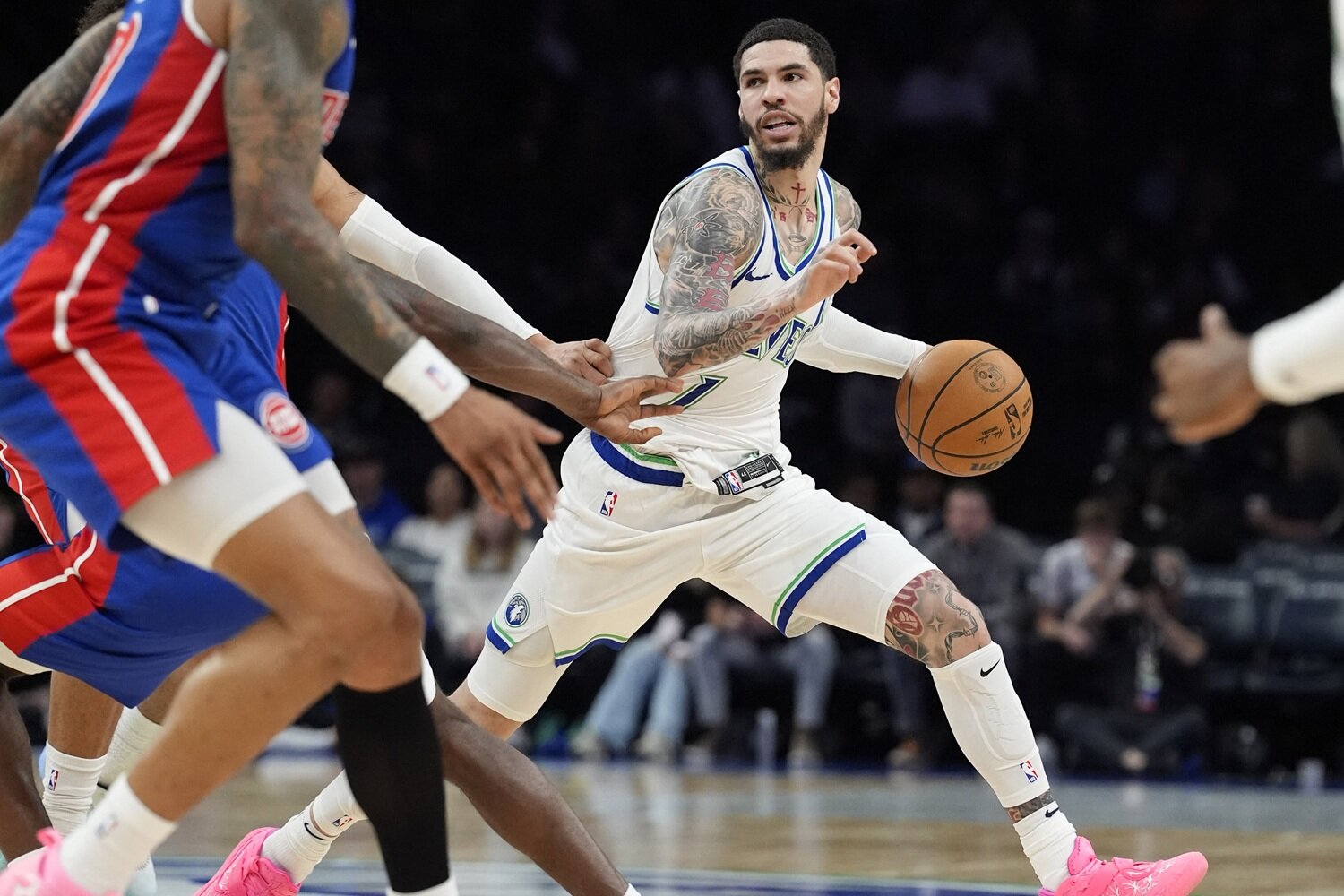
Jonathan Kuminga’s athletic, highlight-reel offense has Minnesota Timberwolves fans giddy for their first opportunity to see LaMelo Ball toss him a pass above the rim for an aggressive slam finish.
https://twitter.com/TheHoopCentral/status/2049287195375329325?s=20
Kuminga’s rim-crashing offense adds a dynamic to Minnesota’s offense that can accentuate its preexisting talent. Internally, however, the Wolves are more excited about what Kuminga adds to the other end of the floor.
On the Flagrant Howls podcast last week, Matt Lloyd, Minnesota’s general manager, raved about Kuminga’s defense.
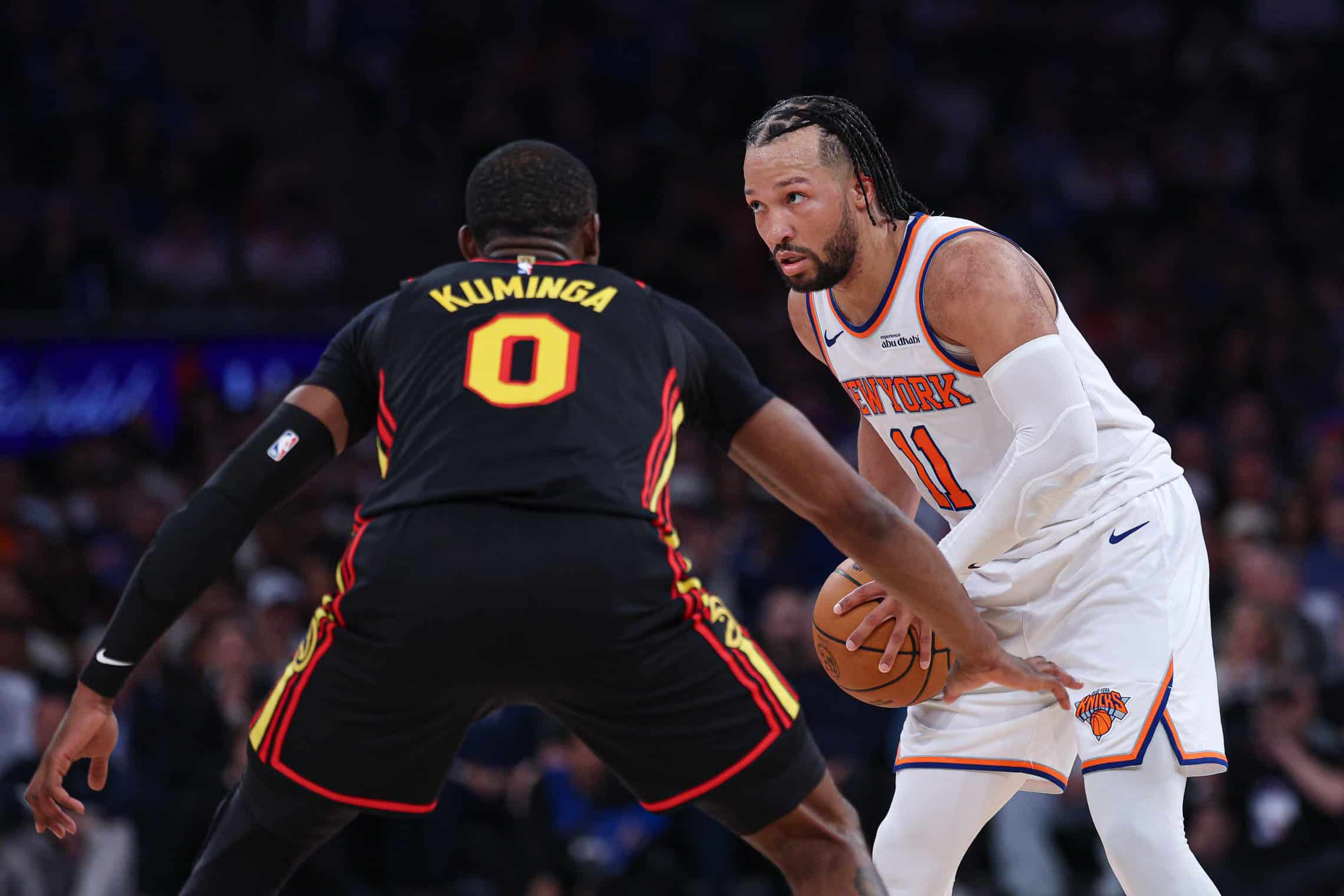
“Last year, [Atlanta] played New York in the playoffs, and he was guarding across multiple positions,” Lloyd said. “He was guarding Jalen Brunson, he was guarding KAT, and he was guarding O.G. Anunoby. And that is the most enticing piece to add to our existing team because it kind of locks the starting lineup together.”
To legitimately compete for a championship this season, the Wolves will need Kuminga’s defense to be consistent much more than they will need his offense to generate highlight-reel plays consistently.
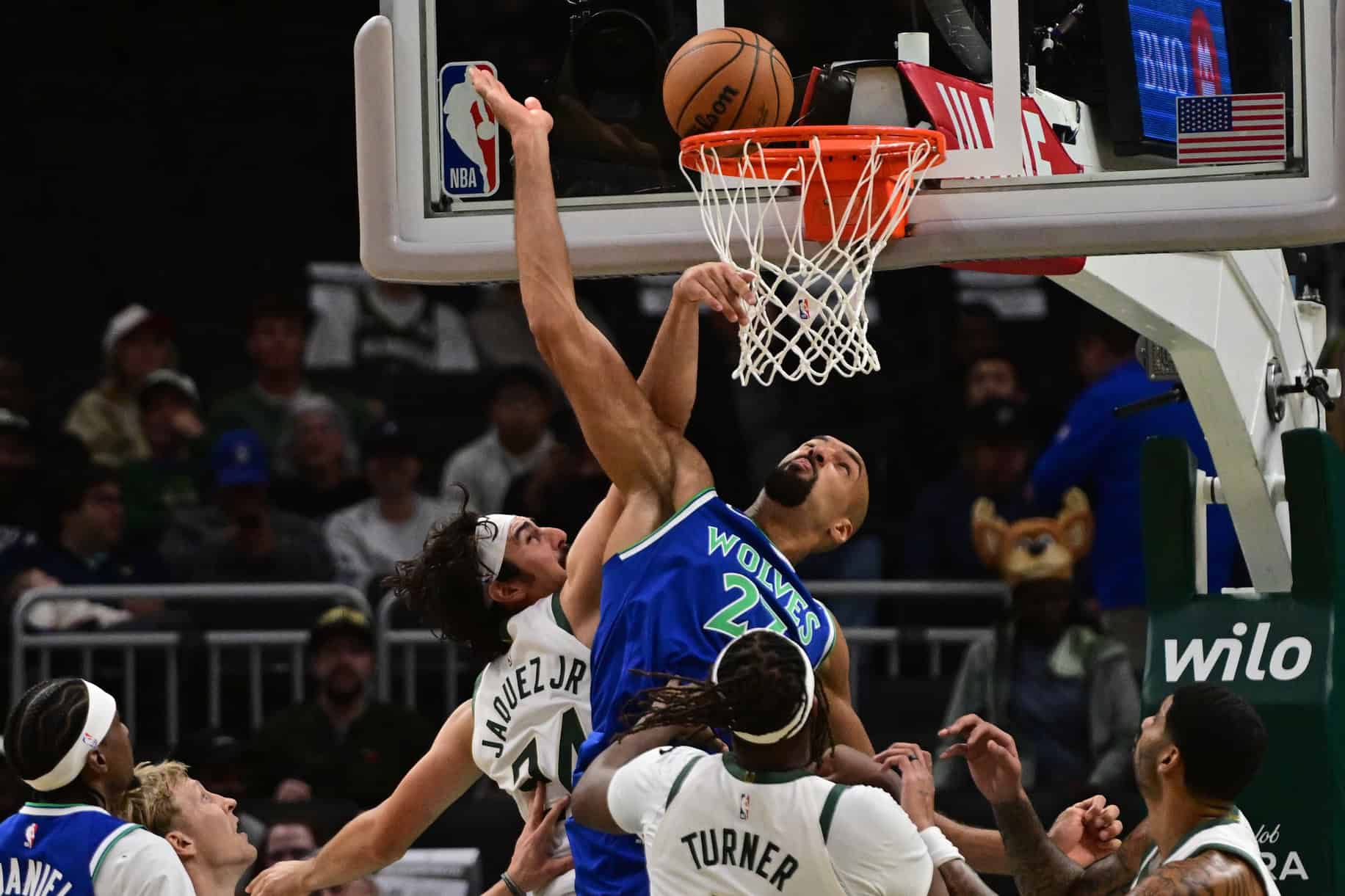
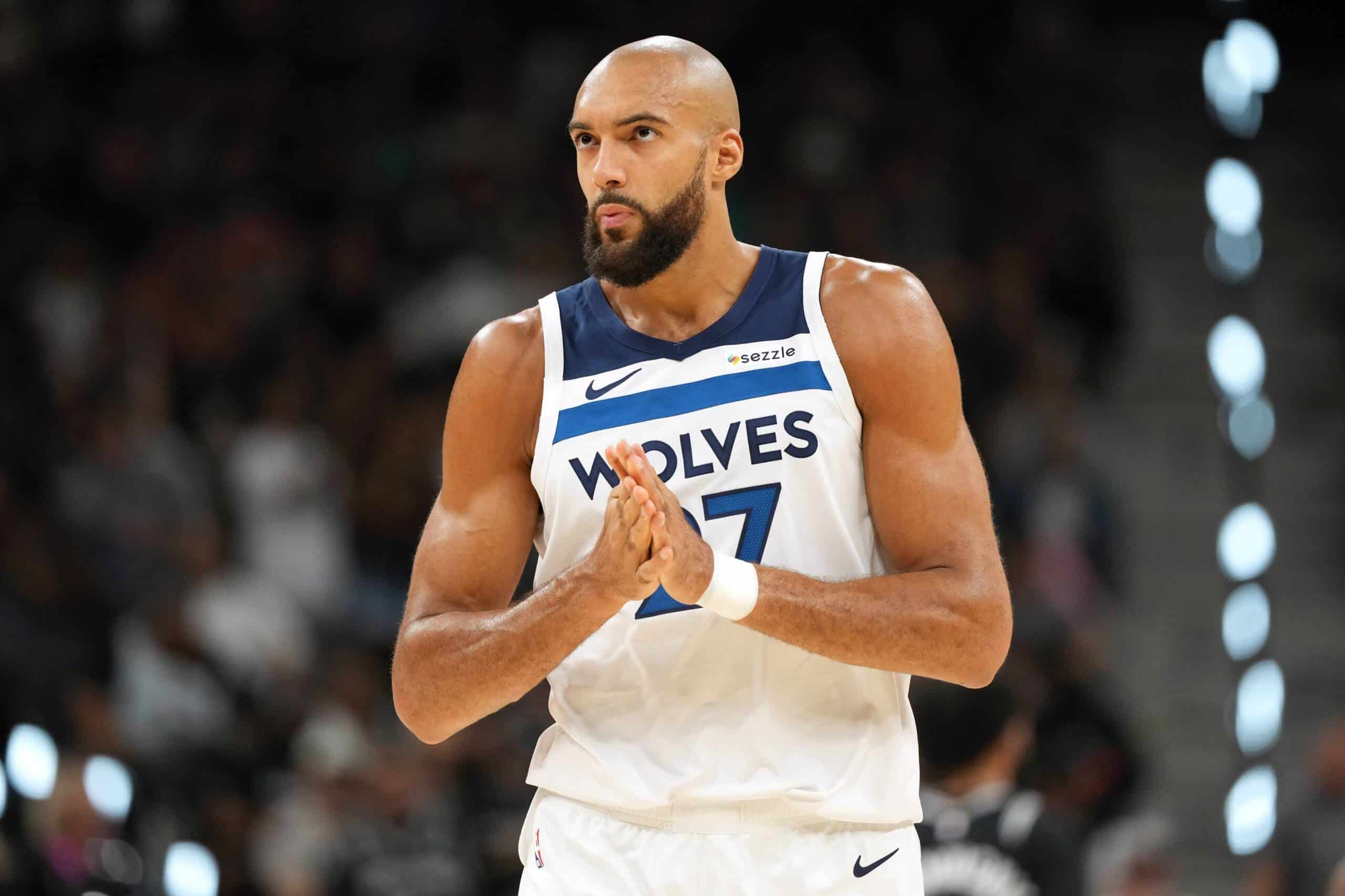
With that in mind, what type of defender is Minnesota getting in Kuminga, the former lottery pick who will be playing for his third team in two years? How likely is it that he can legitimately join Rudy Gobert and Jaden McDaniels as Minnesota’s defensive anchors? I analyzed his film with the Atlanta Hawks last season.
Here are my takeaways:
Multi-Positional, Wing Defender
Kuminga’s best defensive attribute is his ability to take almost any matchup on the perimeter and defend adequately. He has the foot speed to stay attached to most point guards and wings. He has the physicality and length to bother those players as they make moves to score.
[video width="1920" height="1080" mp4="https://zonecoverage.com/wp-content/uploads/2026/09/On-ball-Defense-vs-Brown.mp4"][/video]
When guarding in one-on-one situations, Kuminga is almost always bought in and defending at a high level. He guards with such aggression that it visibly bothers the opposition. Kuminga looks like he can be a real pain to play against, and that is a great thing for perimeter defenders. We know opposing players — Devin Booker in particular — think the same of McDaniels and his relentless on-ball defense.
[video width="1920" height="1080" mp4="https://zonecoverage.com/wp-content/uploads/2026/09/On-Ball-vs-Brunson.mp4"][/video]
Kuminga’s versatile defense is valuable when guarding in switching situations. He’s not particularly great at wiggling around screens, which makes sense for a player his size. Still, he makes up for the ground he loses in those situations well with his raw speed.
Again, Kuminga stays attached well. He won’t always stay in front of the player he is guarding, but he stays attached and won’t get beat. That allows Kuminga to leverage his physical tools (length, side-to-side speed, and bouncy athleticism) to consistently be a disruption defensively and an anchor for his team on that side of the ball.
That is, only when he truly buys into doing so elsewhere.
Off-ball Defense
Frequently in Atlanta, Kuminga defended away from the play, with Nickeil Alexander-Walker and Dyson Daniels taking on many of the Hawks’ on-ball coverages. In Minnesota, with McDaniels still likely to be Chris Finch’s preferred point-of-attack defender while LaMelo Ball and Anthony Edwards flank him on the perimeter, Kuminga will likely defend many possessions where he is away from the play with the Wolves.
[video width="1920" height="1080" mp4="https://zonecoverage.com/wp-content/uploads/2026/09/Off-Ball-Steal.mp4"][/video]
Here, Kuminga reads this kickout pass well, intercepts the ball, and races ahead to hit CJ McCollum for a three. The best part of Kuminga’s off-ball defense is that he routinely shows an understanding of how and when to fill space and collapse against rim attacks.
[video width="1920" height="1080" mp4="https://zonecoverage.com/wp-content/uploads/2026/09/Off-Ball-Steal-x2.mp4"][/video]
He remains engaged and is a willing helper, especially when filling gaps between primary defenders. He reads passes well and breaks them up consistently. But the opponent can catch Kuminga ball-watching — much like they do Edwards — and exploit that either by a move to score or crashing the glass for an offensive rebound.
Kuminga floating around while defending away from the ball to collapse the coverage or apply pressure to the ball handler is a good thing. He’s also very good at it. But at the same time, the Wolves will need Kuminga to show his overall defensive commitment this season by reducing the number of times a single opponent pass puts him out of position because he was ball-watching.
Converts stops into points
Kuminga’s athletic offense often ties directly into his defense. His ability to get out and run in transition makes Kuminga a threat to quickly turn missed shots and turnovers into points.
[video width="1920" height="1080" mp4="https://zonecoverage.com/wp-content/uploads/2026/09/Transtion-x1.mp4"][/video]
Here, Kuminga beats out Sharife Cooper, a 6’0” speedy point guard, in the open floor for a forceful dunk, which Cooper doesn’t try to stop.
The Wolves want to play fast this year and believe they are well-suited to do so, even with Rudy Gobert as their starting center. They believe his possession-closing abilities on the glass will trigger fast-break opportunities for Ball, one of the NBA’s best assisting guards, to quarterback.
And in the backfield of those opportunities, Kuminga will be running routes. He has the speed and willingness to take off in the open court to beat any defender in a foot race, paired with explosive above-the-rim athleticism that together makes him a lethal fast-break weapon.
[video width="1920" height="1080" mp4="https://zonecoverage.com/wp-content/uploads/2026/09/Steal-and-Dunk.mp4"][/video]
[video width="1920" height="1080" mp4="https://zonecoverage.com/wp-content/uploads/2026/09/0907.mp4"][/video]
Last season, the Wolves ranked 11th in fast-break points with 16 per game. Being a faster-paced team doesn’t necessarily equate to more wins. Five of the teams that scored more fast-break points last season than the Wolves missed the playoffs. However, consistent effectiveness in transition creates easier offense, which will be essential for the Wolves as they stave off defenses loading up on Edwards and Ball.
Kuminga’s relentless speed will help greatly in that mission.
He isn’t Julius Randle
Kuminga is 6’7” and weighs 225 lbs. He is quick-footed and can apply pressure defending at the point of attack. But he isn’t the rough-and-tumble Julius Randle, who the Wolves traded to the Brooklyn Nets this summer.
Randle isn’t always a defensive stopper. Many fans will probably remember his defense as lacking consistent commitment and dedication.
However, Randle leverages his 6’9”, 250 lbs. frame well when he defends one-on-one. For all the inconsistency that came with Randle’s two years in Minnesota, his ability to match strong, physical forwards and centers away from the rim was a dependable part of Chris Finch’s defense.
And this season, the Wolves — even after bringing in Kuminga — will miss that part of Randle’s size in certain matchups.
Minnesota’s new power forward will not be able to bully Giannis Antetokounmpo, Nikola Jokic, or Paolo Banchero with his strength. He will not be able to provide post-up defense against bigger players in the mid-range, as Randle did so well over the last two years.
https://twitter.com/WolvesClips/status/2037024995126173705?s=20
The Wolves will miss that in certain matchups. But far more often than they will face off against strong power forwards, the Wolves will play against quick teams with speed in the backcourt and overall wing depth. That’s where the addition of Kuminga’s versatile defense will shine through.
Minnesota is now equipped with a bevy of length within its starting lineup. Ball is not known for his defense but is 6’7”. Edwards is 6’4”. McDaniels is 6’10”, at least. Kuminga is 6’7”. And Gobert is 7’1”. That collective length, combined with a greater emphasis on playing faster, will allow the Wolves to make up for the size they lost from Randle on defense.
Matt Lloyd is right. Kuminga and his defense do lock Minnesota’s starting lineup together. But Kuminga isn’t joining the Wolves as this lock-down, ultra-consistent defender. He has the tools to be that defender. Still, Kuminga must prove he can commit to excelling in that role, both as an on- and off-ball defender.
Whether he has a long-term future with the Wolves and their success with him on the roster largely hinges on Kuminga’s versatile, lock-down defense appearing more consistently than it has been in the past.
Think you could write a story like this? Hockey Wilderness wants you to develop your voice, find an audience, and we'll pay you to do it. Just fill out this form.

Recommended Comments
There are no comments to display.