




By Charlie Walton -
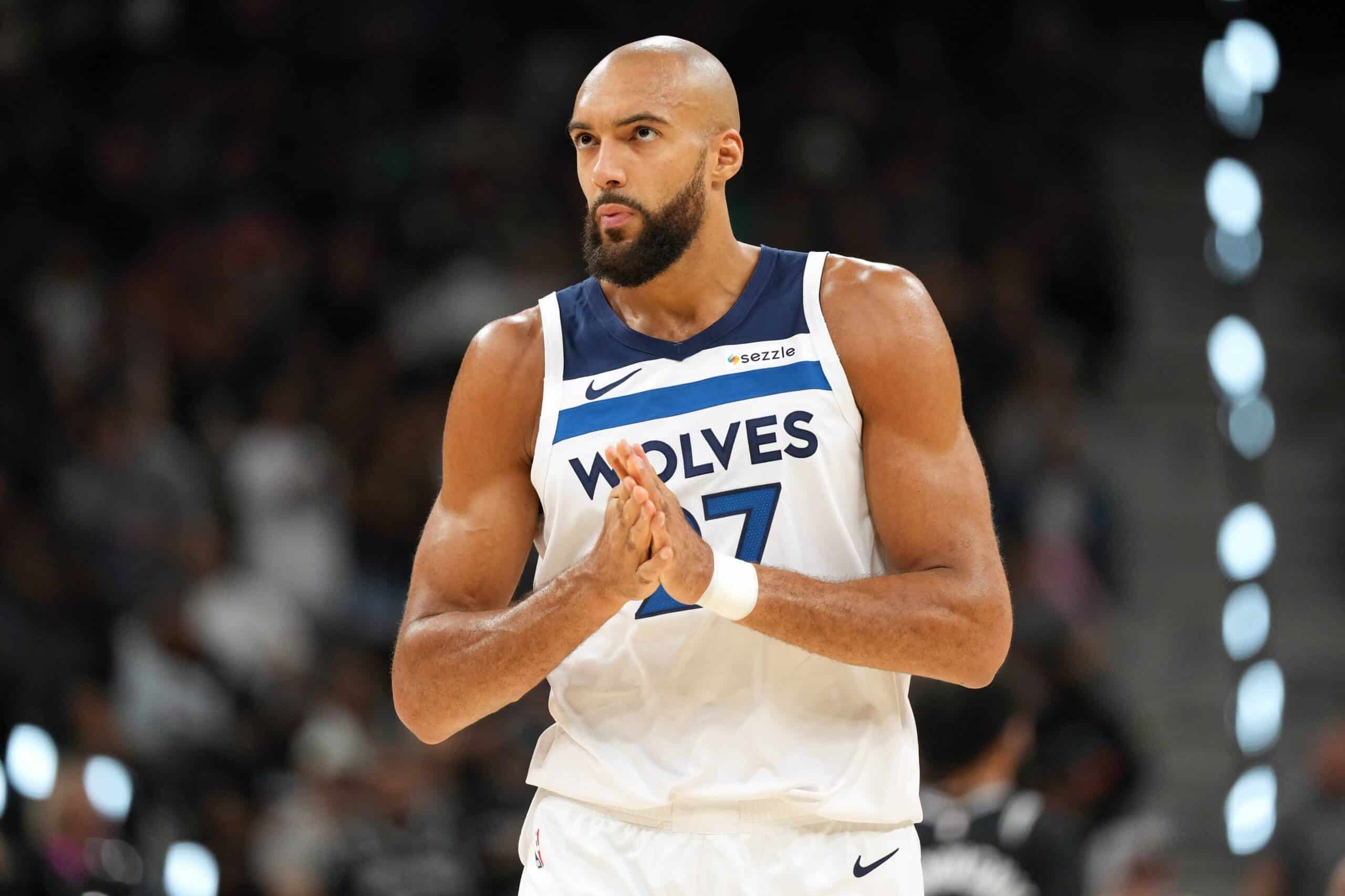
The Minnesota Timberwolves recently landed in Paris, France, for a team-wide excursion to visit Rudy Gobert.
The entire team, aside from Donte DiVincenzo, who is rehabbing from his Achilles injury, and Bones Hyland, made the trip across the pond and posed in front of the Eiffel Tower for a photo op.
https://twitter.com/CharlieWaltonMN/status/2086558438591463722?s=20
Anthony Edwards and LaMelo Ball reportedly led efforts to bring their teammates to France, indicating that they understand Gobert’s importance to Minnesota’s championship aspirations this season. Edwards knows this especially well because he’s seen firsthand the struggles the Timberwolves have endured as they’ve tried to integrate Gobert into their offense.
Chris Finch believes his team has still yet to fully extract Gobert’s talents offensively, and he’s hoping that Ball will help them do that. But a sizable offensive leap this season for Gobert is not necessary for him to chalk it up as a success.
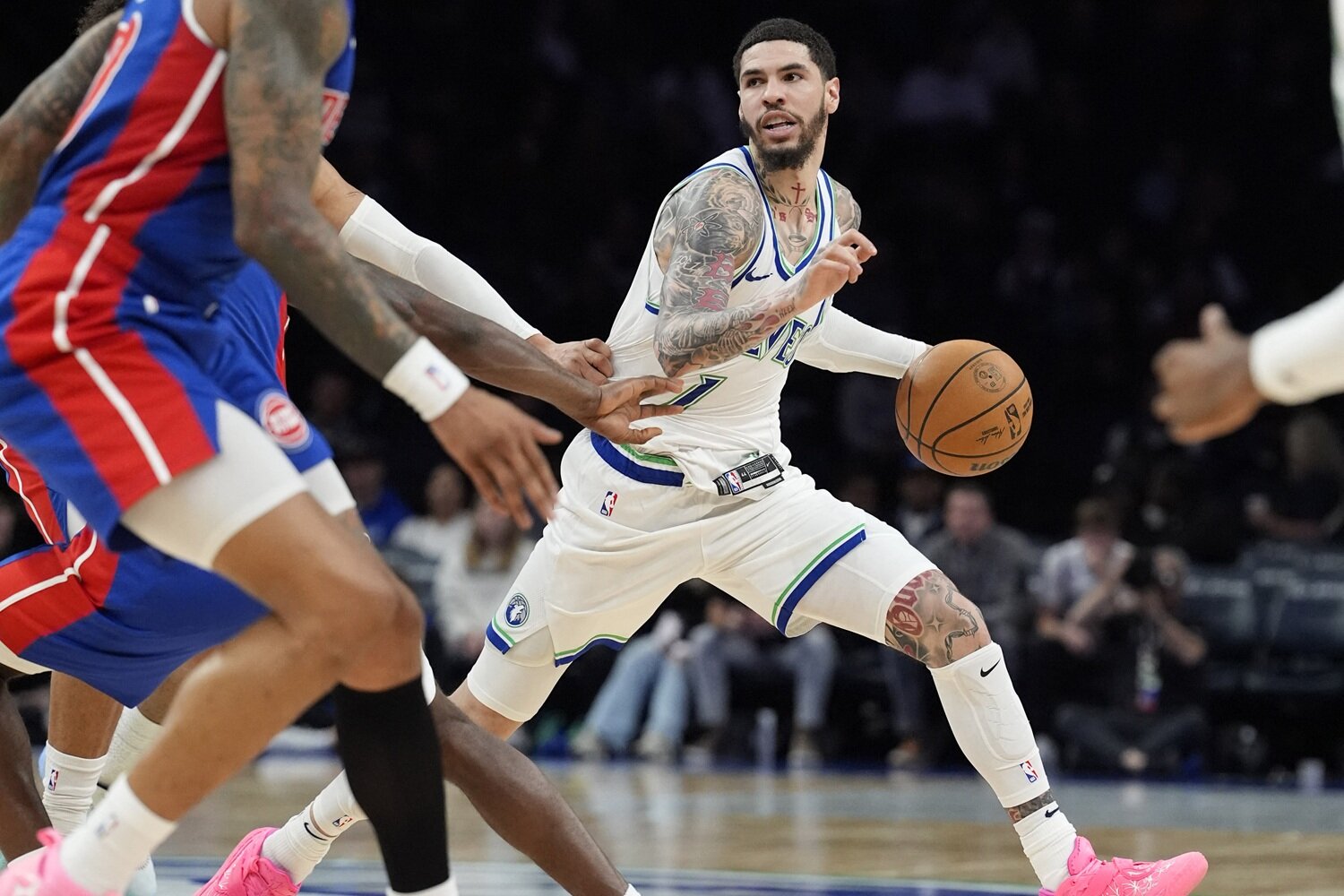
“LaMelo has never played with a guy like Rudy,” Finch said on the Road Trippin’ Show during the Summer League. “We’ve never really been able to unlock Rudy as a lob threat. We just haven’t had that type of passer.”
Ball averaged 7.1 assists last season in Charlotte, the ninth most in the NBA. He operated as the hub of Charlotte’s offense, with passing talent that featured a slew of no-look passes and last-second lobs. Those types of passes can create offense out of nowhere, but Ball’s teammates always have to be ready for the ball to swing their way. That’s especially true for Gobert, who struggles with passes when he doesn’t see them coming.
Gobert is coming off a season in which he averaged 6.5 shot attempts per game, the fewest since his third season in the NBA. Gobert led the league in field goal percentage at 68.2%. Still, he was certainly impacted by Finch’s decision to remove Mike Conley from the starting lineup and transition Edwards into being Minnesota’s de facto point guard.
With Ball setting up Minnesota’s offense, the best-case scenario is that he can unlock Gobert in a way we haven’t seen before with the Wolves, assuming Ball can figure out when and where Gobert likes the ball passed to him. Ball’s teammates typically see a noticeable uptick in offensive production when he is on the floor, so maybe Gobert can return to a level similar to the one he was on in his final season in Utah, where he averaged 15.6 points on 7.7 attempts.
However, that isn’t likely to happen at this stage in Gobert’s career. He has battled through knee injuries, and the Wolves have created an offensive power balance around him that features three primary scorers in Ball, Edwards, and Jaden McDaniels capable of scoring 20+.
But the Wolves don’t need Gobert to become a version of himself this season that he has yet to reach in Minnesota. That also doesn’t need to happen for this to be a successful year for Gobert.
A successful season for Gobert means the Wolves figure out how to eliminate the games in which he is a non-factor offensively. The games where he takes fewer than six shot attempts (that happened 29 times last year).
The Wolves don’t need Gobert to give them 15 points per game, but they need to keep him consistently involved in the offense. Ball and Minnesota’s coaching staff must find ways to keep Gobert a threat out of the pick-and-roll against any opponent to ensure their offense with him on the floor remains as dynamic as possible.
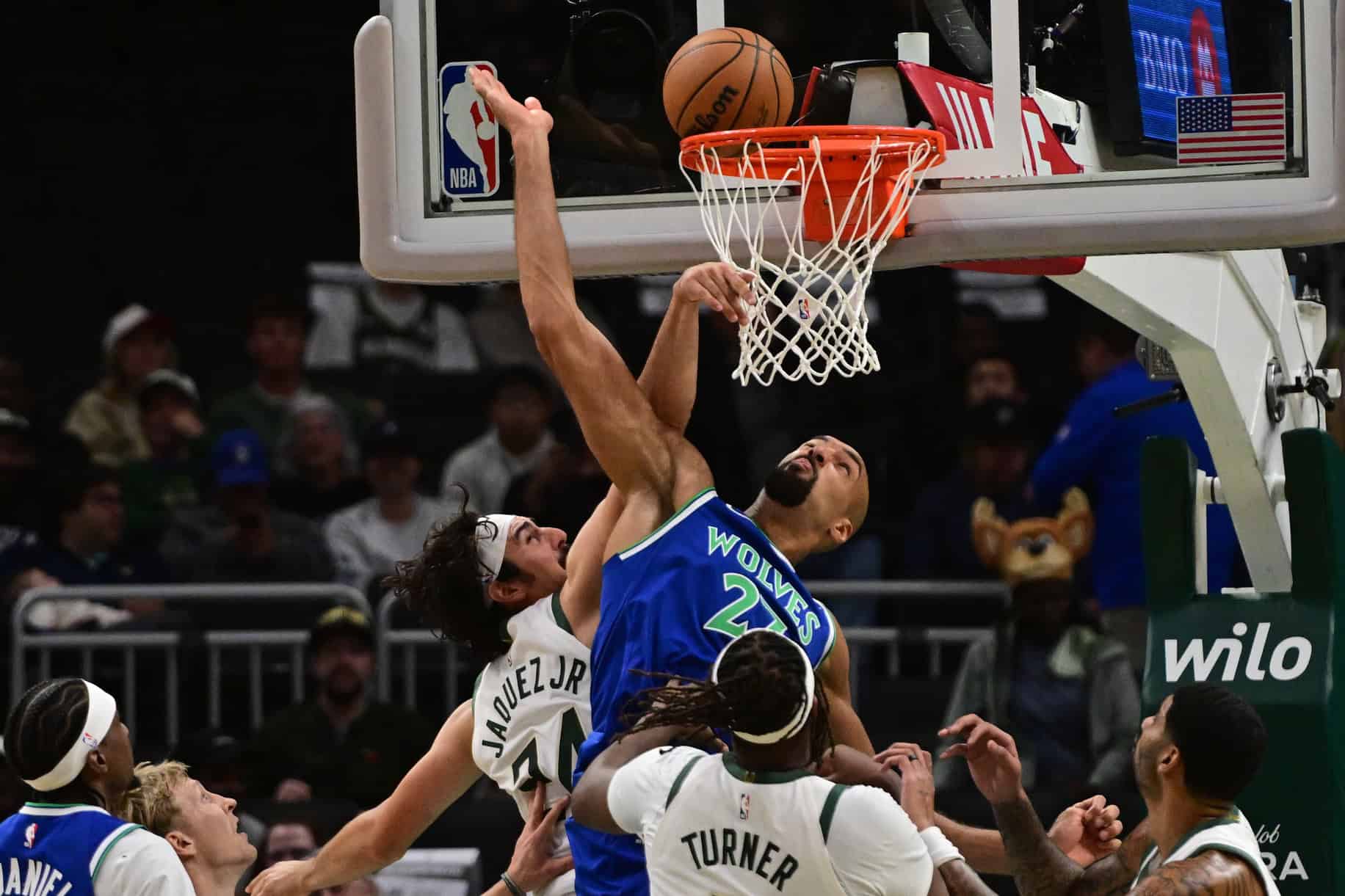
Because when the ball finds Gobert, and he converts lobs and and-one finishes that ignite a roar from the crowd, he jolts back on defense with a level of energy that tunes up his already Hall of Fame-level rim protection, which will be essential for a Wolves team lacking size.
https://twitter.com/Timberwolves/status/2053887622590730287?s=20
A successful season for Gobert means he doesn’t have to cover up as much on defense as he had to last year. Gobert remained the lock-down rim protector that he has always been in 2025-26, earning an All-Defensive First Team selection. However, Minnesota’s paint defense had stretches where it greatly struggled, even with Gobert on the floor. When the Wolves struggled to guard the rim, it was due to poor point-of-attack defense on the perimeter, which triggered decisive rim attacks by the opponent that put Gobert at a disadvantage.
Around the defensive prowess of Jaden McDaniels, the Wolves have enough talent and size between Ball, Edwards, and even Ayo Dosunmu within their starting lineup to improve their point-of-attack defense, but only if they can get the buy-in necessary from those players to do so. And it will be essential that they do because of Minnesota’s lack of size this season, which they will likely feel the most on the glass.
Gobert is an elite rebounder, and that should hold true this season. But when he has to cover up for his teammates’ mistakes on defense, Gobert then moves out of position at the rim to snatch rebounds. Successful team defense is always connected, and the Wolves improving their point-of-attack defense will help mitigate their rebounding woes.
A successful season for Gobert largely hinges on things around him going right, which has been true since he arrived in Minnesota. The Wolves are still trying to win a championship with Gobert as their center. And to contend for one again this year, they don’t need him to reach an unforeseen level on offense. Something like that happening — even with Ball at the controls — is pretty unlikely at this stage in Gobert’s career.
Ultimately, the Wolves need Gobert consistently engaged, which would have positive effects elsewhere. Success for Gobert and the Timberwolves overall is much less about exponential growth and much more about consistent dependability. The Wolves need that to happen this year, and their trip to Paris indicates they are committed to making it a successful season for Gobert.
Think you could write a story like this? Hockey Wilderness wants you to develop your voice, find an audience, and we'll pay you to do it. Just fill out this form.

Recommended Comments
There are no comments to display.