




By Charlie Walton -
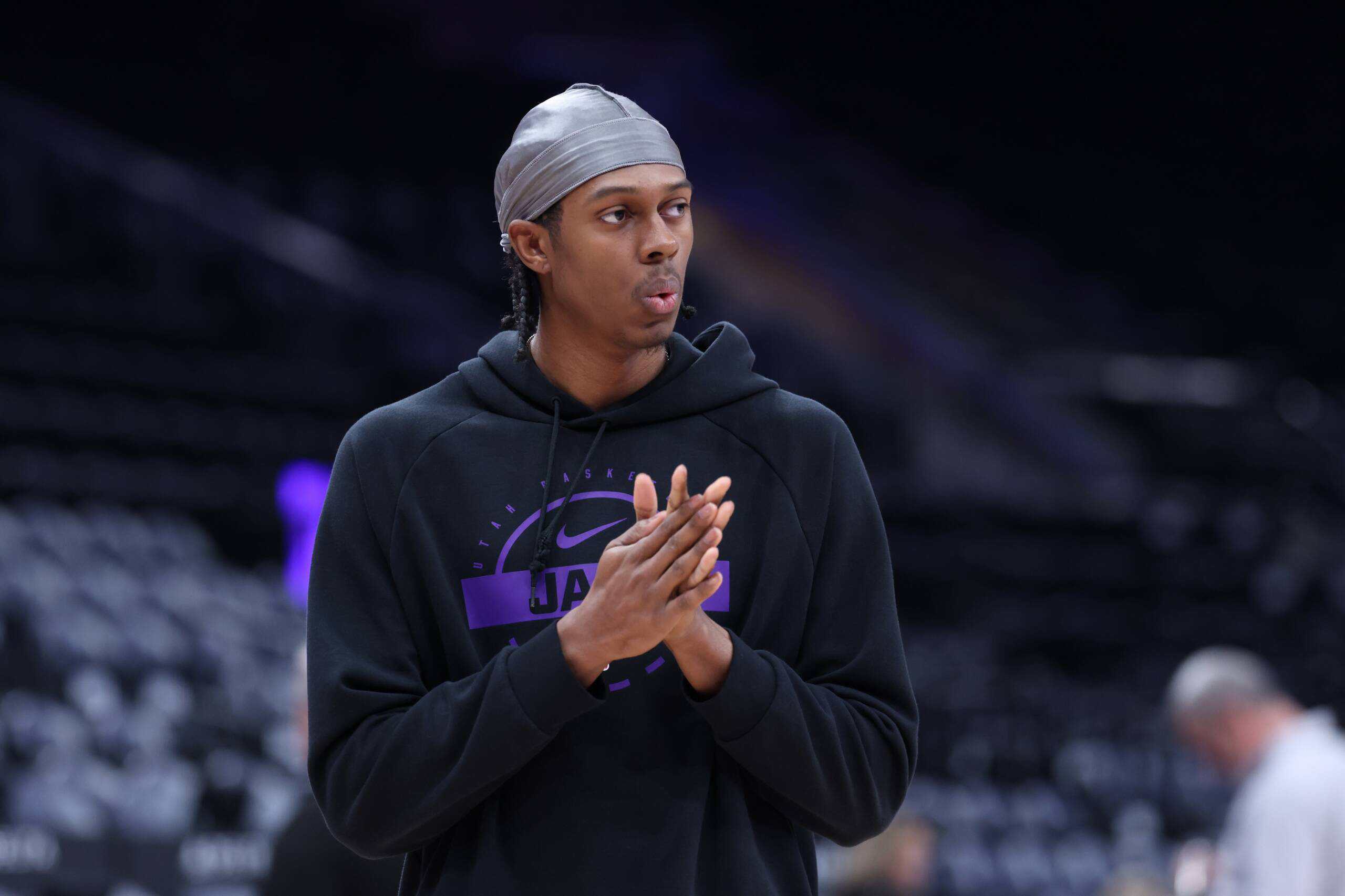
Late Friday night, the Minnesota Timberwolves agreed to a trade sending Josh Green and cash to the Utah Jazz for Cody Williams and John Konchar.
The trade comes on the heels of the Timberwolves agreeing to a two-year, $12.4 million contract with Jonathan Kuminga. But before the Wolves could officially sign the 23-year-old forward, they needed to free up enough cap space to fit his $6 million salary under the second apron threshold, which they cannot surpass this season.
By offloading Green’s $14.7 million expiring deal for Konchar — the contract of whom Minnesota will waive and stretch over the next three seasons — and Cody Williams, the Wolves are now able to sign Kuminga and have enough cap space left over to sign one more player to a veteran’s minimum deal.
Their primary intention in trading Green was to free up cap space, not the return he could provide. But what are the Wolves getting in Williams? And how high are his chances of carving out a role in Minnesota?
https://twitter.com/Timberwolves/status/2093863077544337718?s=20
First of all, the Wolves are getting the tenth overall pick from 2024. Williams played one year at the University of Colorado, where he averaged 11.9 points and three rebounds on 55.2% from the floor (8.1 attempts) and 41.5% from deep (1.7 attempts) over 24 games as a freshman. Utah used a lottery pick on Williams for his athletic offensive capabilities and versatile defensive skills, packaged into a 6’8” frame with a 7’2” wingspan.
He drew comparisons to Lamar Odom and Brandon Ingram coming out of college. But Williams never developed into that player — or anywhere close to it — after two years in Utah. Now he’s in a position that is not typically a good sign for high draft picks: On a new team before their rookie contract expires.
Williams, 21, is the younger brother of Oklahoma City Thunder star Jaylen Williams, who is already looking forward to seeing his brother during the Thunder’s Christmas Day game this season in Minnesota. However, given Minnesota’s current depth chart, it is tough to see the Williams brothers playing against each other on Christmas.
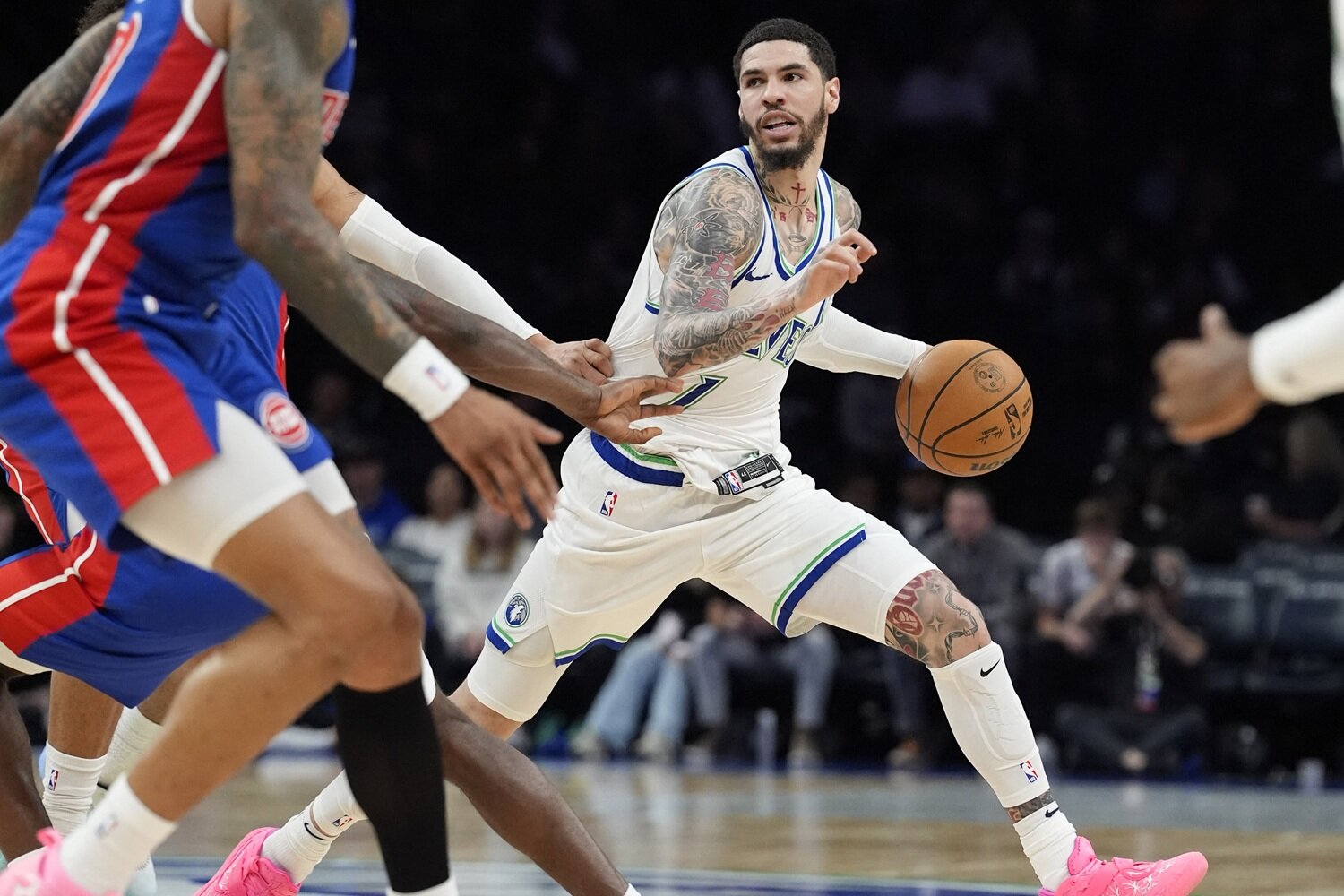
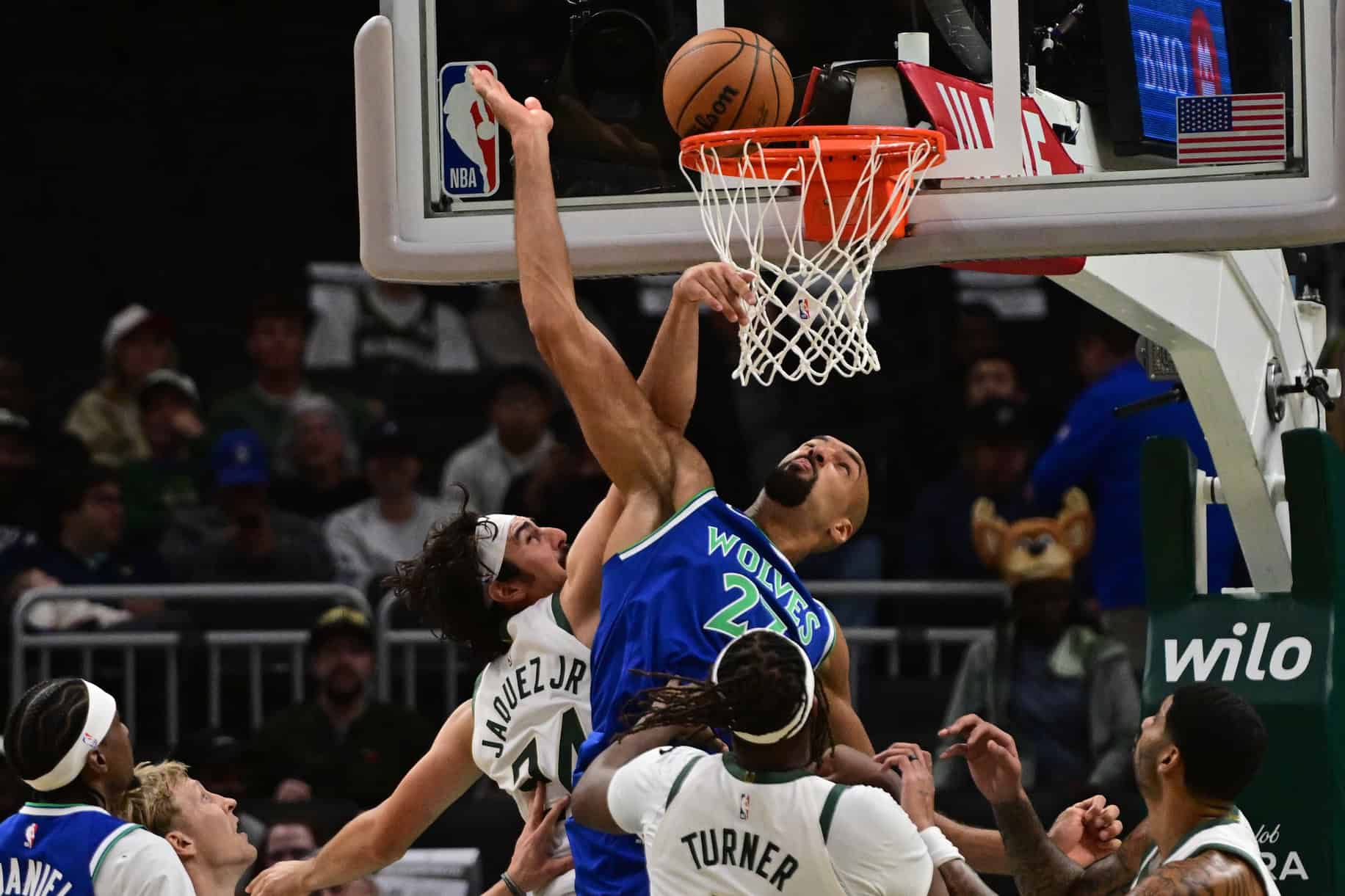
The Wolves have a depth chart loaded with wings and combo forwards entering this season. Jaden McDaniels, Jonathan Kuminga, Ayo Dosunmu, and Terrence Shannon Jr. are locks to be in Chris Finch’s rotation. Bones Hyland, Jaylen Clark, and Trey Lyles will likely have a leg up over Williams for consistent playing time. However, the preseason will be a great opportunity for Williams to prove he can give Finch winning minutes by meeting his demands of all his young players.
Kato Parina covers the Jazz for SB Nation’s SLC Dunk and is a basketball mind that I trust. He said that he believed Williams had a decent chance at cracking Utah’s rotation this season because of his defense.
“He’s got the tools to become a POA defender,” Parina said via a DM on Williams. “He can hold his own from 1-4 pretty easily. His closing speed also allows him to heavily contest jumpers even if he initially gives up separation. Off-ball, he can make quick reads on low-man rotations and recover without getting lost.”
What held Cody Williams back in Utah, and a big reason why they traded him instead of extending him past his rookie contract, was his offense. In 117 games over two seasons in Utah, Williams averaged seven points on 41.9% from the floor (6.5 attempts) and 23.7% from deep (2.3 attempts).
Last season, he improved from his rookie year, but the bar for doing so was very low — much lower than it should be for a lottery pick playing on a losing team.
| SEASON | GAMES | MINS | 2PA | 2P% | 3PA | 3P% | AST | REB | PTS |
| 24-25 | 50 | 21.2 | 2.4 | 39.3% | 2.7 | 25.9% | 1.2 | 2.3 | 4.6 |
| 25-26 | 67 | 24.3 | 5.6 | 55.6% | 2.0 | 21.4% | 2.0 | 3.0 | 8.8 |
Over his final 20 games last season — with the Jazz in full-on tank mode — Williams averaged 16 points per game, 4.6 rebounds, and 4.3 assists on 54.1% on two-pointers (10.4 attempts) and 20.7% on threes (2.9 attempts) while starting in every one of those games and averaging 34.8 minutes.
That stretch included his NBA career-high in points on March 15 against the Sacramento Kings, when he scored 34 points on 12 of 20 from the floor (60%) and 3 of 7 from deep (42.9%) in 38 minutes.
https://youtu.be/Ts18qADW09g?si=FzHrm9N6Fi3Thb3H
The consistent, high-volume opportunity that Utah’s tanking efforts granted Williams the chance to prove that he still has upside offensively. However, he enters an entirely different situation in Minnesota.
As things stand, it’s hard for me to see Williams breaking into Finch’s rotation, even with the offensive output he showed at the end of last season. His most likely path to meaningful minutes will be in short bursts when the Wolves are injured or in foul trouble and could use his versatile defense.
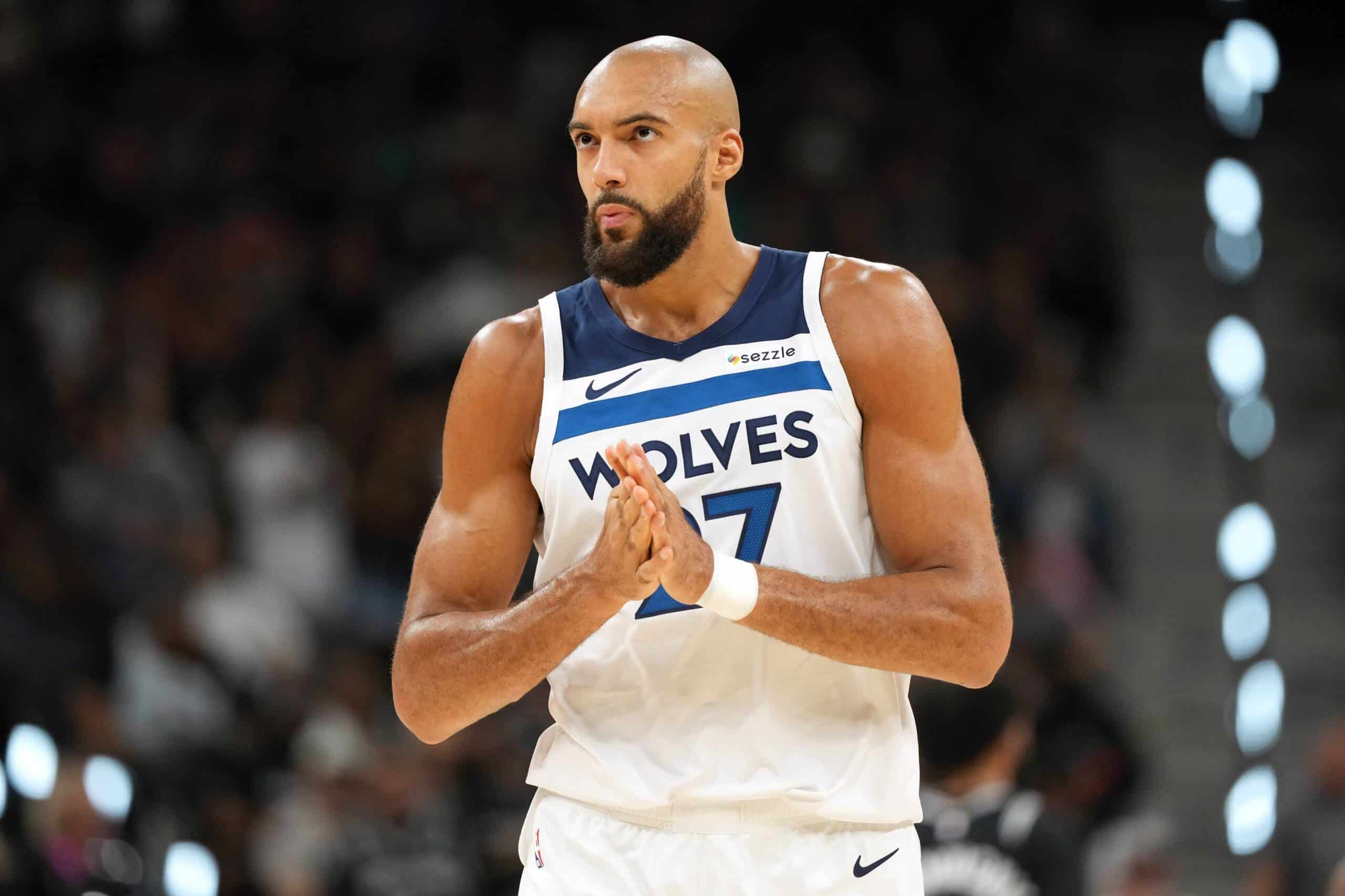
For Williams to expand his role beyond random spot minutes and into a consistent role player, it will be important for him to improve his 3-point shooting so he can survive in an ecosystem around Anthony Edwards, LaMelo Ball, McDaniels, Dosunmu, and Rudy Gobert. But Finch could still leverage Williams positively in certain lineups where spacing is less important, using him as a pick-and-roller and downhill attacker.
Cody Williams has a team option worth $7.7 million in 2027-28, meaning the Timberwolves could opt out of his contract after this season. Buried in a deep depth chart, there’s a real possibility that he never gets a legitimate opportunity in Minnesota. But the former lottery pick still has upside, and the Wolves bringing him in on a short-term flier is a low-risk, high-reward move that could pay off for the team on a random Tuesday in January when players are injured. It could also never pay off. Or maybe Williams shows the Timberwolves enough to keep him around after this season.
Think you could write a story like this? Hockey Wilderness wants you to develop your voice, find an audience, and we'll pay you to do it. Just fill out this form.

Recommended Comments
There are no comments to display.