



By Charlie Walton -
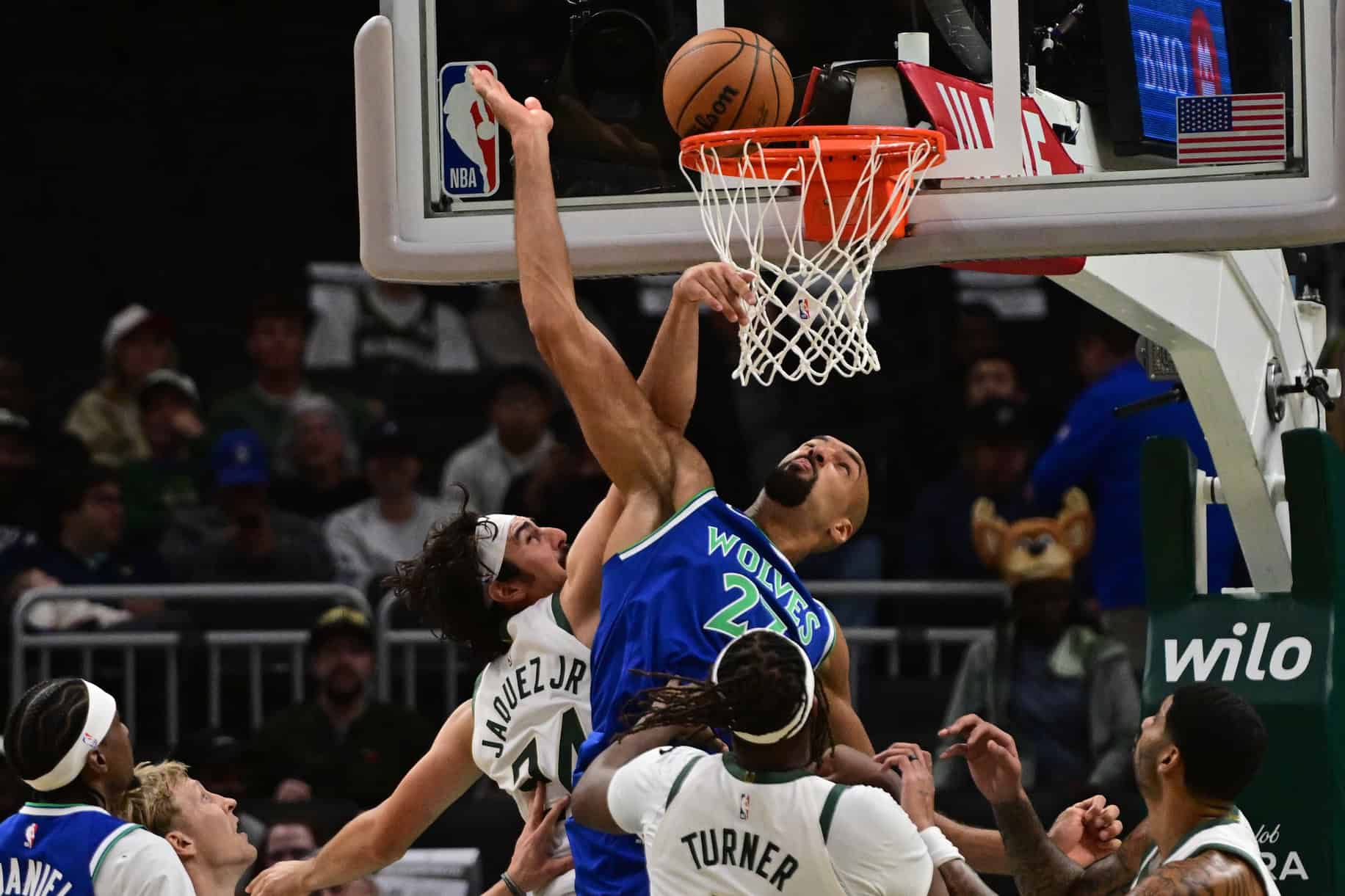
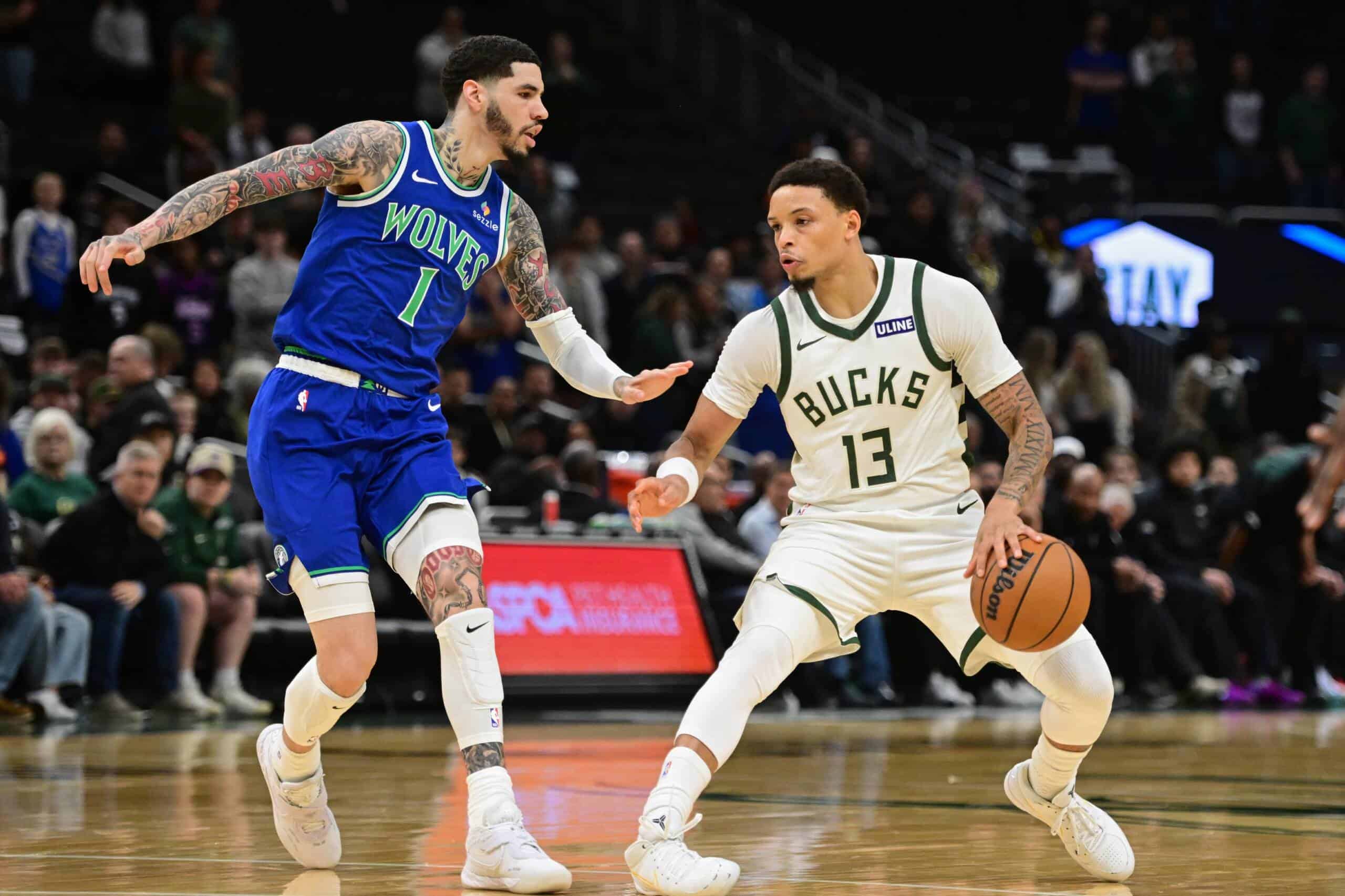
The end is near. These last five months without NBA basketball are almost over. Teams are well into training camp, and the Minnesota Timberwolves opened their six-game preseason schedule against the Milwaukee Bucks last night.
After a summer of change that brought in LaMelo Ball and Jonathan Kuminga, the Wolves may answer some of their off-season questions during the preseason. Still, we will not know exactly who this team is until the regular season begins in late October. With that in mind, I took to Instagram and asked for all your burning questions to compile into my third-annual preseason mailbag.
Let’s get into it.
Are you worried about a slow start? — @gabejamesanderson21
This time last year, the Wolves had the privilege of leaning on preexisting continuity because of a quiet offseason. This year, they don’t, but players have made a concerted effort to make up for it.
They took a team-wide trip to Paris in August, which made players feel a sense of brotherhood. Players arrived at Mayo Clinic Square in downtown Minneapolis four weeks before training camp officially began. The preseason vibes around this team seem uniquely high. Their group chat is blowing up, and they have a fantasy football league.
Because of that, I am much less concerned about the Wolves jumping out of the gates slowly this season, despite a relatively challenging first ten games, which include six road contests and two back-to-back sets:
- @ Miami Heat, Oct. 21
- @ Orlando Magic, Oct. 23
- Vs. Toronto Raptors, Oct. 25
- @ Cleveland Cavaliers, Oct. 26
- Vs. Golden State Warriors, Oct. 28
- Vs. LA Clippers, Oct. 30
- @ San Antonio Spurs, Oct. 31
- Vs. Milwaukee Bucks, Nov. 2
- @ Houston Rockets, Nov. 4
- @ New Orleans Pelicans, Nov. 6
Despite the good vibes, I still foresee the Timberwolves battling through growing pains early on. I think Ball will fit more naturally alongside Anthony Edwards than Rudy Gobert or Julius Randle did early on. Still, there will be a feeling-out process this season that will lead to moments where this new iteration of the Wolves doesn’t look good.
The Wolves will need to persevere through those moments with maturity, especially early in the season. However, I think the togetherness that players are building now will help them when they face adversity in the regular season, which should help stave off a slow start.
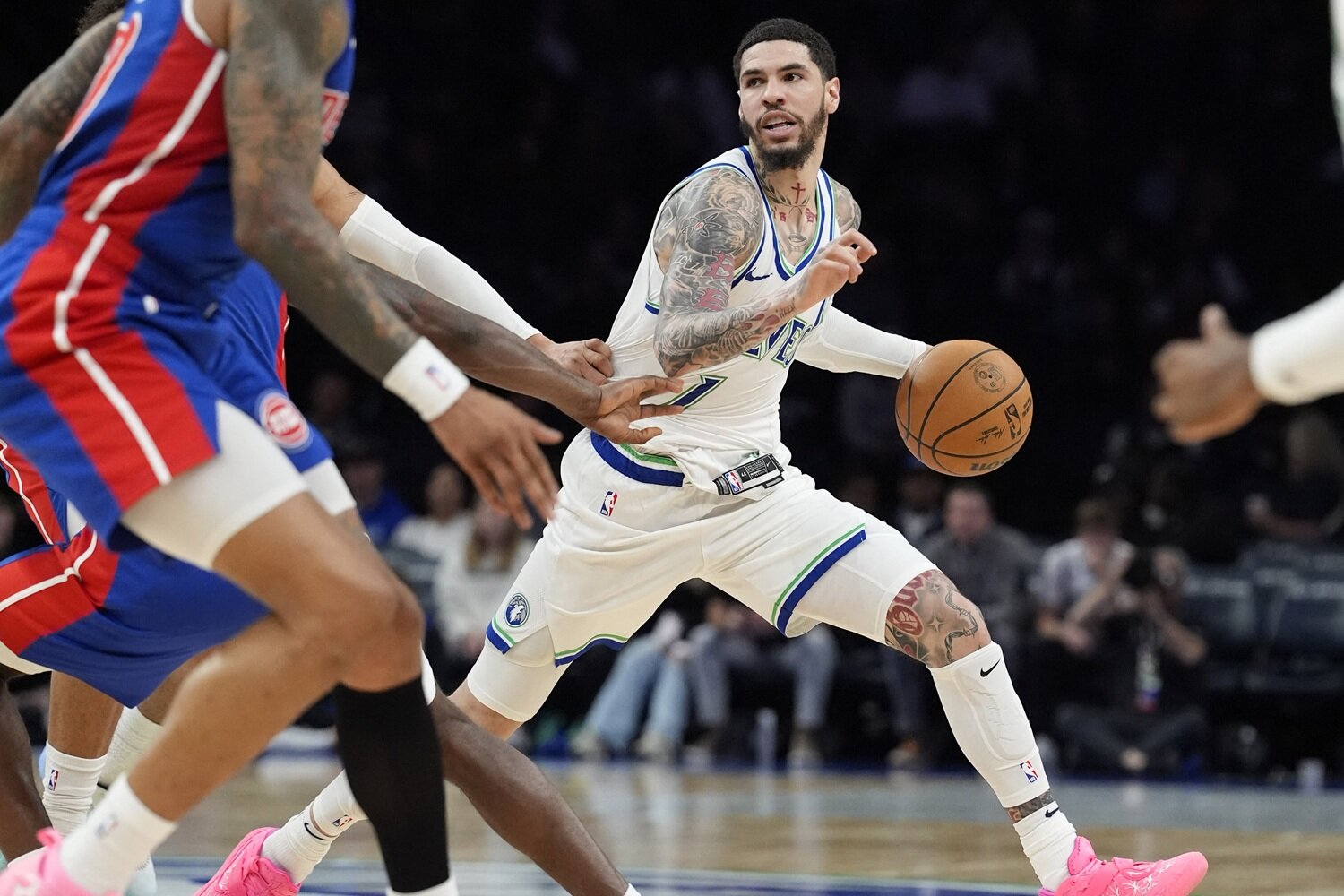
Is there confidence that the Wolves can get defensive buy-in from LaMelo, and will they need to rely on defensive effort off the bench to make up for LaMelo’s lack of defense? — @patrickcipriano
Part of the narrative around Ball before he landed in Minnesota is that he is a subpar defender. While the Wolves see Ball as having room to grow as a defender, they seem far less concerned about his defense than public perception has suggested over his six-year career.
At 6’7”, Ball has the length to be a switchable defender. At the very least, his size prohibits teams from targeting him on offense. But last season, he defended at a level beyond simply not being a liability. He defended on the perimeter with a pretty consistent level of focus.
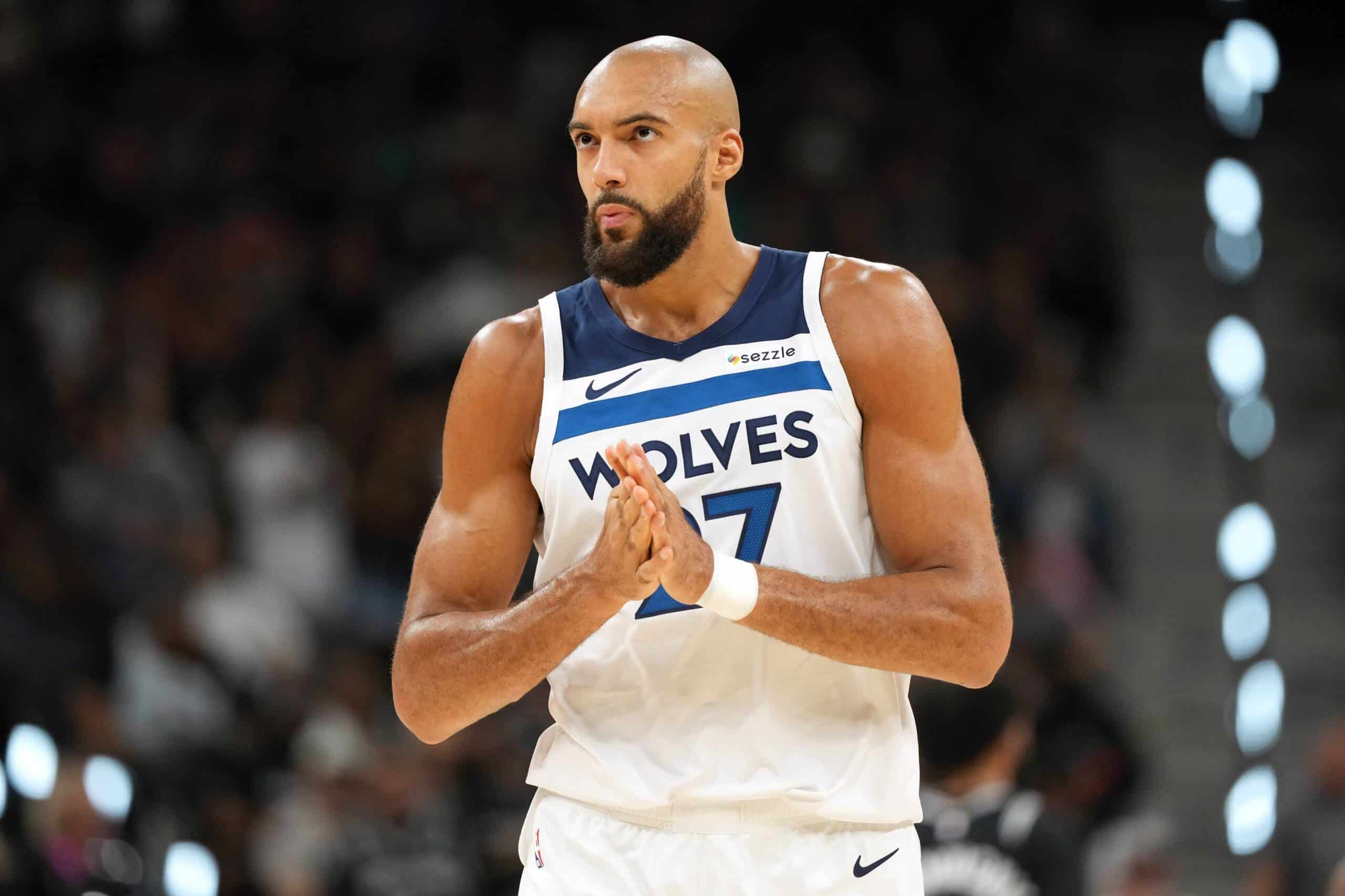
The Wolves will sometimes task Ball with guarding those types of perimeter players. But Jaden McDaniels and Edwards will take those matchups first, which will let Ball defend off-ball. Ball will be surrounded by productive defenders this season: McDaniels, Edwards, Jonathan Kuminga (when he wants to be), and Rudy Gobert.
I think being around those players and in this environment should keep Ball engaged and focused on defense. Because he brings length and will be surrounded by defensive stoppers, I don’t think Minnesota’s starting five will lack defense. I actually think they could finish near the top of the league in defensive rating this year because of the starters.
Which player will “suffer” when Donte returns? — @tate_youngblood
At this point, it seems likely that Donte DiVincenzo will return this season after tearing his right Achilles tendon in last year’s playoffs.
He has been progressing well and is already doing low-intensity on-court work. If I were a betting man, I would say he returns in March. But much still has to go right on his rehab journey for that to happen.
If it does, the Wolves would essentially be getting a free trade deadline acquisition, adding one of the NBA’s best catch-and-shoot 3-point threats to an ecosystem with one of the NBA’s best passing point guards.
It’s hard to predict who will be negatively impacted by DiVincenzo’s return until we see how Chris Finch sets up his rotation. My guess is it will be between Terrence Shannon Jr., Jaylen Clark, and Bones Hyland.
I think Shannon will still have a meaningful role when DiVincenzo returns, especially because they can play off each other. Clark will always have a role — however consistent or not consistent it is — because of his hard-nosed defense. Therefore, Hyland may be most impacted by DiVincenzo’s return because I have him slated at the very end of Finch’s rotation, so he could be the odd man out when DiVincenzo returns.
Which would be better for the Wolves: Shannon shooting 40% from deep, or Clark? — @mikementh
Clark, hands down.
Shannon shot 40.8% on 1.8 three-point attempts per game last season. Meanwhile, Clark shot 32.7% on 1.5 attempts per game.
I expect Finch to run lineups that give Shannon the ball. Shannon’s playoff success, built on a slew of downhill attacks and big dunks and layups, made Finch realize he should have Shannon on-ball more than he did last year.
Even with Ball now in the fold, I still think Finch should empower Shannon as Minnesota’s backup point guard. That would also let Shannon and Ayo Dosunmu, a very effective off-ball shooter, develop a productive two-man game off the bench. So the need for Shannon to be a knockdown three-point threat isn’t as great as it is for Clark.
As mentioned above, Clark’s game-wreaking defense will always hold value for the Wolves. But last season, his shooting struggles made him an offensive liability. If Clark can connect on 40% of his threes this year, he could blossom into an everyday player for the Wolves and solidify himself as an undisputed part of this team’s future.
How big of a role will Beringer play this year? — @coke_man_1228
Joan Beringer will be in Finch’s rotation, backing up Gobert.
The Wolves wanted to find ways to give Beringer more minutes this season. That opportunity came when they traded Naz Reid and Julius Randle. Still, it’s fair to worry that the Wolves are putting too much pressure on Beringer to take a significant leap in his sophomore year.
In a limited sample size last year, the teenager looked like the brainiac freshman earning good grades in a college-level algebra class. Beringer looked far ahead of the curve, and the Wolves are right to add him to their rotation this season. However, they lack insulation behind Beringer if he suffers an injury or falls into foul trouble.
I have said for months that I think the Wolves should look to fill their final roster spot with another center. Someone like Kevin Love, Kelly Olynyk, or Bismack Biyombo, who could play sporadic minutes effectively.
Instead, Minnesota isn’t planning to sign another player, which puts more pressure on Trey Lyles to back up Beringer if needed.
How much do you envision Lyles playing? — @billyhoadley_
Before the Wolves signed Jonathan Kuminga, I thought Lyles had a good case as Minnesota’s fifth starter because of his rebounding, versatile defense, and floor-spacing. However, I now think Lyles will start the year out of Finch’s rotation, especially because Minnesota’s head coach appears committed to a faster style of play.
At 6’10” and in Year 11, Lyles has the tools and experience to be a serviceable backup center if needed. I predict that will be his role to open the season: a locker room leader every game while filling in for Beringer or Gobert when Finch needs him to.
Will Finch have more trust in his younger players because his depth this season is less experienced?— @nailsby_kaylav
When Finch needs to use his young talent, he almost always does. In the past, that talent has had flaws — particularly on defense — that made it difficult for Finch to give them consistent minutes over older, more proven and polished players.
Finch also said on WCCO two weeks ago that the logjam Minnesota had at power forward between Reid and Randle hampered his ability to run a deep rotation. But this season, he expects to go ten-deep.
That means more minutes for Shannon and Clark. Finch will also likely give both players – and the end of his rotation overall – more margin for error if he truly does run a 10-man rotation consistently.
Should we be worried about lingering effects of Ant’s knee injuries after his quick return during the playoffs? — @olsonla0
Edwards took two months off this summer to get healthy after suffering mildly severe injuries last season in both knees.
Toward the end of last year’s regular season, Edwards battled through right knee inflammation that caused him to miss 11 of Minnesota’s final 14 games. And then in the first round of the playoffs, he suffered a bone bruise and hyperextension in his left knee after landing awkwardly.
There has been no indication that Edwards is experiencing any concerning discomfort right now. He’s a fighter who plays through many bumps and bruises during a season. He is also an explosive player, though, so knee injuries are always concerning.
We will see how he progresses this season. But I think having him off the ball again, with catch-and-shoot threes being a larger part of his offense, should help keep his knees fresher as the season wears on.
How will the spacing work between Gobert and Kuminga, and can it function at a high level? — @jholdenried_
Kuminga is a career 33.2% three-point shooter. Last season, he shot 33.3% on 2.9 attempts per game. For comparison, Randle shot 31.5% on 4.4 attempts. Because he couldn’t connect on open threes, Randle’s fit in Minnesota suffered, especially alongside Gobert and Edwards.
Randle would negate his three-point shooting woes when he played as a true point forward, collapsing the defense and passing to his teammates. With Ball replacing Randle as Minnesota’s set-up man on offense, Kuminga will primarily fill an off-ball role with the Wolves.
Because of that, it’s fair to be concerned that his lack of floor spacing will hurt Minnesota’s offense alongside another non-shooter in Gobert.
However, Kuminga is a willing and productive off-ball mover. He frequently cuts to the rim without the ball, which will help exploit a defense that might sag off him, especially next to Ball’s passing skills.
https://twitter.com/CharlieWaltonMN/status/2096733665883517322?s=20
Kuminga is also a sneakily good passer. That part of his game has impressed Finch during training camp. Last season, Kuminga showed a solid understanding of when to pass the ball around the rim against a collapsed defense, despite only averaging 2.3 assists.
Think you could write a story like this? Hockey Wilderness wants you to develop your voice, find an audience, and we'll pay you to do it. Just fill out this form.

Recommended Comments
There are no comments to display.