




By Eric Forga -
The Minnesota Timberwolves didn’t just tweak their roster this offseason. They changed its entire shape. By trading for LaMelo Ball and signing Jonathan Kuminga, Minnesota has surrounded Anthony Edwards with more speed, playmaking, athleticism, and lineup flexibility than it had a year ago. That should make the Wolves a real top-five threat in the loaded Western Conference.
Minnesota finished 49-33 and sixth in the West last season, then chose a bold roster reset instead of running back the same group. The franchise moved on from Julius Randle and Naz Reid in deals that brought the Ball to Minneapolis, while Kuminga arrived as a free-agent addition expected to take over at power forward.
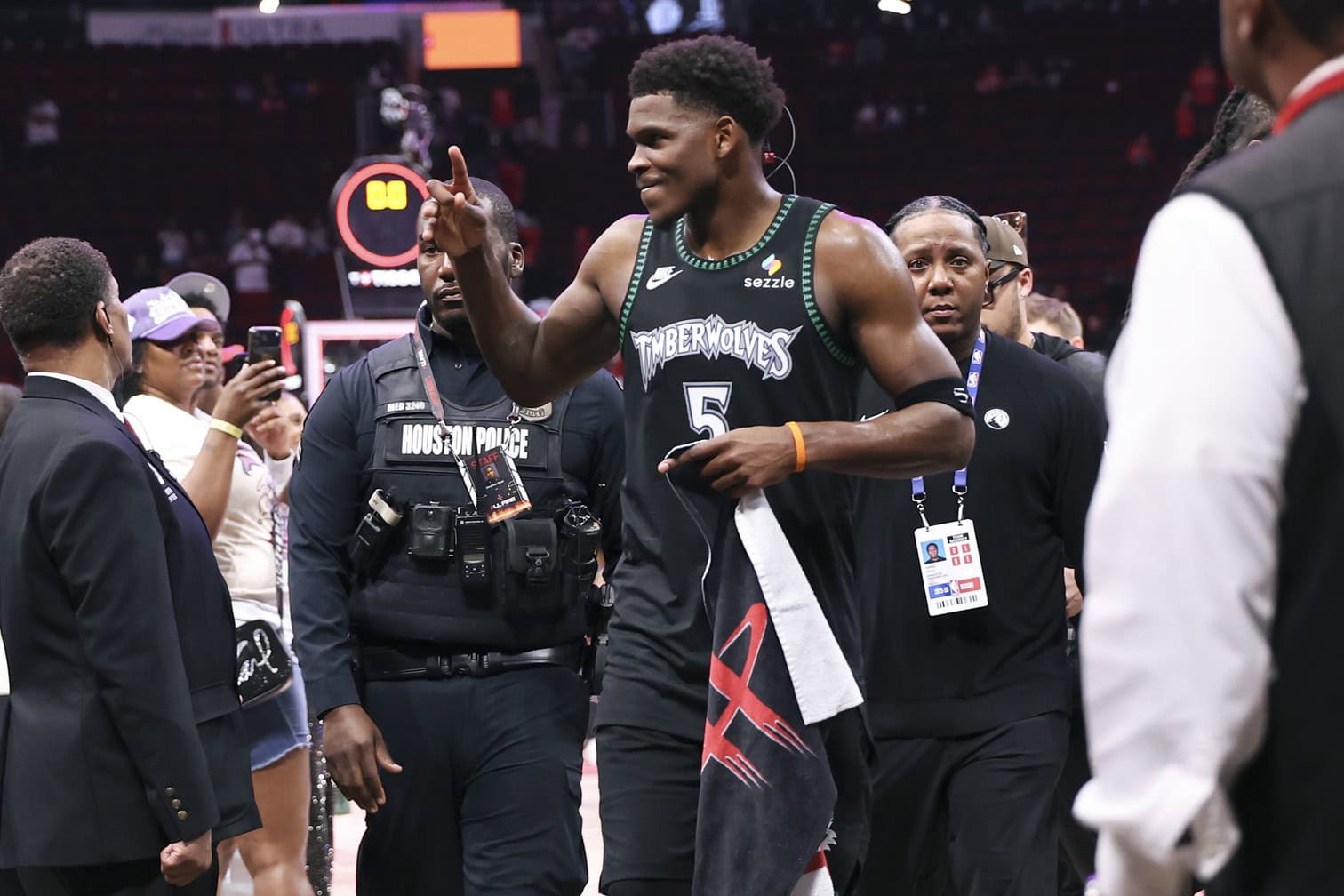
For all of Anthony Edwards’ brilliance, the Wolves have often asked too much of him. Edwards has had to be the primary scorer, late-clock shot creator, transition engine, and increasingly a playmaker for teammates. Minnesota needed somebody who could ease that workload without taking Edwards out of his best role.
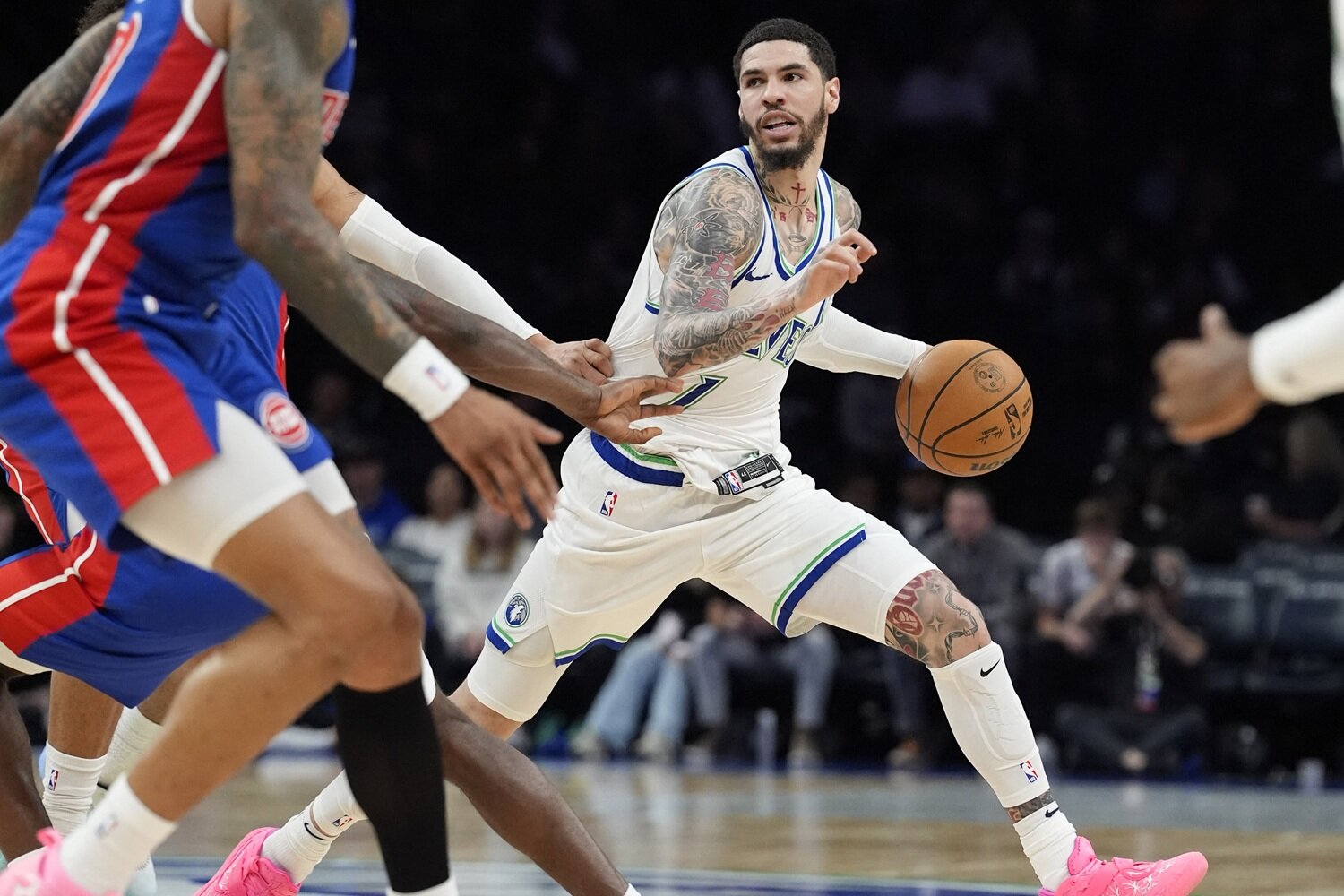
That’s what LaMelo Ball can provide. Ball isn’t just another ball-dominant guard. He is a 6-foot-7 point guard with elite court vision, advanced passing instincts, and the willingness to push the ball ahead before a defense gets set.
https://twitter.com/UncleDrewidk/status/1978190552513286566?s=20
Over six NBA seasons, he has averaged 7.3 assists per game, giving Minnesota a genuine table-setter who can create quality looks without every possession starting with Edwards isolating above the break. The fit should be especially dangerous in transition. Ball can grab a rebound or receive an outlet and immediately look for Edwards sprinting down the wing, Kuminga cutting toward the rim, or Jaden McDaniels filling a corner.
Minnesota has the personnel to become one of the league’s more uncomfortable teams to defend after missed shots. More importantly, Ball gives Edwards a chance to become even more efficient. Edwards can now spend more possessions attacking a tilted defense, catching the ball on the move, or working off the ball before exploding into a second-side action. The Wolves need Ball to make life easier for their superstar, and he’s built to do exactly that.
Still, Jonathan Kuminga may prove to be the move that defines Minnesota’s season. The Wolves needed a starting-caliber forward after Randle’s departure, and Kuminga gives them a younger, faster, more athletic answer at power forward. He signed a two-year, $12.4 million deal with a player option for the second season, accepting Minnesota’s pitch that he could start next to Ball, Edwards, McDaniels, and Rudy Gobert on a contender.
Kuminga doesn’t have to become a 20-point scorer to make an impact. His job is simpler and potentially more valuable: run the floor, attack closeouts, finish above the rim, defend multiple positions, and punish teams that overcommit to Edwards and Ball.
That role should suit him. Ball’s passing can create easy cutting lanes, while Edwards’ gravity will force defenders to help away from Kuminga. When defenses collapse on Gobert rolls or Edwards drives, Kuminga should find himself with room to attack a rotating defender instead of trying to manufacture offense from scratch.
https://www.youtube.com/watch?v=mpAOdmL534U&t=14s
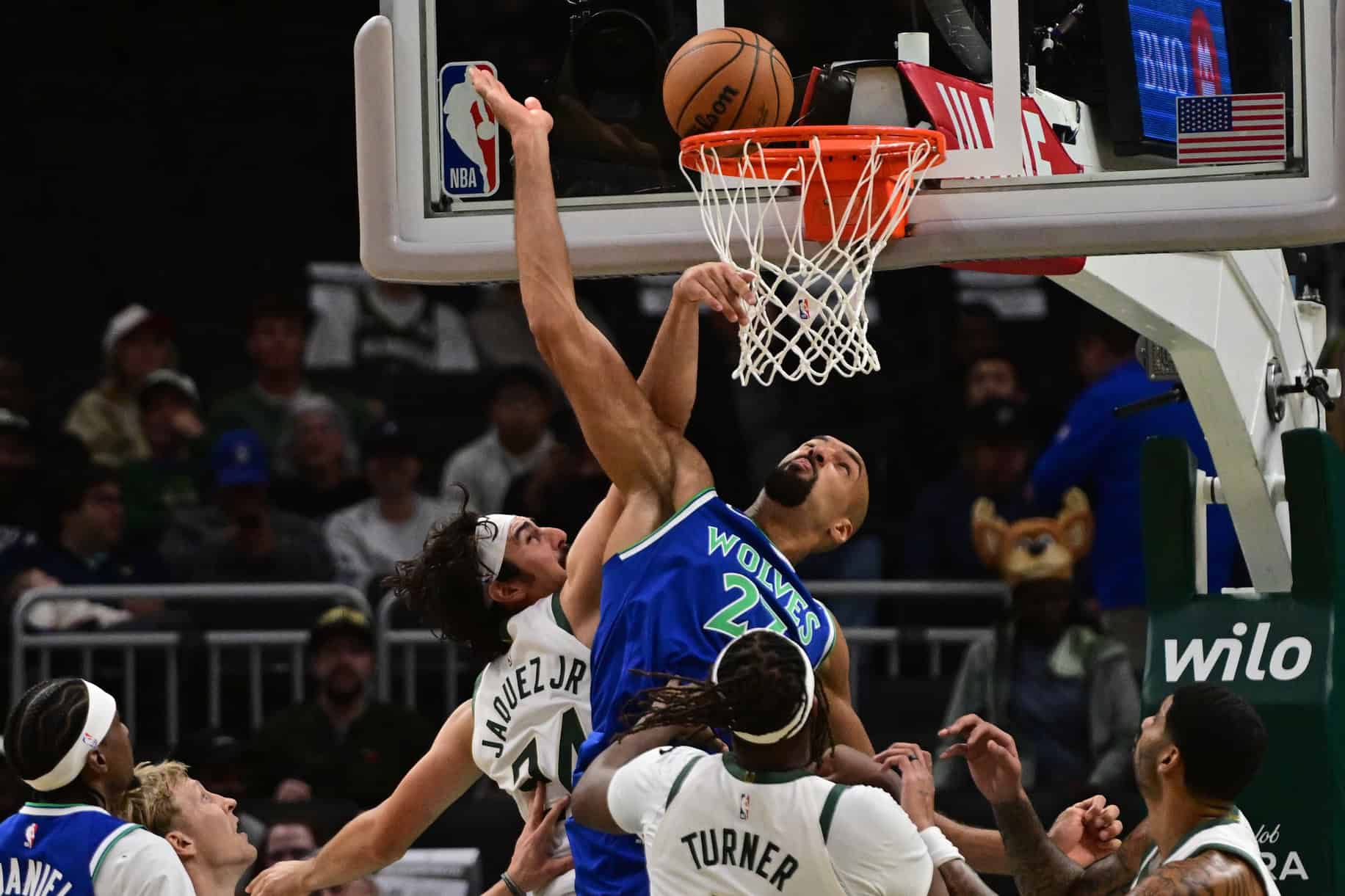
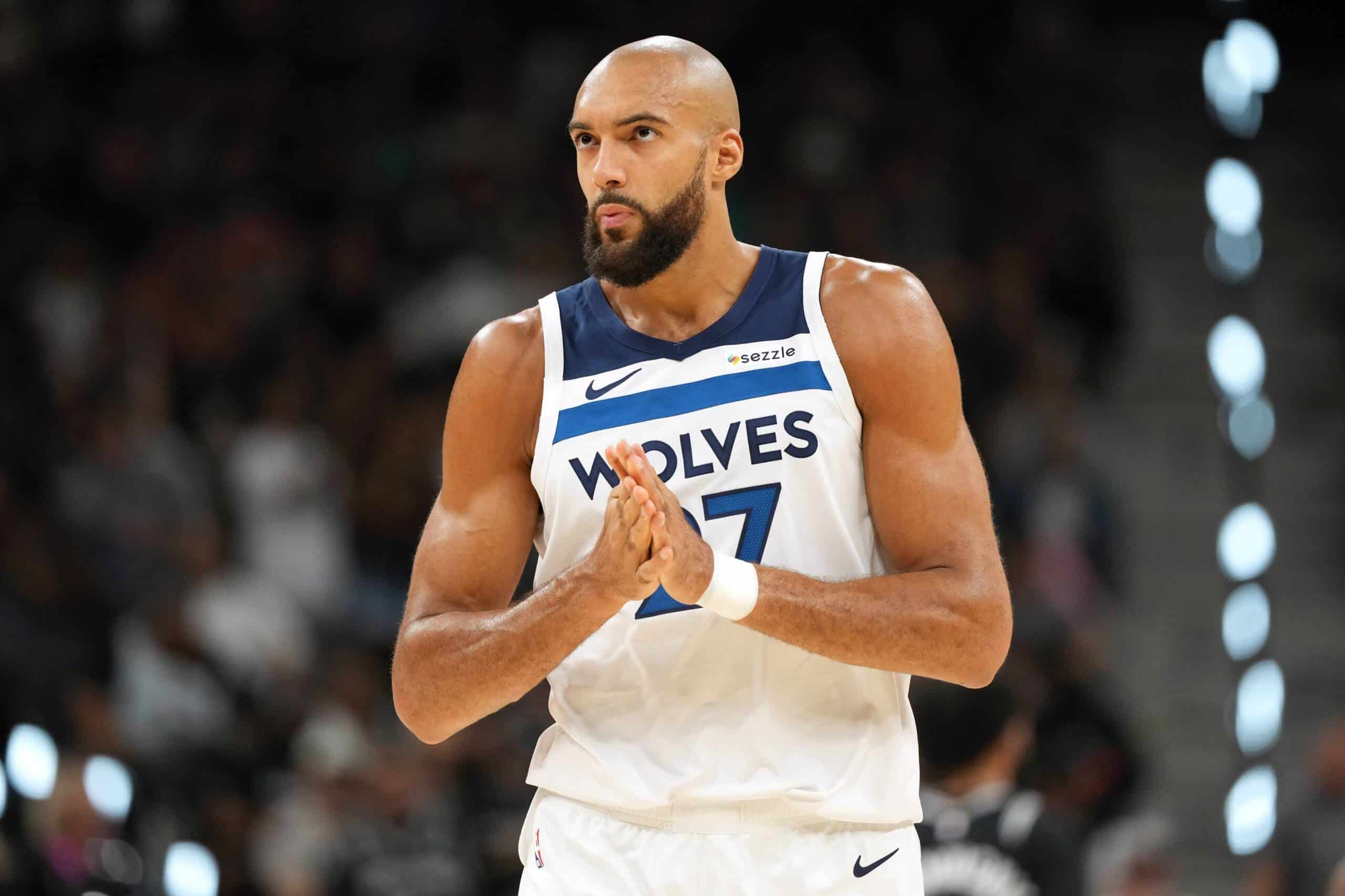
Minnesota also now has a frontcourt with real defensive versatility. McDaniels can handle elite wings, Kuminga has the tools to switch across forward matchups, and Gobert remains the backbone of the interior defense. The Wolves may have lost some of Reid’s offensive pop and Randle’s physical scoring, but they gained more speed and defensive range.
A projected starting lineup of Ball, Edwards, McDaniels, Kuminga, and Gobert has size at every position, multiple creators, elite athleticism, and a clear defensive identity. It also has the top-end talent to win games even when the offense gets ugly. Minnesota’s supporting cast should help stabilize the group. Donte DiVincenzo remains a proven perimeter shooter, while Ayo Dosunmu gives the Wolves another capable guard who can defend and handle the ball.
Young players such as Jaylen Clark, Terrance Shannon Jr., Cody Williams, and Isaiah Evans add energy and developmental upside to the rotation. The biggest question is chemistry. Ball and Edwards must learn when to attack, when to defer, and how to avoid turning every possession into alternating isolation basketball. Kuminga also has to embrace the dirty work: defending, rebounding, screening, cutting, and thriving without needing a high-volume offensive role.
But the upside is too obvious to ignore. Minnesota has moved from a team that leaned heavily on Edwards to a team with multiple players who can create pressure on a defense. The Wolves should not be battling for the Play-In Tournament. They should be battling for home-court advantage.
Think you could write a story like this? Hockey Wilderness wants you to develop your voice, find an audience, and we'll pay you to do it. Just fill out this form.

Recommended Comments
There are no comments to display.