





By Eric Forga -
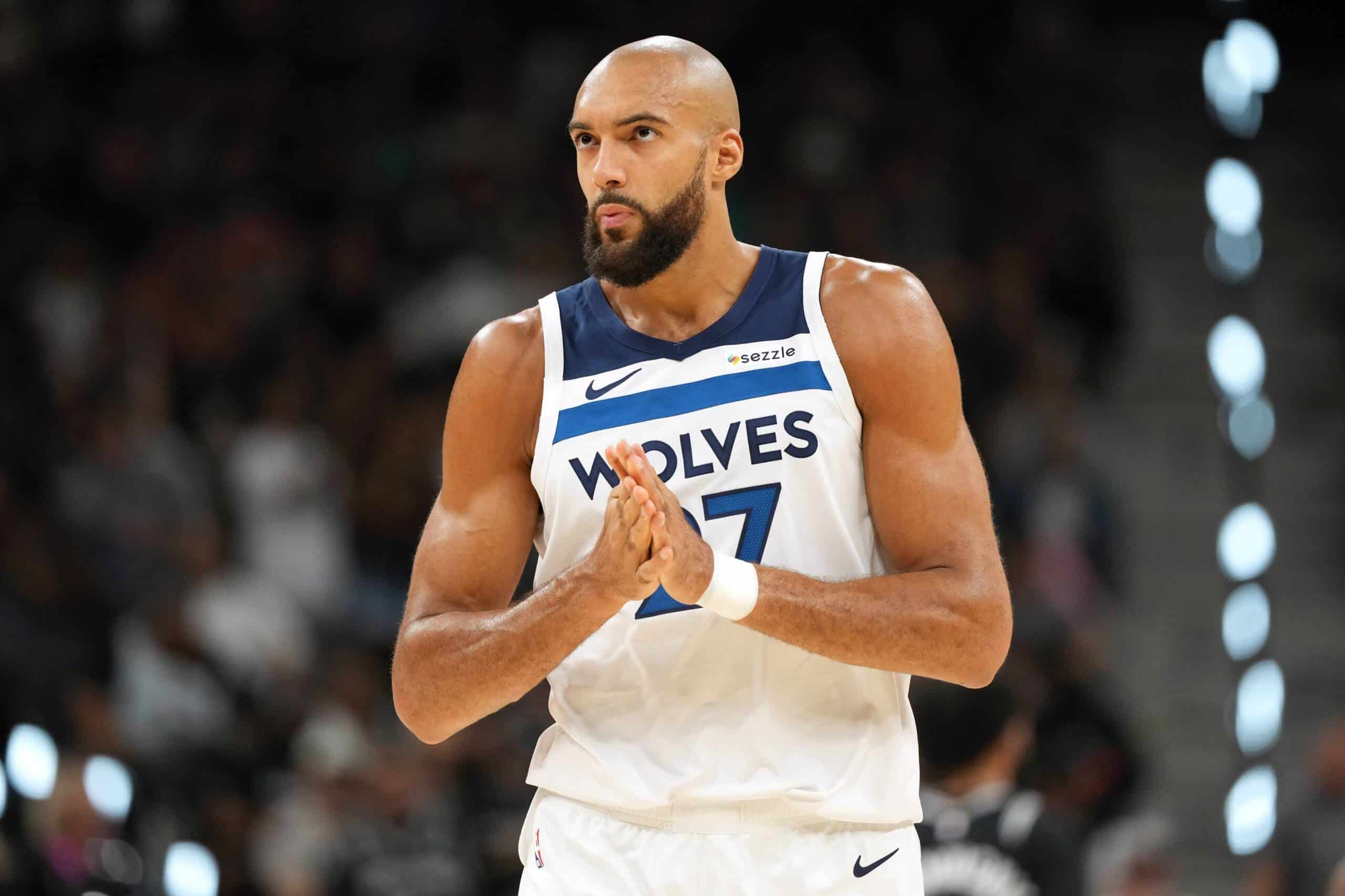
The Minnesota Timberwolves cannot treat Rudy Gobert like a 34-minute regular-season workhorse this season. To keep their defensive anchor at his best in late-game possessions and a potential playoff run, Chris Finch must manage Gobert’s workload deliberately from opening night onward.
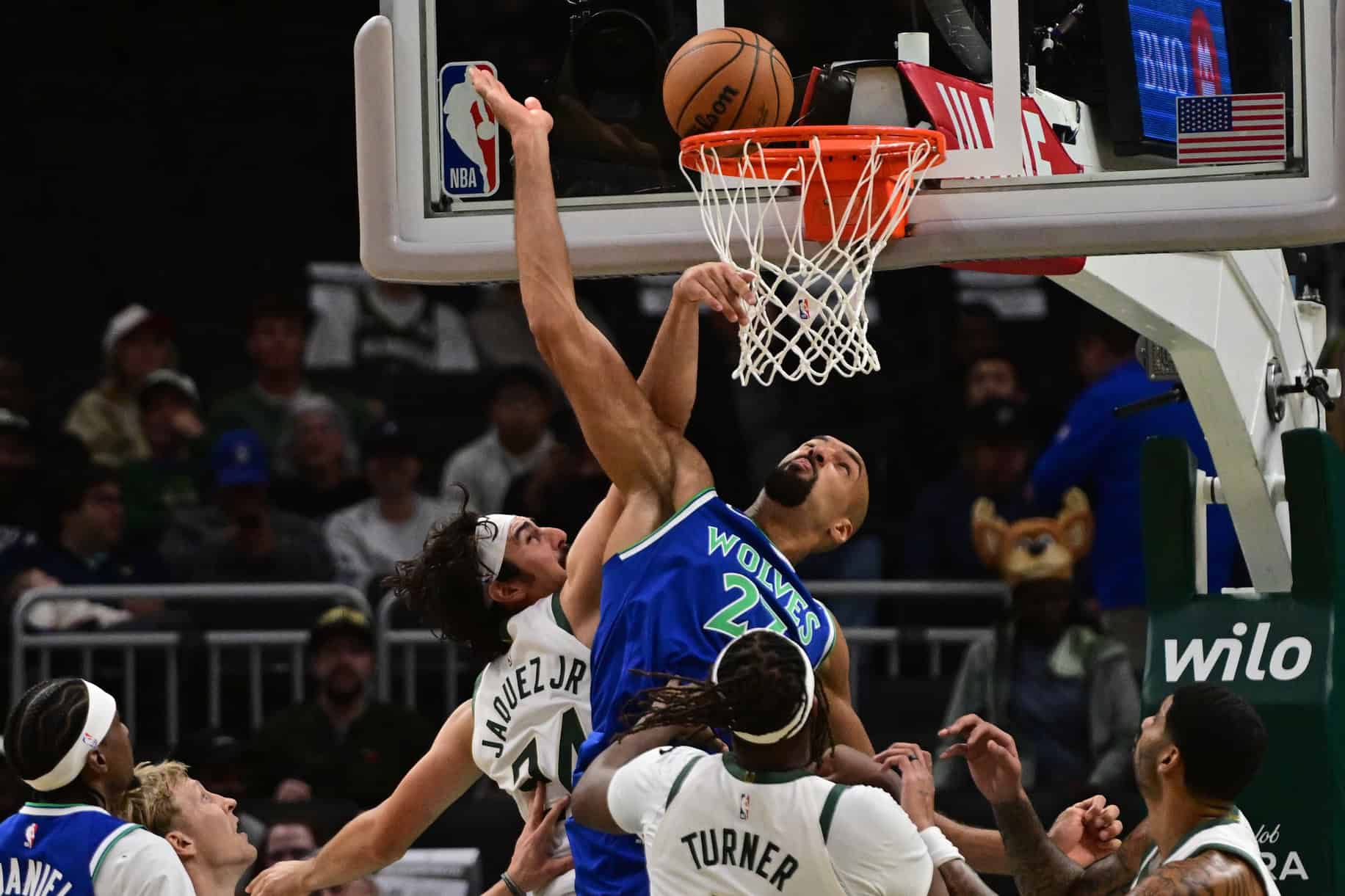
Rudy Gobert is still enormously important to Minnesota. He remains Minnesota’s best rim protector, their most reliable defensive rebounder, and the player who gives the defense its identity.
Minnesota’s defense has been dramatically better with Gobert on the court. His presence affects everything from opponents’ shot selection to how aggressively Wolves’ perimeter defenders can pressure the ball. But that’s precisely why Minnesota cannot burn him out trying to win every random January game by six points.
Gobert is entering his age-34 season and his 13th NBA campaign. He played 76 games and averaged 31.3 minutes last season. That’s a heavy load for a veteran 7-footer expected to sprint into screens, battle bigger bodies for rebounds, protect the rim, and defend in space against modern offenses.
https://www.youtube.com/watch?v=A8VF6omjyhg
Minnesota’s instinct may be to lean even more heavily on Gobert after losing Naz Reid, who previously played 26.1 minutes per game and was the Wolves’ proven alternative at center. Now, the available depth includes younger, less-proven bigs such as Joan Beringer and Rocco Zikarsky. That situation makes it tempting to extend Gobert’s shifts and ask him to solve every defensive issue himself. However, Minnesota must resist that temptation.
Minnesota’s goal shouldn’t be squeezing 33 or 34 minutes from Gobert every night. Their goal should be to ensure that, with two minutes left in a playoff game, he still has the legs to contest at the rim, recover to a shooter, finish a lob, and dominate the defensive glass. A fresher Gobert changes the Wolves’ ceiling. A word-down Gobert makes their defense vulnerable when the games become most demanding.
The Wolves should aim to keep Gobert closer to the 28- to 30-minute range during the regular season whenever matchups permit it. That doesn’t mean treating him like a part-time player. It means recognizing that his value is greatest in high-leverage minutes, not padding a December rotation.
https://www.youtube.com/watch?v=aORcmLRdhO8
Chris Finch should handle his workload carefully. He must avoid unnecessarily long first-half stints, particularly against teams without a physical interior scorer. He should also consider giving Gobert scheduled rest in back-to-backs or heavily compressed stretches, especially when soreness or fatigue becomes apparent.
Finch should also let inexperienced reserve centers absorb some difficult regular season minutes rather than discovering in April that they cannot be trusted at all. He could also use matchup-dependent closing lineups instead of automatically playing Gobert through every fourth quarter.
Another option is to save his most taxing assignments for moments that demand them: elite post scorers, dominant offensive rebounders, and games with playoff-style intensity. Minnesota may lose a few regular-season possessions with Gobert on the bench. That’s acceptable. The Wolves have to view those minutes as an investment in their postseason chances.
The postseason exposes fatigue. Opponents hunt switches, force big men into repeated pick-and-roll actions, push the pace after misses, and make every defensive possession physical. Gobert can’t just stand near the basket and wait for the action to come to him. He has to communicate, cover ground, screen hard, roll with force, rebound in traffic, and repeatedly protect the rim. That takes an enormous toll over a long series.
Minnesota has already seen how indispensable Gobert can be when he’s engaged and physically sharp. At his best, he can erase perimeter defenders’ mistakes and turn reckless drives into kickouts or contested floaters. In the early portion of the 2025-26 season, Minnesota was 16.2 points per 100 possessions better defensively with Gobert on the floor than without him, the league’s best such mark among players with at least 400 minutes at that point. The Wolves can’t afford to exhaust that player before the games that define their season.
The uncomfortable truth is that Minnesota must find out what it has behind Gobert. Joan Beringer and Rocco Zikarsky may not be ready to replace Naz Reid’s production. Still, the Wolves will not develop viable emergency options by keeping them glued to the bench while Gobert plays every available minute. There will be ugly stretches. Minnesota’s defense will slip in games without Gobert. That’s the cost of preparing for the bigger picture.
Rudy Gobert should still be Minnesota’s defensive centerpiece. He shouldn’t have to carry the full burden for 82 games. The Timberwolves must manage his minutes now to protect his body and preserve his energy. If they do, they will give themselves a much better chance of having their most important defender ready when the season is on the line.
Think you could write a story like this? Hockey Wilderness wants you to develop your voice, find an audience, and we'll pay you to do it. Just fill out this form.

Recommended Comments
There are no comments to display.