



By Charlie Walton -
At about this time last year, the Minnesota Timberwolves knew the importance of capitalizing on the continuity they had built following a quiet offseason.
Chris Finch believed continuity is only valuable early in a season when other teams are still settling into their big additions. Anthony Edwards also thought Minnesota’s familiarity would trigger a fast start.
They were right. The Timberwolves opened the 2025-26 season with a 20-10 record, feasting against poor opponents and leveraging their cohesion well.
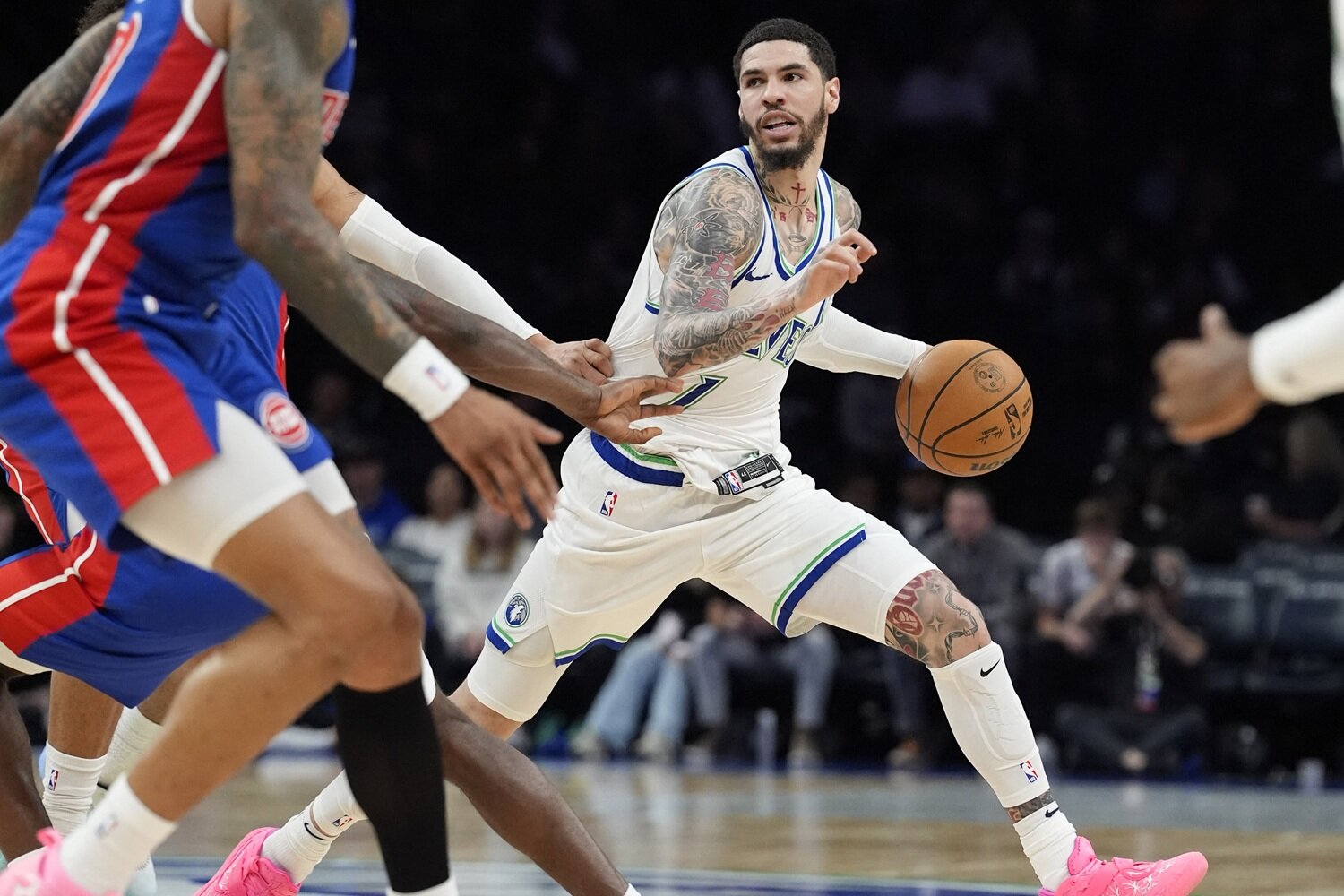
But this season, after another loud summer, the Timberwolves will not have the grace of pre-built continuity. They will enter the LaMelo Ball-Anthony Edwards era — one that will almost certainly require early growing pains. However, the NBA’s schedule makers did Minnesota a favor early in the year, and the Wolves must take advantage.
The Wolves will play an eight-game homestand in November, setting up a four-and-a-half-week stretch during which they won’t leave the Central Time Zone — a valuable launching pad for the 2026-27 season.
November’s homestand:
- Nov. 8 vs. Utah Jazz
- Nov. 12 vs. Dallas Mavericks
- Nov. 14 vs. Chicago Bulls
- Nov. 16 & 17 vs. Portland Trail Blazers
- Nov. 19 vs. New York Knicks
- Nov. 21 vs. Memphis Grizzlies
- Nov. 23 vs. Brooklyn Nets
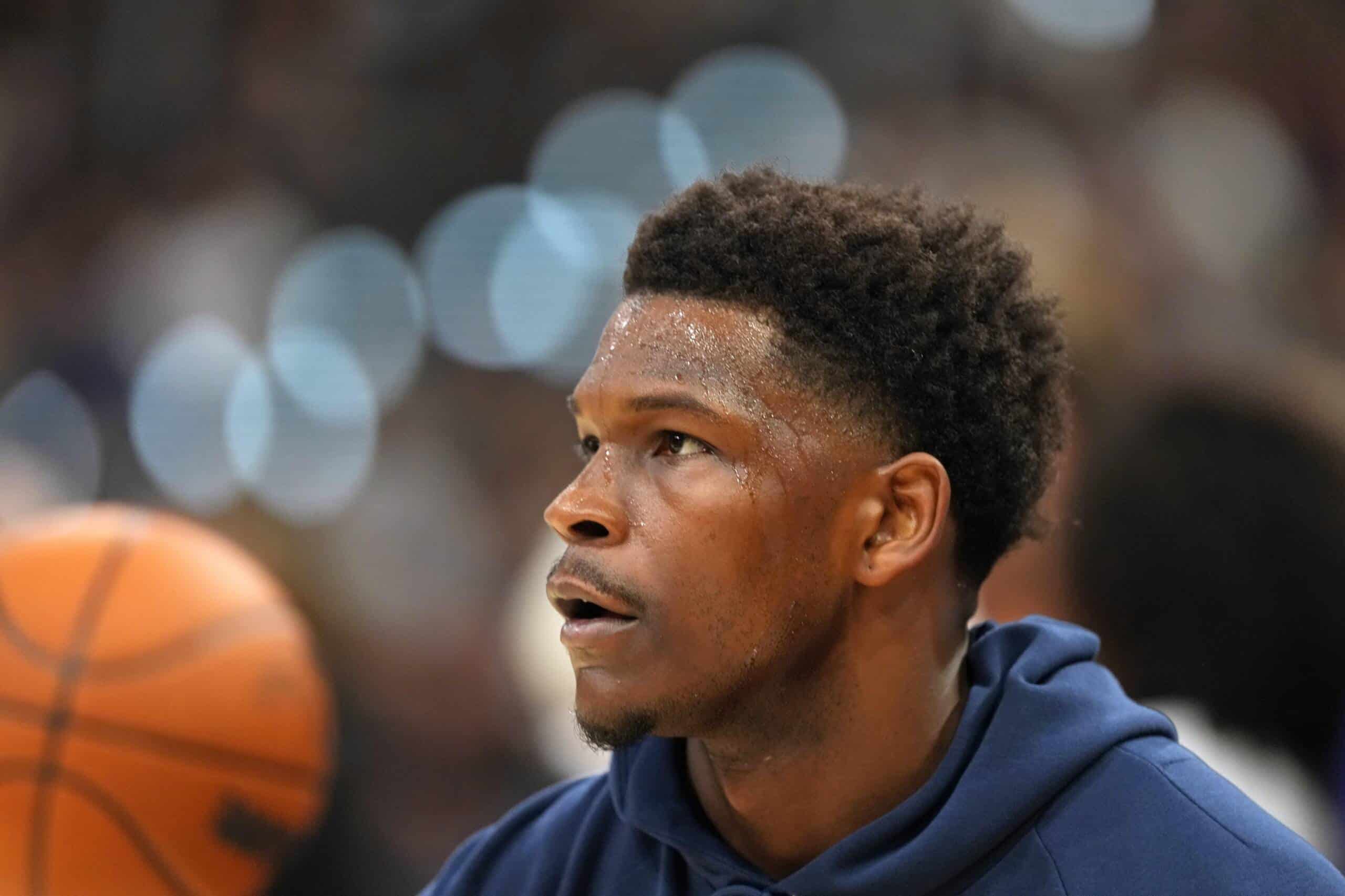
Minnesota’s expectations for the Edwards-Ball backcourt are sky-high. Still, chances are, their pairing will not operate at a championship-contending level immediately. Edwards is aware of that. He has been through far too much seismic change with the Wolves to believe that he and Ball will immediately figure things out.
“It’s definitely going to be ups and downs,” Edwards told Taylor Rooks in July at Fanatics Fan Fest in New York. “First year together, maybe a lot of downs. But we are just going to celebrate both of them. Celebrate the ups, celebrate the downs, and just go with it.”
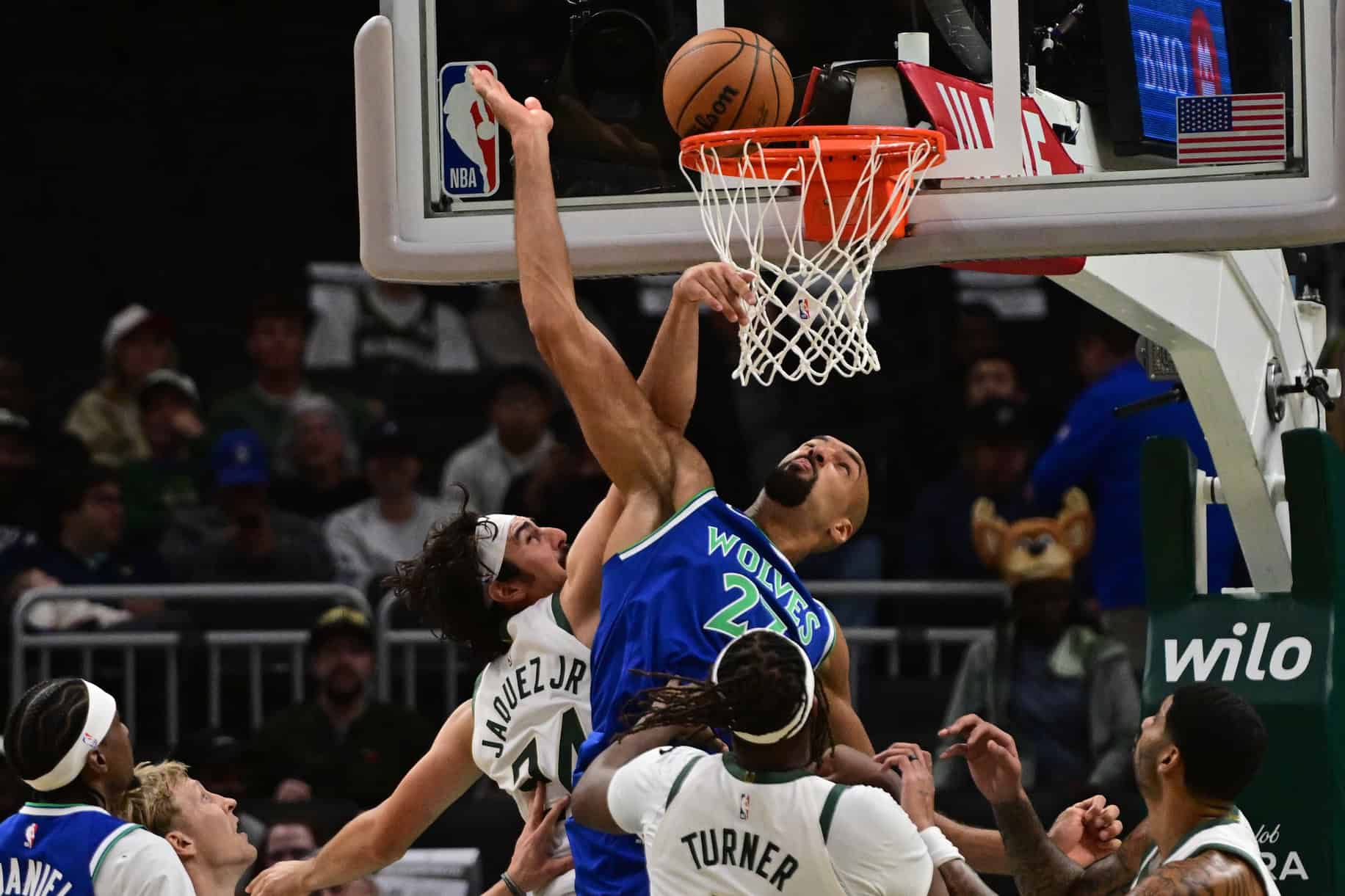
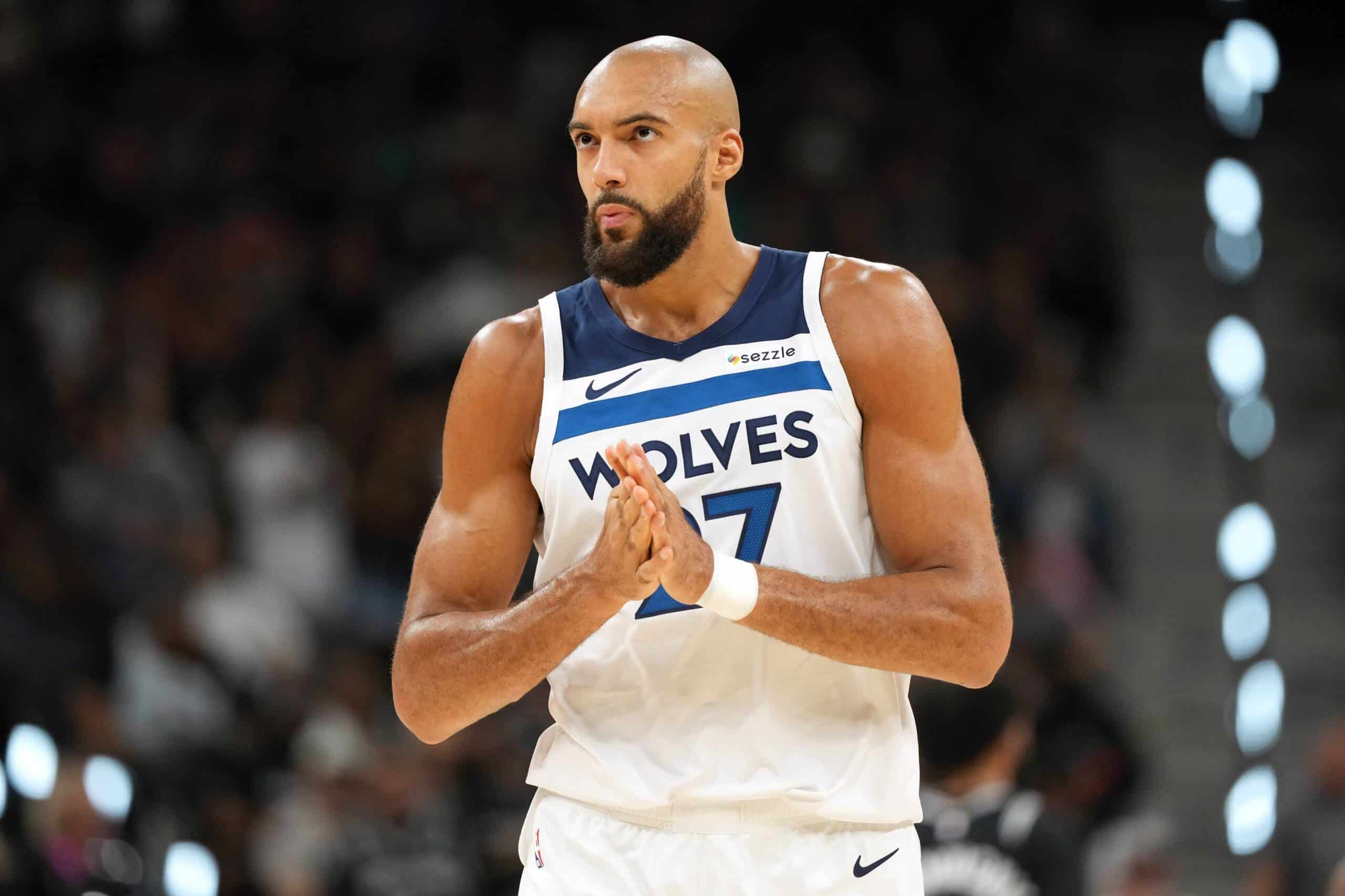
Edwards probably remembers the struggles he and the rest of the team faced as they tried to integrate Rudy Gobert into the offense during his first season. He remembers the Wolves swapping D’Angelo Russell, who didn’t develop chemistry with Gobert, for Mike Conley midway through the 2022-23 season. Edwards remembers losing Karl-Anthony Towns days before the 2023-24 season in a trade that brought in Julius Randle, who also needed time to get acclimated in Minnesota during his first year.
There’s good reason to believe that Edwards’ connection with Ball will be more natural than it was early on with Gobert and Randle. Ball is a floor-spacing, dynamic passer who should generate easier offense for Edwards. But they are two ball-dominant players who have never played with a backcourt partner with their level of gravity.
Therefore, Edwards and Ball must put in the work necessary to develop their partnership in a way that will promote efficient team-wide offense and a winning approach. They are fully aware of this, and they have made it a point this summer to establish team-wide chemistry.
The Timberwolves were recently on a team trip in Paris, where they worked out with Gobert and Joan Beringer in their homeland. Edwards and Ball led talks to get the team there; they offered to pay for the entire team’s travel, and Gobert covered their hotel stays.
https://twitter.com/rudygobert27/status/2087630772131733844?s=20
The Wolves played threes and fours against each other in Paris. Ball tossed lobs to Gobert, who also dabbled with his three-point shot. The team went sightseeing, canoeing, and boating together in between workouts.
While it has been encouraging to see the Wolves build chemistry, everything is always peachy at this point in the offseason. Records are 0-0, and almost every team believes they can contend. Minnesota’s real test will begin when the regular season starts, shots aren’t falling, and adversity sets in.
The Wolves will open their season in South Beach against the new-look Miami Heat headed by Giannis Antetokounmpo and Bam Adebayo. That will pose a great test to Minnesota’s lack of size in the frontcourt. Then, the Wolves will travel 237 miles north to play Paolo Banchero, Franz Wagner and the Orlando Magic before making their home debut on Oct. 25 against the Toronto Raptors.
Minnesota’s home opener will kick off a stretch in which it will play 12 of 16 games at Target Center, including that eight-game November homestand, which is the longest in franchise history. They will play 10 total games at home in November, seven of which will be against teams that missed the playoffs last year, and none of which will be on national television.
It’s an opportunity for the Wolves to grow in the shadows, gain some of the continuity they liquidated this off-season, and build a lead in the Western Conference Standings in front of a clamorous home crowd.
That should puff wind into the sails of a team that is hoping to have more fun this season, but also must mature with a roster that looks much different than last season. But they must realize the important and unique opportunity that November presents. Doing so would be an early indication that the Wolves have matured this summer.
On the rebranded Target Center hardwood, with fresh jerseys draped across their collective chests, the Timberwolves have an opportunity to foster the continuity they lost this summer early in the 2026-27 season. That could have lasting effects later in the year. But that will only happen if the Wolves realize the importance of capitalizing in November.
Think you could write a story like this? Hockey Wilderness wants you to develop your voice, find an audience, and we'll pay you to do it. Just fill out this form.

Recommended Comments
There are no comments to display.