




By Phil Ford -
When you think of a power forward, what comes to mind? For Wolves fans, you immediately picture Kevin Garnett dunking, blocking shots, hitting a 15-foot turnaround jumper, and ramming his head into the basket stanchion like a maniac. Maybe you acknowledge Tim Duncan‘s fundamental brilliance on both sides. Perhaps a younger generation appreciates Giannis Antetokounmpo’s athletic dominance.
Many of the league’s greatest players of all time have been power forwards, shaping the history of the game since Dolph Schayes was busting ass for the Syracuse Nationals.
However, the Minnesota Timberwolves just jettisoned two classically trained power forwards. Julius Randle, the prototypical bruiser who is a 6’9”, 250-pound tank who will put your ass in the basket if you don’t get in the weight room. Naz Reid, a balletic 6’9”, 264-pound stretch four who turned himself into the Sixth Man of the Year and a career 37.1 percent three-point shooter. There’s now a 13’6”, 514-pound hole in Minnesota’s lineup that Chris Finch has yet to announce how he’s going to fill.
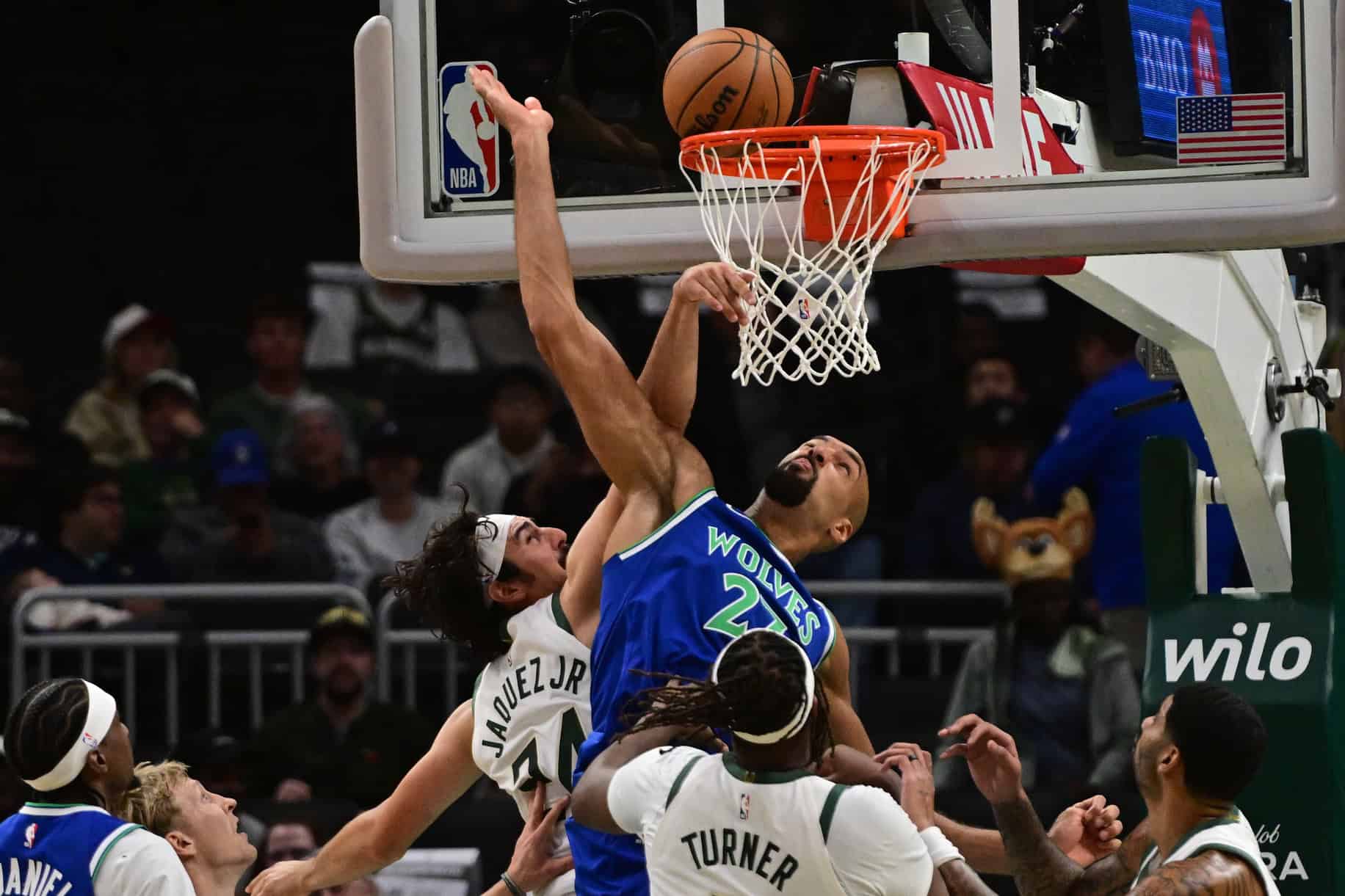
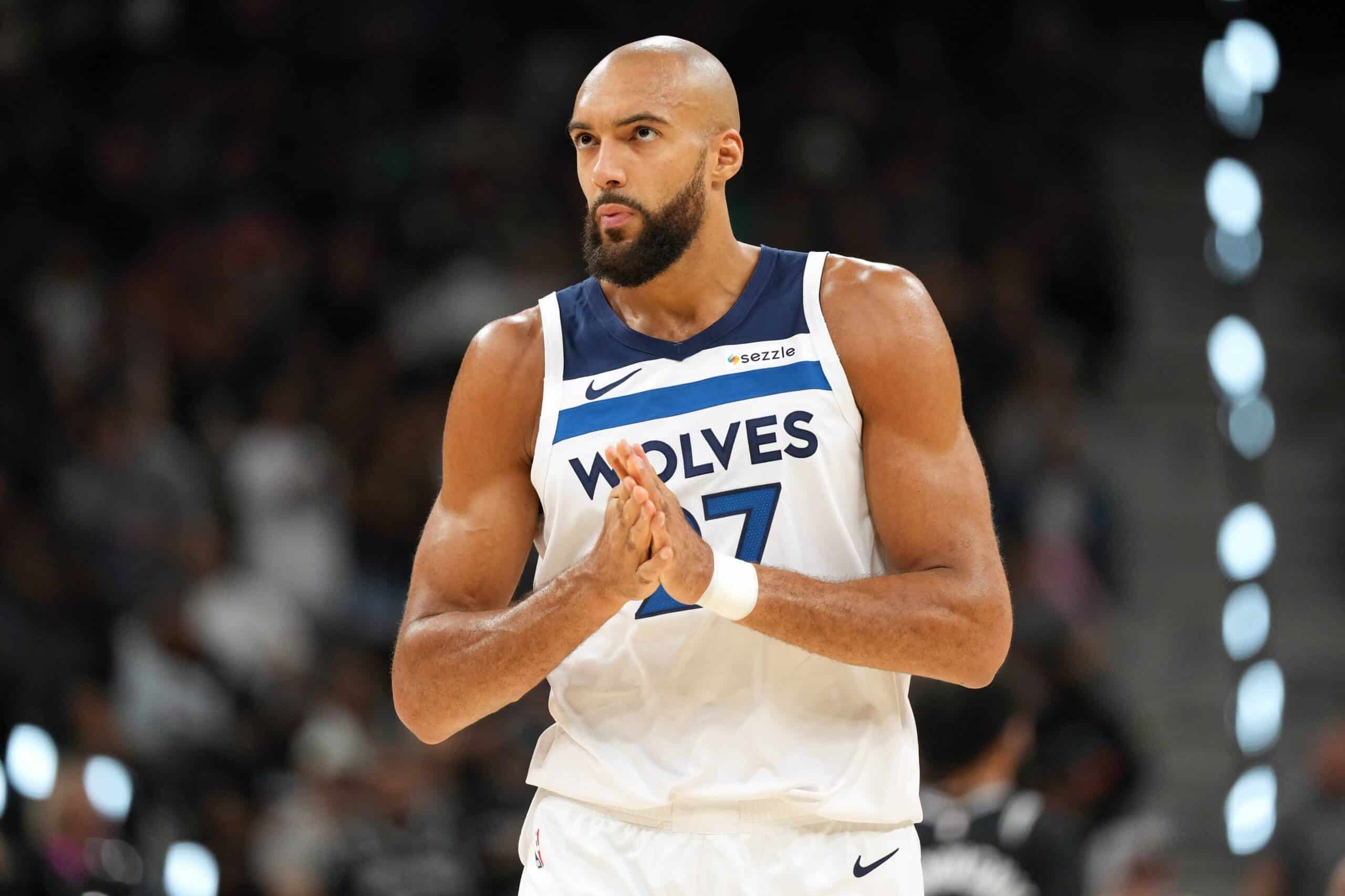
Jaden McDaniels weighs as much as I do. Joan Beringer and Rocco Zikarsky are natural centers and would clog the lane next to Rudy Gobert. And everyone else on the roster is either 6’7” or shorter, a rookie, or didn’t play in the NBA last year. The Wolves will have to get wonky to field a “traditional” starting lineup. But if the last few champions show us anything, it’s that maybe a traditional starting power forward is a thing of the past.
Giannis led the Milwaukee Bucks to the franchise’s first championship in 50 years in 2021. He was the back-to-back reigning MVP, the league’s best defensive player, and the best power forward of his generation. However, since Giannis closed out the Phoenix Suns with 50 points in game six of the Finals, teams have found a way to win without a traditional power forward.
In 2022, the Golden State Warriors resurfaced after three years off to cap off the dynasty with a fourth title in the Steph Curry/Klay Thompson/Draymond Green era. The Warriors were never the team to bow to conventional roster mechanics. They rolled out a lineup with Steph Curry as the lead guard, Jordan Poole and then Klay Thompson at shooting guard, and then a frontcourt with 6’6” Andrew Wiggins, 6’6” Draymond Green, and 6’9” Kevon Looney.
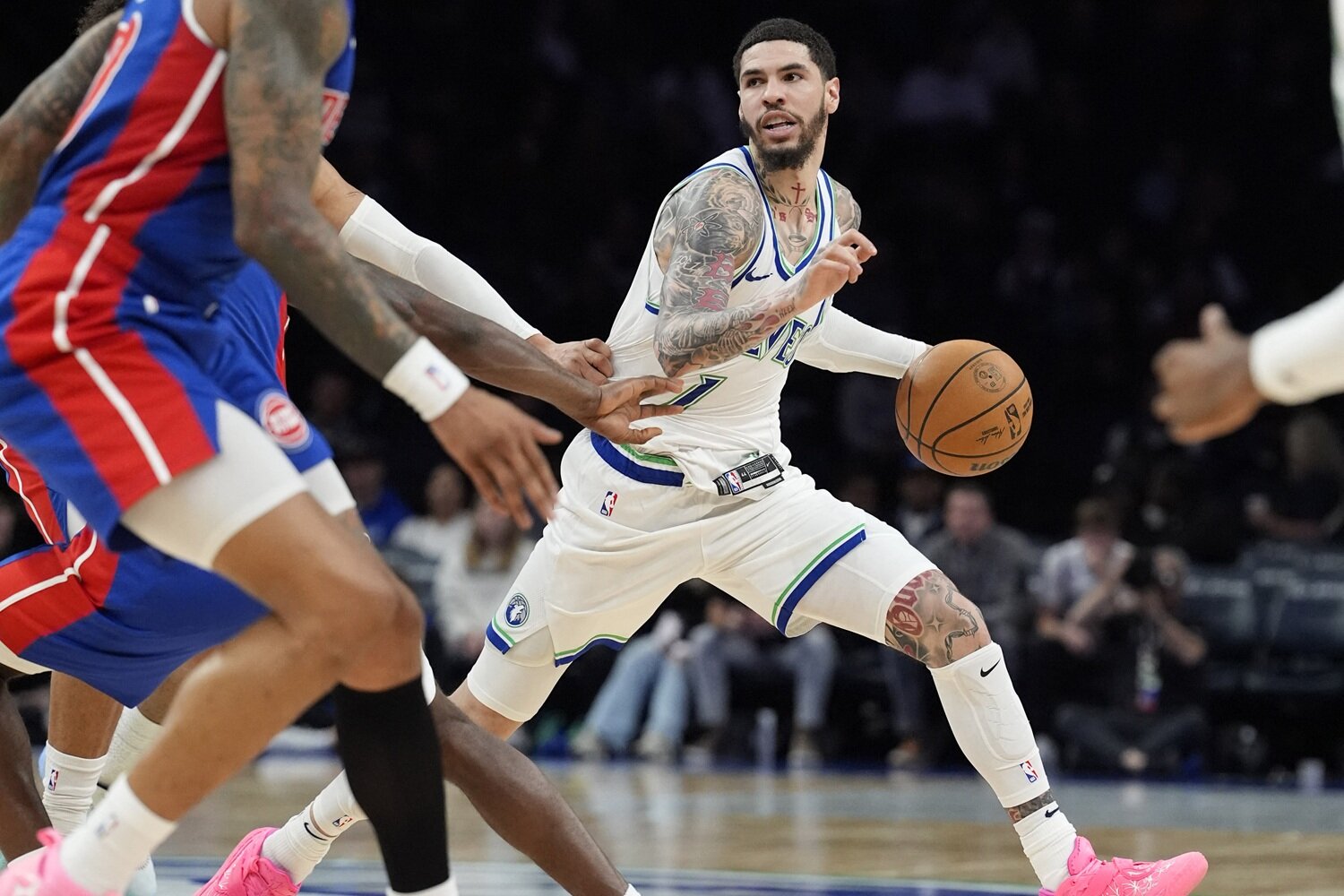
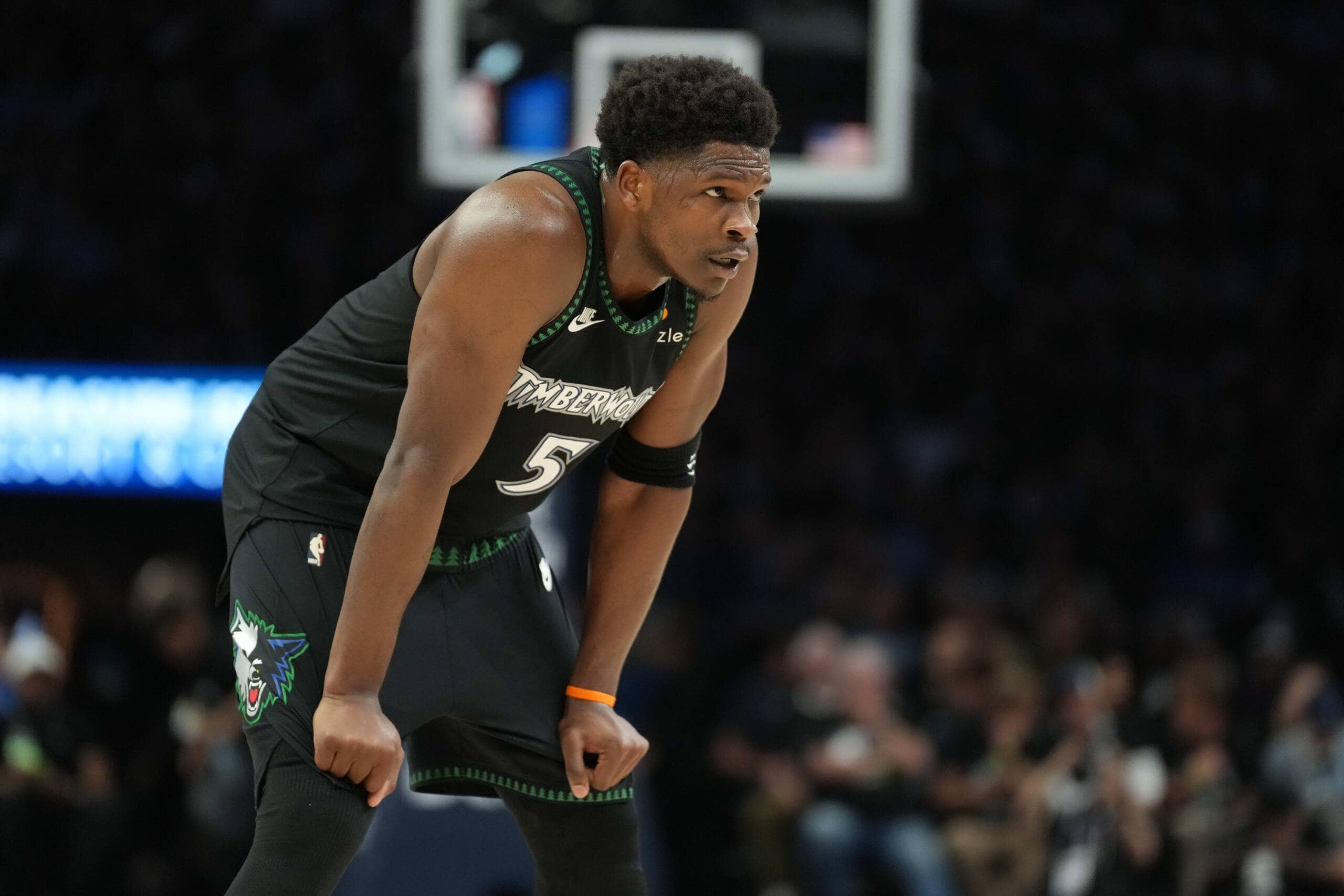
Green built a Hall of Fame career as an undersized, unconventional power forward, turning himself into an offensive and defensive hub around which all action revolves. There’s nobody on Minnesota’s roster who has revealed this type of ability in the NBA. But this type of roster construction would compel Finch to slot someone like Josh Green or Terrence Shannon Jr. in the role and hope they can impact both offense and defense enough to keep things flowing among LaMelo Ball, Anthony Edwards, Jaden McDaniels, and Rudy Gobert.
The 2023 Denver Nuggets had a slightly more conventional setup with Aaron Gordon manning the dunker spot as a more traditional 6’8”, 235-pound super athlete. But nothing is conventional when your center, Nikola Jokic, is also your point guard. In a scenario like that, Jaden McDaniels would slide into the 4 spot, and Ayo Dosunmu would play up a position as a 6’4” small forward. Rudy Gobert won’t be whipping passes on a dime from across the court, but LaMelo Ball gives the Timberwolves a big point guard to keep the ball moving and keep defenses on their toes.
The 2024 Boston Celtics ran rampant through the Eastern Conference to their first title since 2008 with a lineup that consisted of four ball handlers and Kristaps Porzingis. Jayson Tatum was the de facto power forward because he’s 6’8”. It’s another lineup that would mirror McDaniels moving to the 4 yet still playing mostly on the perimeter. LaMelo Ball, Anthony Edwards, and Ayo Dosunmu fill out a backcourt in which everyone can handle the ball, and then Rudy Gobert roaming the paint as a lone shot blocker.
The 2025 Oklahoma City Thunder switched things up by playing two natural centers in Isaiah Hartenstein and Chet Holmgren together alongside Shai Gilgeous-Alexander, and two guards-forward combos in Jalen Williams and Lu Dort. They leaned into size and strength in the starting lineup with a wing-heavy bench.
Oklahoma City’s championship roster in 2025 could support the idea of playing Beringer and Gobert together and betting on size and athleticism up front to combat the lack of floor spacing either provides. That would keep McDaniels at the 3 and leave him to blanket the other team’s lead ballhandler while LaMelo Ball and Anthony Edwards comprise a super-sized backcourt with Dosunmu coming off the bench.
The New York Knicks pushed everyone up a slot, which saw Karl-Anthony Towns as the only true big with OG Anunoby and 6’5” Josh Hart filling out the rest of the frontcourt.
Whatever Finch’s answer to the power forward issue is, the past five champions have shown there is more than one way to construct a championship-winning roster in the NBA. Conventional wisdom would still lean toward McDaniels playing a hybrid 3-4 role with Ball, Edwards, Dosunmu, and Gobert to get Minnesota’s five best players on the court at the same time.
But that’s not the only way forward for a team that traded frontcourt depth for backcourt flexibility this offseason. Expect Chris Finch to look at all of his options and study past champions to decide who will fill Minnesota’s hole at power forward for the 2026-27 season.
Think you could write a story like this? Hockey Wilderness wants you to develop your voice, find an audience, and we'll pay you to do it. Just fill out this form.

Recommended Comments
There are no comments to display.