



By Jonah Maves -
No major American sports league has as much roster change as the NBA. Tweaks in the CBA, increased player empowerment, and short contention windows with limited room for error have shaped the league over the last decade. If it is not working, the NBA makes changes.
Luckily for the Minnesota Timberwolves, Chris Finch’s 12 seasons coaching in Europe and 2 seasons in the G League have made roster turnover routine.
The 2026-27 Timberwolves will be no different. Roster turnover will shake the offense’s DNA. The change in player archetypes is drastic enough that the team will need schematic adjustments to its principles.
Much of the ambiguity surrounds the team’s three-point shot generation and overall volume as a unit. Last season, the Wolves were around league average in three-point attempt rate (3PAr). That means that they took 42% of their total shot attempts from three, which ranked 16th in the NBA.
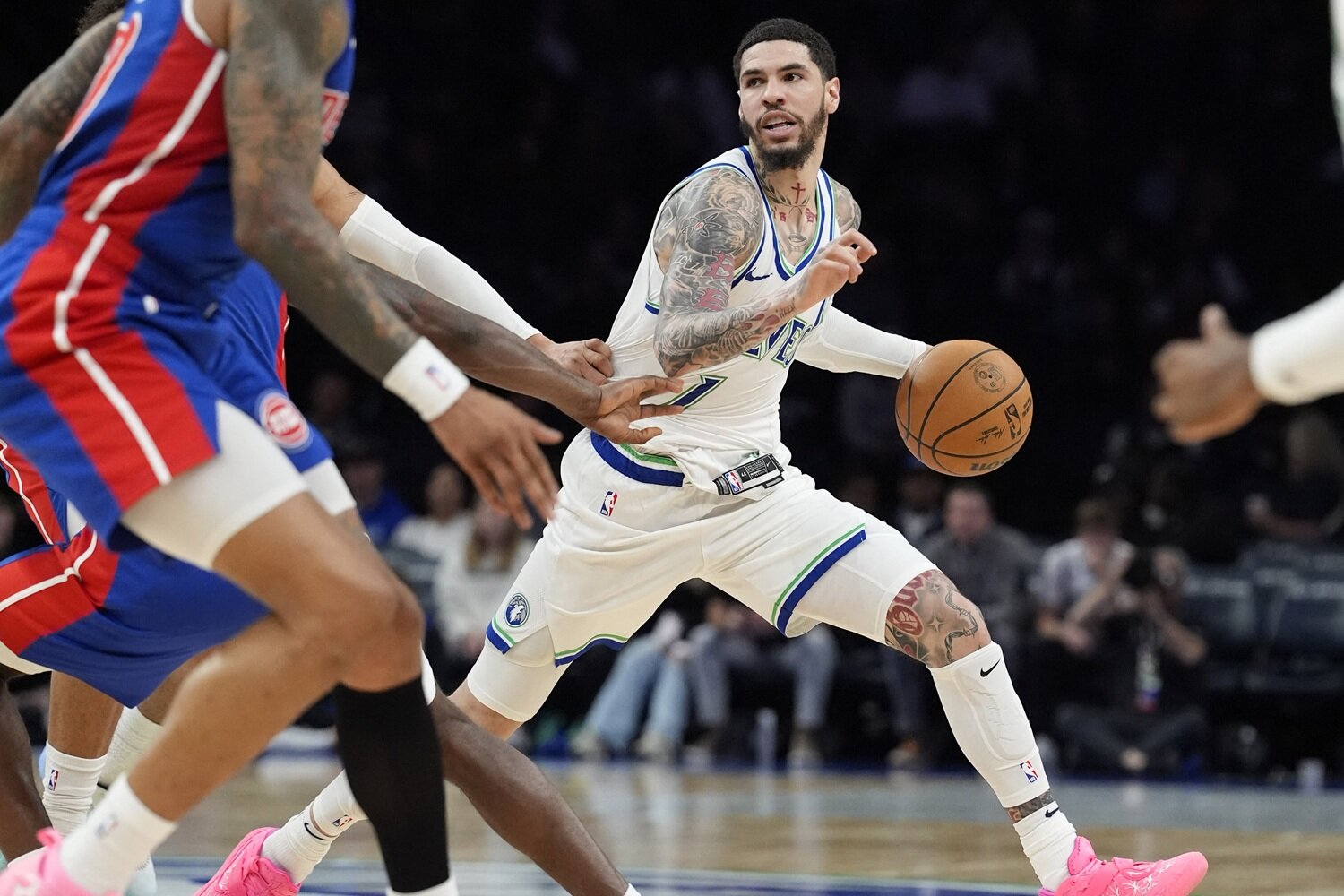
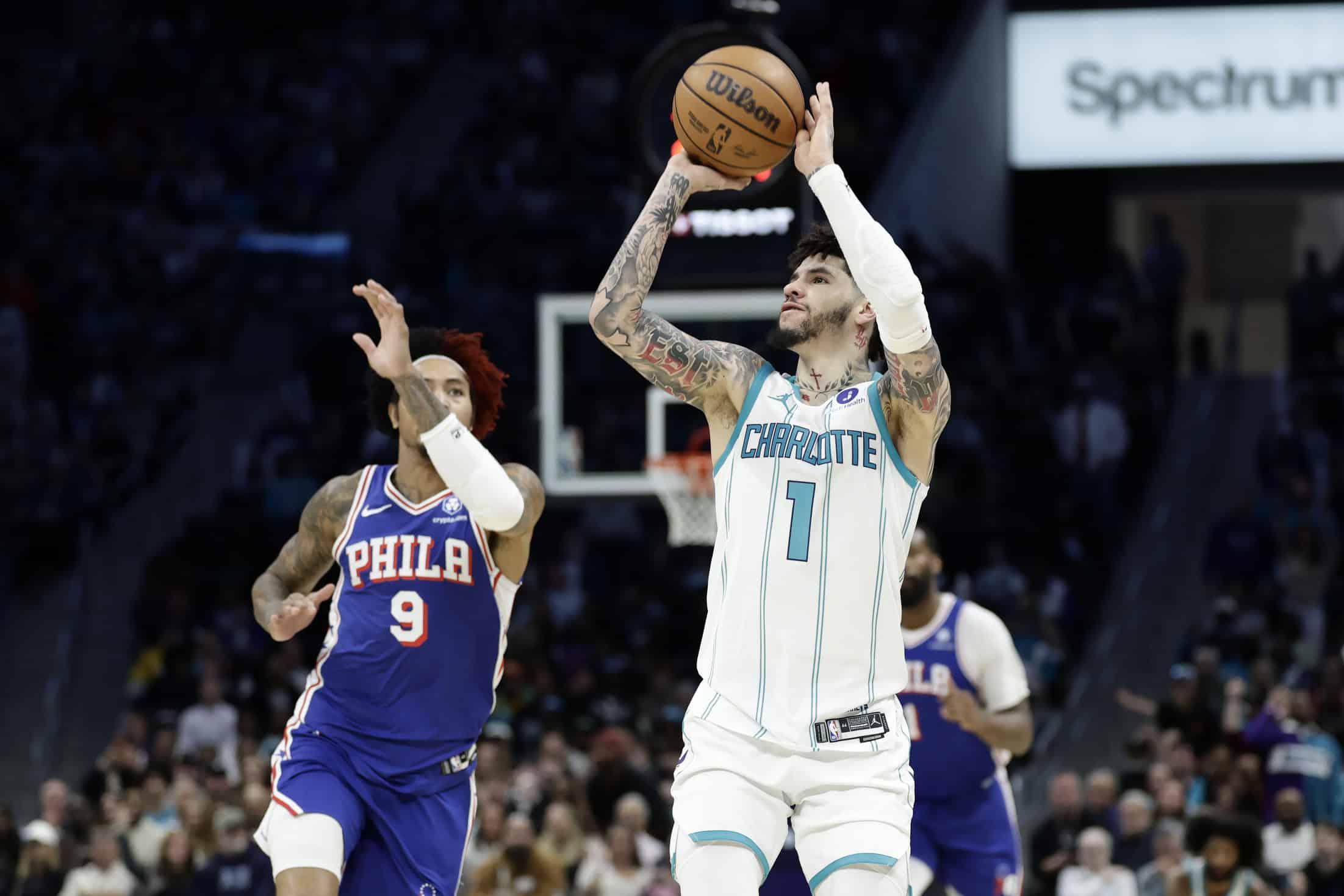
LaMelo Ball will bring three-point shooting firepower and a dynamic to the point guard position that the franchise has never seen. However, the frontcourt will have to adjust to the hole left by trading Naz Reid and Julius Randle. Randle’s exit will benefit the team’s spacing and shot-diet principles, but Reid was key to unlocking more lineups and spacing.
The team will also have to deal with the three-point shooting void left by Donte DiVincenzo while he recovers from his Achilles tear.
3PAr is a good team stat, but it’s more nuanced at the individual level. It’s a much more valuable statistic for role players than it is for stars. When building a successful roster, it’s natural to want the more on-ball-reliant perimeter stars to maintain a balanced shot diet. Ideally, most of their shots come from three-point range.
For example, Anthony Edwards is one of the league’s most prolific three-point bombers. He has averaged 11.1 threes attempted per 100 possessions throughout his career, and 13.9 in 2024-25. However, Edwards has a 3PAr of .424 because of his high shot volume and scoring acumen elsewhere on the floor.
Successful low-shot-volume role players are more likely to have a simplified shot diet, with most shots coming from either the paint or three-point range. That can skew the 3PAr rankings in their direction, and it’s the core reason the league leaders in 3PAr are the players listed below.

Minnesota’s off-season shakeup will make this team hard to decipher. Beyond the player movement, the existing roster will only complicate the 3PAr further. 3PAr isn’t an ultimatum. Shot quality and shot volume still matter. However, given how the Timberwolves have tinkered with their roster, it will be hard to decipher until the team takes the floor next month.
Arrivals:
- LaMelo Ball has a career 3PAr of .546. Last season, he posted a career-high mark with 59.5% of his shot attempts being threes.
- Jonathan Kuminga has a career 3PAr of .263.
- Trey Lyles has a career 3PAr of .464, including .593 in his 3.5 seasons with the Sacramento Kings before he signed with Real Madrid.
Departures/Injured:
- In his 8-year career, DiVincenzo has a 3PAr of .673. In his two seasons with the Timberwolves, DiVincenzo holds a 3PAr of .758. He posted a career-high last season, taking 77.1% of his shots as threes.
- Naz Reid has a career 3PAr of .436. He had a 3PAr of .507 over the last two seasons.
- Julius Randle has a career 3PAr of .249. In his two seasons with the Wolves, he had a 3PAr of .308.
- Mike Conley posted a 3PAr of .596 in his 3.5 seasons with the Timberwolves.
Key Returnees:
- Jaden McDaniels has a career 3PAr of .391 and has seen his 3PAr drop season by season to a career-low of .309 last season.
- Ayo Dosunmu has a career 3PAr of .377.
- Jaylen Clark has a career 3PAr of .437
- Bones Hyland has a career 3PAr of .639.
- TJ Shannon has a career 3PAr of .375
Anthony Edwards and LaMelo Ball’s overall shot volume will carry the bulk of Minnesota’s three-point shooting – that’s a given. However, the concern grows with McDaniels, Dosunmu, Clark, and Shannon.
All of these players, except Shannon, have proven they can shoot above 40% in a season. Their three-point shooting questions center on how they can make defenses react and how willing they are to take these threes.
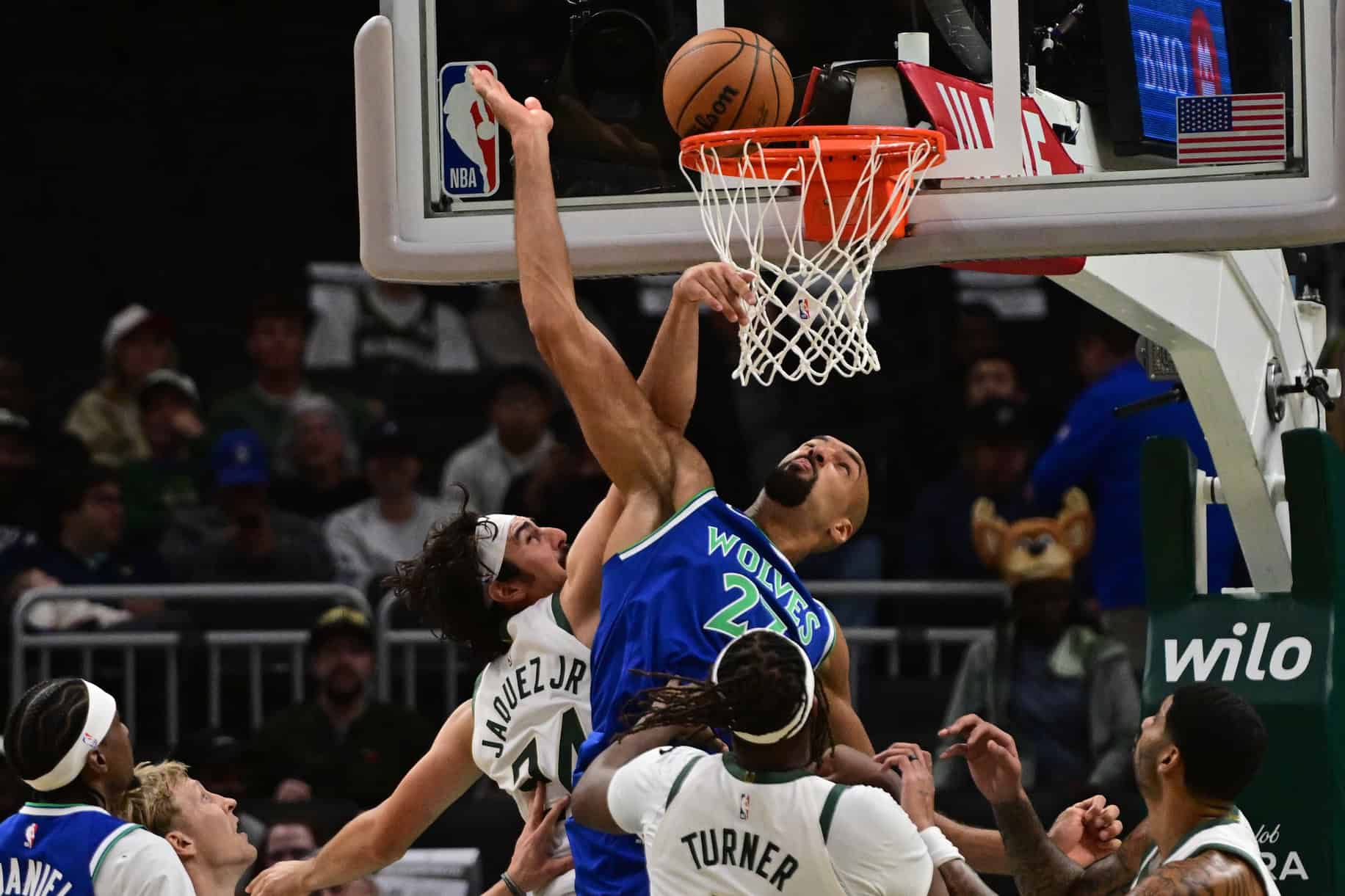
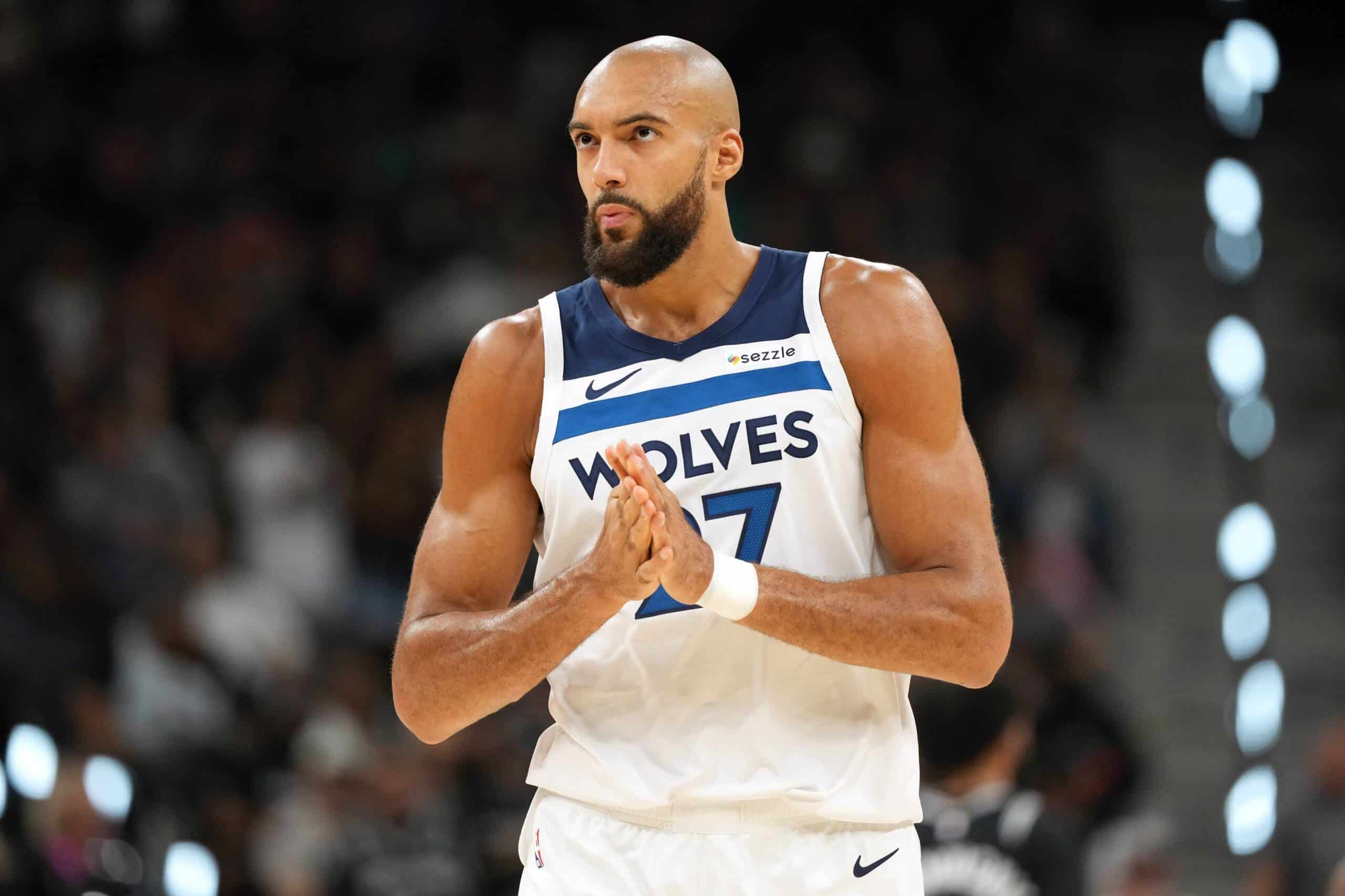
The new Timberwolves frontcourt, likely built around non-shooting threat Rudy Gobert and Jonathan Kuminga, an inconsistent shooter, creates issues for the team. Naz Reid was once the skeleton key, and no one on the current roster can replace him. If the Wolves go small with McDaniels or Clark, for example, opponents are less likely to press them on the perimeter than they would Reid.
If Dosunmu and McDaniels can’t increase their volume as spot-up options, or don’t offer enough production as shooters a pass away from Edwards or Ball, the Timberwolves may experience more volatility throughout the season. Shooting uncertainty is typical for role players. However, if Dosunmu and McDaniels don’t increase their 3PAr and overall volume of shots from beyond the arc, it will only slow down Minnesota’s halfcourt offense.
At minimum, if the duo increases their 3PAr and sees volatility, they’re more likely to get better long-term results, even if their percentages dip.
Adding Kuminga to the Gobert-led frontcourt, along with losing Reid, will change Minnesota’s schematics. Spacing will dip, but that doesn’t mean they cannot find other ways to score efficiently and effectively. It’s ultimately going to come down to the supporting cast of guards and wings being more empowered to attempt more threes.
Think you could write a story like this? Hockey Wilderness wants you to develop your voice, find an audience, and we'll pay you to do it. Just fill out this form.
Recommended Comments
There are no comments to display.