



By Jonah Maves -
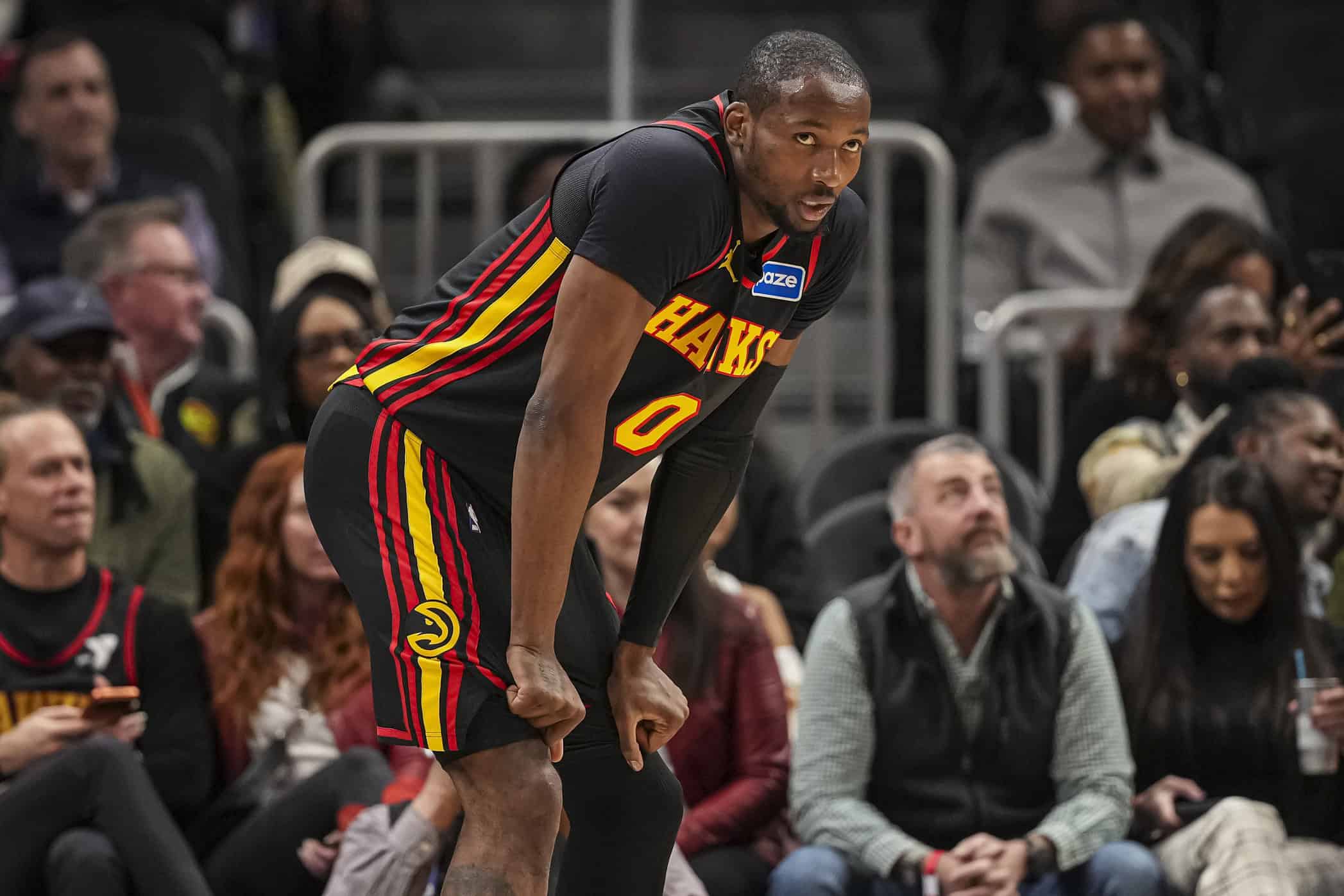
The Minnesota Timberwolves have found frontcourt help. Wednesday evening, Shams Charania announced that former Golden State Warriors and Atlanta Hawks forward Jonathan Kuminga is set to sign a two-year $13 million deal, with a player option for the second year.
https://twitter.com/ShamsCharania/status/2092745214611886216?s=20
In some ways, it’s a homecoming for Kuminga. He eventually became the draft compensation the Timberwolves traded to Golden State with Andrew Wiggins for D’Angelo Russell. Nevertheless, the signing comes down to Kuminga seeking some comfort so he can fully utilize his talents.
The Timberwolves offered Kuminga an opportunity to see real minutes on a team with championship aspirations. It’s also a bet on himself. If all goes well for him, he can decline his player option and hit the open market next summer.
Kuminga fills a need athletically. He offers size and physicality at 6’7”, 225 lbs. The void left behind by Naz Reid and Julius Randle is ultimately too high an expectation to place on Kuminga. However, even at age 23, his talent can drive winning for the Timberwolves.
That strategy is nothing new to Tim Connelly. He typically doesn’t worry about players’ ages. Instead, he focuses on their raw talent and relies on the coaching staff to cultivate it as the season progresses. That strategy puts pressure on Chris Finch to figure it out, and Wolves teams in the past have had growing pains as they adjust.
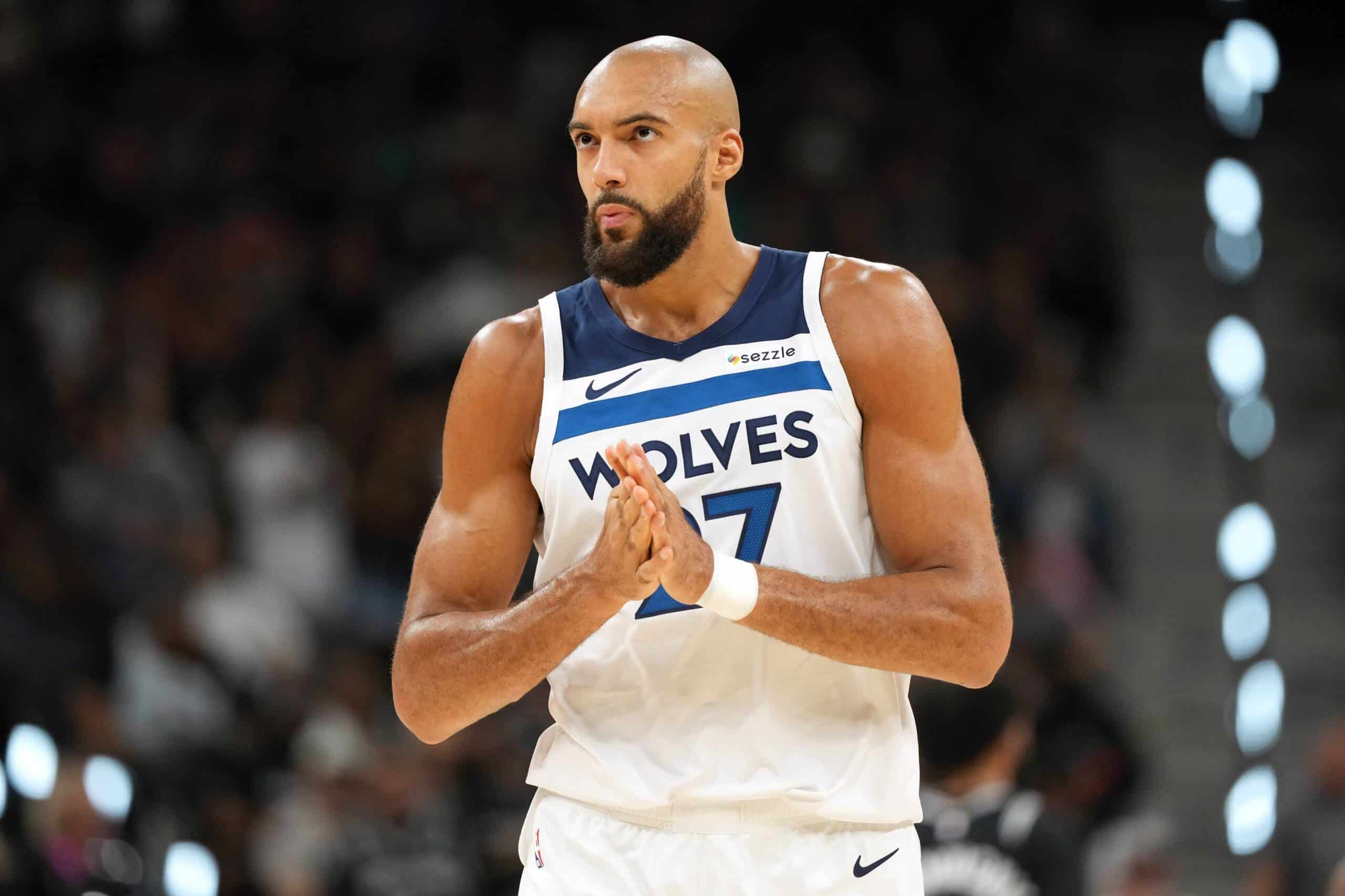
Both of the franchise’s core frontcourt acquisitions, Rudy Gobert and Julius Randle, took over half a season to find rhythm within the roster and the team’s schematics. Connelly’s concept of transactions was more focused on bringing in talent at a reasonable price and maximizing it, even if there are still clear limitations with the player(s).
Jonathan Kuminga fits that bill.
Kuminga wasn’t the ideal fit within Steve Kerr’s split action-based offense. He didn’t have the quick decision-making or passing chops to make quick reads. He also lacked the on-ball consistency to be a scorer. These limitations made it increasingly difficult for Kuminga to find consistent minutes when the Warriors needed him the most.
Kuminga’s lack of form and fit, along with the increasing pressure on the Warriors to give Stephen Curry as much help as possible, eventually led the Warriors to rely on minimum-salary signings and undrafted players in Kuminga’s rotational spot. They did so even though they drafted Kuminga seventh overall in 2021.
As the Timberwolves head into the upcoming season, Kuminga remains a mystery they must solve. It’s hard to argue with Tim Connelly adding another viable rotational option for $6.5 million average annual value. Still, Kuminga’s value to the Wolves ultimately resides in his fit. There’s still some raw talent for the Timberwolves and Chris Finch to work with, but he must carefully manage it.
The Timberwolves have plenty of talent. Still, if they don’t find ways to maintain lineup versatility and counters efficiently, and to cycle through different lineups consistently, they will be relying solely on talent.
Kuminga’s fit is unusual for the Timberwolves. They can cruise to 50 wins in the regular season, and have enough continuity with their Edwards, McDaniels, Gobert, and Finch core. There are still many questions within the schematics of the offense as they turn over the roster.
Kuminga will help shore up the frontcourt issues. However, he exacerbates the existing three-point shooting volume issue and doesn’t add much as a passer.
According to DataBallr, Kuminga has been in the 75th percentile or better in OnBall%, which measures the percentage of time a player possesses the ball while on the court, in all four of his NBA seasons. He hasn’t been efficient in those touches, either.
Jonathan Kuminga has relied on a downhill driving game, where he hasn’t been good enough of a passer to make reads out of his drives. That has also been the bulk of his scoring attempts. In all four of Kuminga’s NBA seasons, he has been in the 31st percentile or worse in three-point attempt rate.
In Kuminga’s lineup data, he has made his unit more turnover-prone. Some of that could highlight Kuminga’s poor fit with the Warriors. Still, much of it comes down to how difficult it can be to fit his archetype into a winning offense.
Kuminga’s poor three-point volume and passing acumen intersection will only add to a bigger issue for the Timberwolves.
The hole left behind by Donte DiVincenzo’s season-ending Achilles tear immediately became evident. Every team would miss DiVincenzo’s ridiculous three-point volume as a pull-up shooter and catch-and-shoot threat. However, it was increasingly evident, given Minnesota’s roster construction last season.
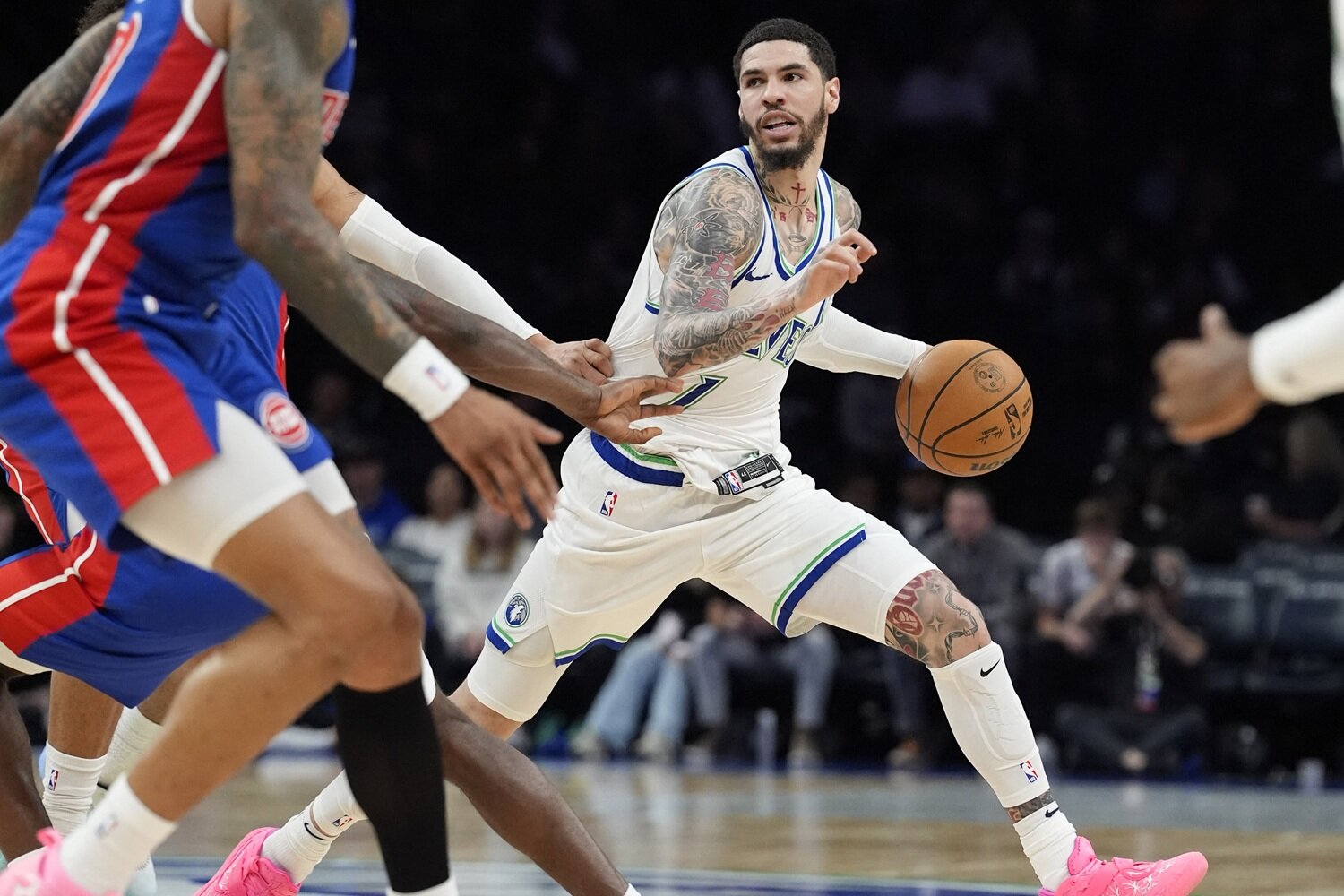
The Timberwolves are fortunate to have one of the league’s best three-point volume shooters, passers, and playmakers in LaMelo Ball. The issue is that Ball and Edwards will have to do some serious heavy lifting for the Wolves as shot creators, whether for themselves or others.
On top of these two issues, the Timberwolves are going to miss Julius Randle’s passing acumen. Randle’s tenure in Minnesota didn’t end on the best of terms. He fizzled out as the regular season ended, and he didn’t make the impact in the playoffs he had to as a star player. Still, it’s difficult to find a newcomer outside of Ball that has any sort of passing instinct.
Ball and Edwards each have outlier seasons in three-point volume: Edwards in 2024-25, Ball in 2025-26, with Edwards shooting 14.0 and Ball 17.9 threes per 100 possessions. Ball also tallied 17 in 2024-25. It’s just a matter of whether it is enough to offset some of the shortcomings of others, like Kuminga.
Chris Finch has a new cheat code offensively in LaMelo Ball, but it’s ultimately going to be another difficult season for Finch to figure out everyone’s fit. The Timberwolves are better off with Jonathan Kuminga than without him. Still, he only adds another layer of developmental difficulty for the team to navigate. It is a worthy gamble at such a low price, but the Wolves have many questions left to answer.
Think you could write a story like this? Hockey Wilderness wants you to develop your voice, find an audience, and we'll pay you to do it. Just fill out this form.

Recommended Comments
There are no comments to display.