




By Logan Harlow -
What Chris Finch is asking of Jonathan Kuminga will define his first season in Minnesota. Kuminga knows he can score. Finch wants to make sure he can do everything else, too.
Since he arrived in Minnesota, Kuminga’s talks with Finch have centered on two things: Defending at a high level and rebounding. Kuminga said Finch wants him to focus on those areas because doing them well will help the Minnesota Timberwolves and improve his game.
For a player entering his sixth NBA season and joining a Timberwolves team with plenty of offensive talent, Finch’s expectations are pretty straightforward.
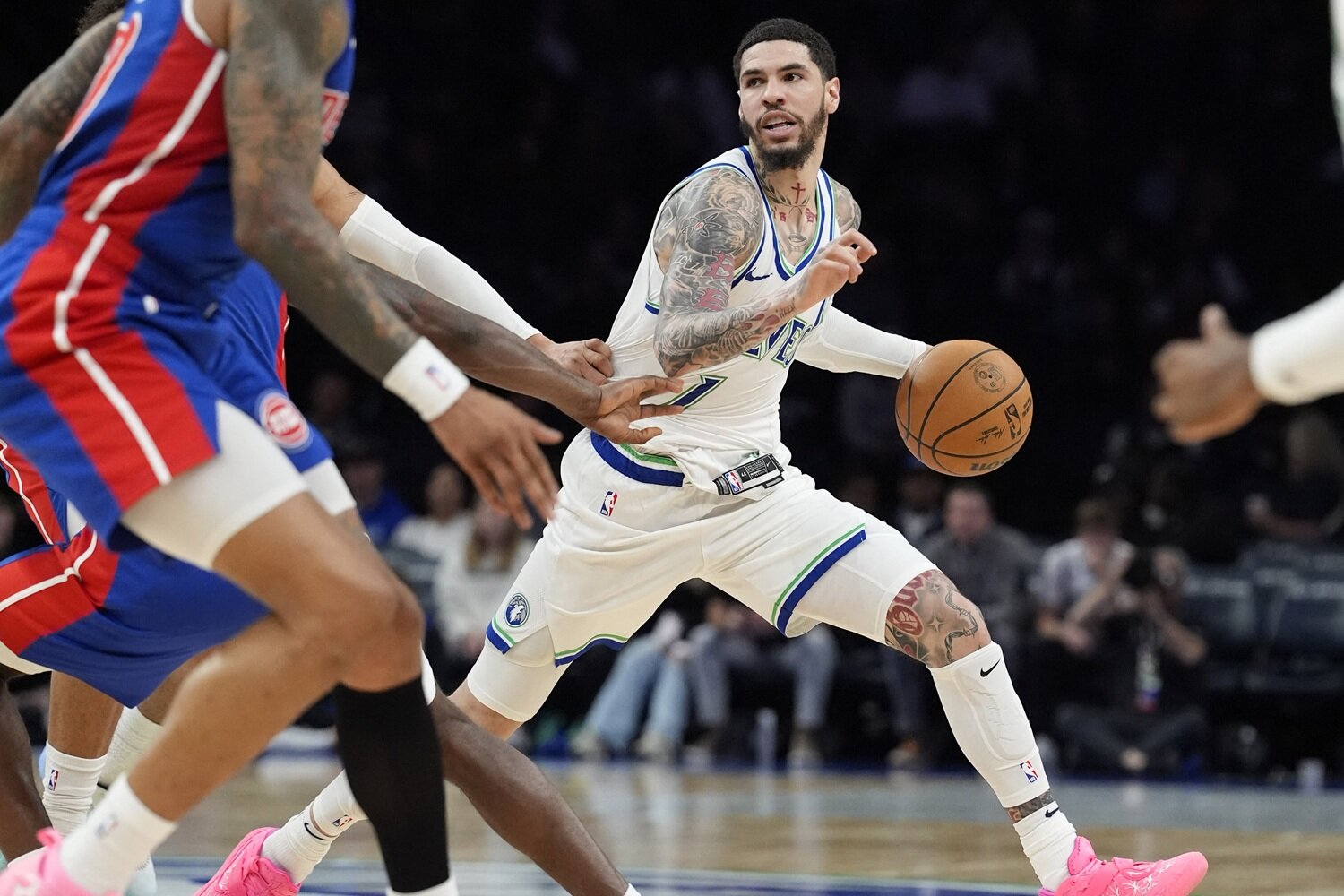
Jonathan Kuminga doesn’t need to come to Minnesota and immediately prove he can score 20 points a night. The Wolves already have Anthony Edwards, LaMelo Ball, and even Jaden McDaniels to carry most of the scoring. What they need from Kuminga is someone who can make an impact when the ball isn’t in his hands.
Kuminga’s athleticism has never really been in question in his career. His ability to get downhill, finish around the rim, and create his own shot has been on display throughout his NBA career. But Minnesota is asking him to become more than just another scorer. Kuminga has already shown Wolves fans exactly what he can do offensively.
When the Golden State Warriors faced Minnesota in the 2025 Western Conference semifinals, Kuminga took on a much higher usage rate after Steph Curry’s injury and averaged 20.8 points per game while shooting an efficient 54.3% from the field. He scored at least 23 points in three of the five games, including a 30-point performance in Game 3 and 26 points in Minnesota’s closeout Game 5.
https://www.youtube.com/watch?v=y1Vt7ikiZ6s
That series was one of the clearest examples of Kuminga’s full offensive potential. Minnesota had to deal with his physicality and ability to attack the basket. Now the same player who gave the Wolves problems is being asked to help solve some of those problems from the inside.
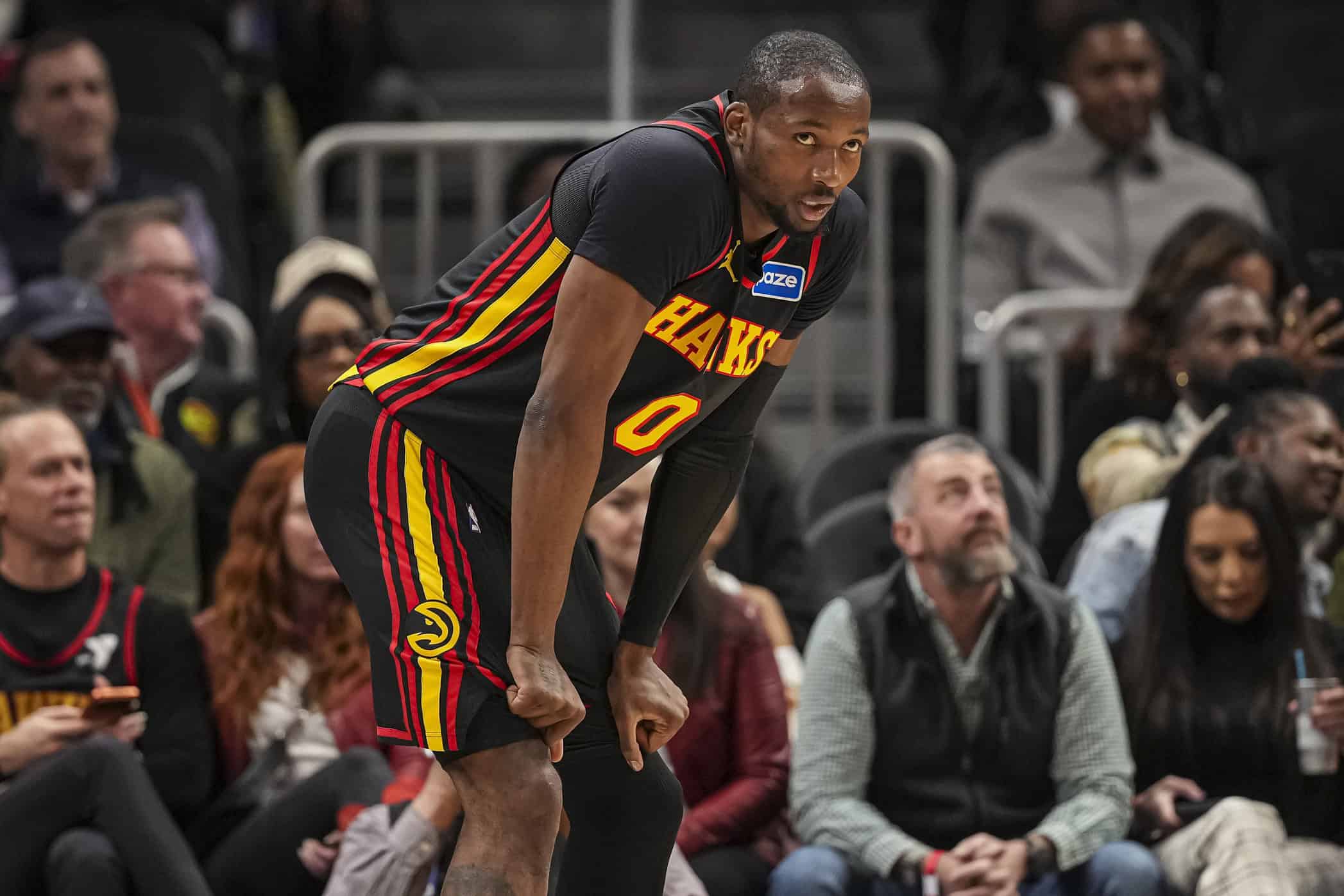
Jonathan Kuminga got another opportunity to show what he could do in the playoffs this past season with Atlanta. He averaged 13.7 points in six games against the New York Knicks, including 19 points in Game 2 and 21 points in Game 3.
But Finch isn’t asking Kuminga to come to Minnesota and only keep doing what he’s always done. That’s what led to his trouble finding consistent playing time in the past. He’s asking him to become more complete, and defense needs to be the biggest part of that transition.
https://www.youtube.com/watch?v=Mqj1nSTcJNw&t=10s
Kuminga’s high-end athleticism gives Minnesota another player who can defend multiple positions. Atlanta saw that during its playoff series against New York, when Kuminga spent a lot of time defending Karl-Anthony Towns and helped make things difficult for the Knicks’ offense. Kuminga was a big reason they pushed the Knicks further than any other team last season. That’s the type of defensive impact Minnesota wants to see consistently.
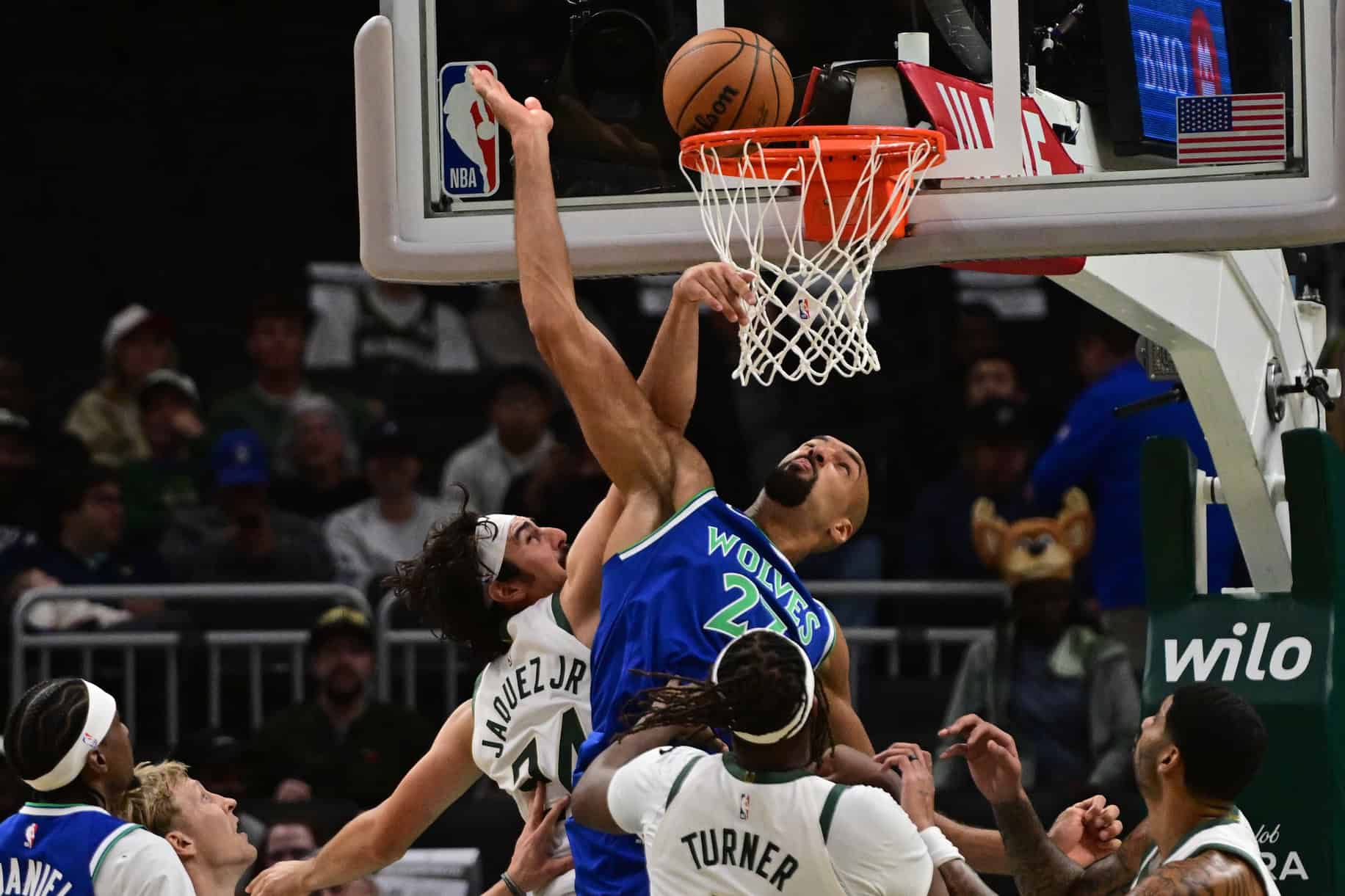
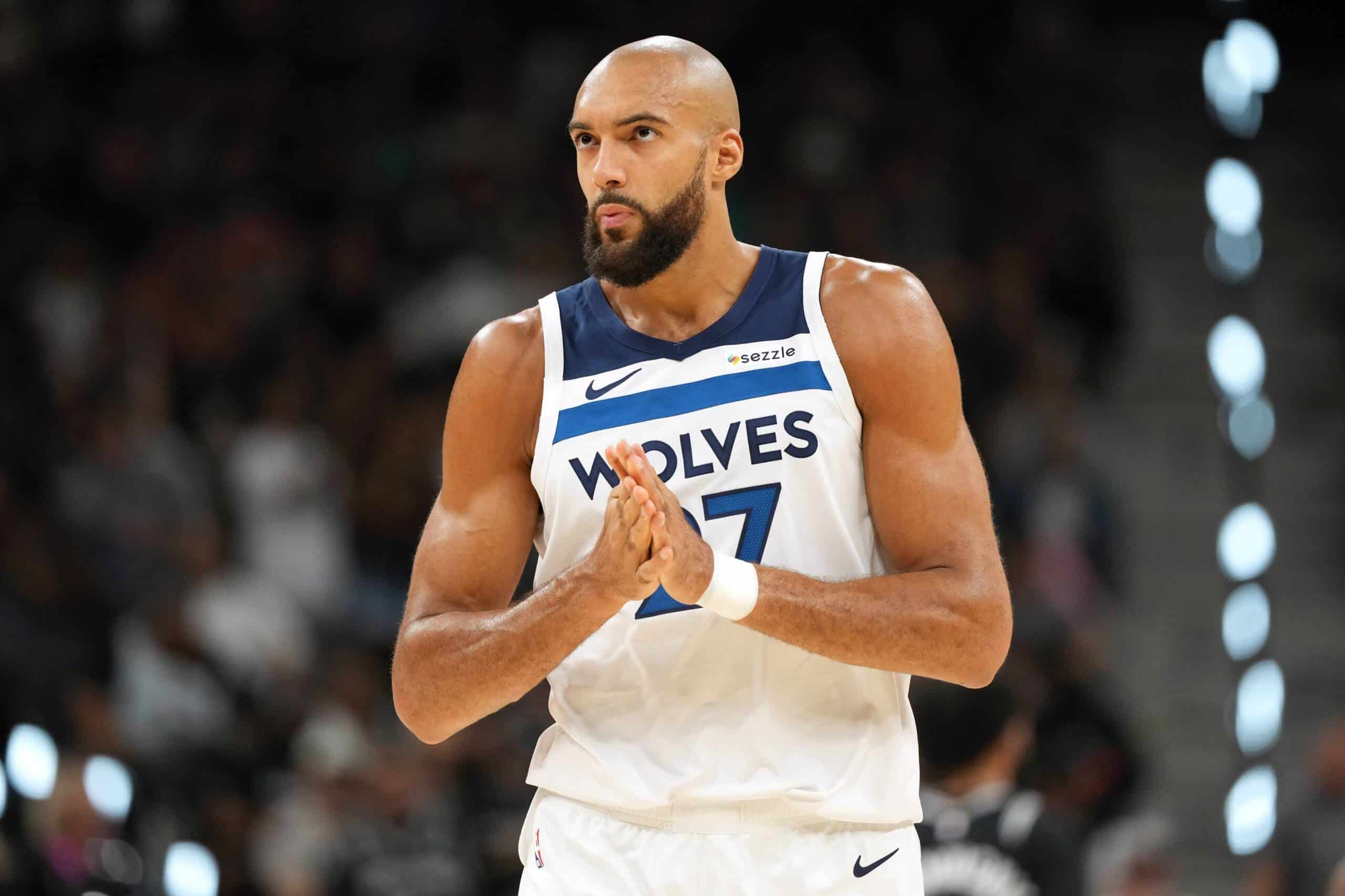
That means Kuminga must stay disciplined, fight through actions, rotate when necessary, and use his size and quickness without constantly reaching or gambling. If he can do that, he can become another versatile defender next to Jaden McDaniels and Rudy Gobert.
Then there is the other part of Finch’s message: to rebound consistently. Kuminga averaged 5.6 rebounds per game last season. Still, Finch wants that to become a priority rather than something that happens naturally, which could be especially important for Minnesota’s success this year. After losing Randle and Naz Reid, they lost a lot of forward depth and rebounding beyond what Rudy provides.
The Wolves have changed a lot of their roster, and Kuminga is being asked to fill a role that requires him to be physical around the basket. Rebounding gives him a way to impact the game without needing Finch to call a play for him.
Another benefit is that Kuminga can become a stronger rebounder. Once he gets the ball, he can use the athleticism that made him such an intriguing offensive player in the first place.
His defensive rebounds can become a deadly transition opportunity. A transition opportunity can become a Kuminga dunk or an open shot for one of Minnesota’s other scorers. That’s why Finch’s expectations don’t necessarily mean Kuminga won’t be a factor offensively.
Kuminga doesn’t need to chase shots or force himself into the offense. If he defends, rebounds, and runs the floor, opportunities will come.
The Wolves want the version of him that can impact a game even when he isn’t scoring. For Kuminga, that could be the biggest difference between having offensive potential and becoming the player Minnesota believes he can be.
Jonathan Kuminga doesn’t need to prove that he can score. He has already done that. Now Chris Finch wants him to prove he can defend, rebound, make winning plays, and fit into the team’s identity. The playoffs showed Minnesota what Kuminga can do with the ball. Now, it’s time to find where he truly belongs in a winning organization.
Think you could write a story like this? Hockey Wilderness wants you to develop your voice, find an audience, and we'll pay you to do it. Just fill out this form.

Recommended Comments
There are no comments to display.