




By Charlie Walton -
Chris Finch believes every single minute during NBA games is valuable. Even the minutes late in blowout games, when both teams have emptied their benches and half the arena has already left.
Those minutes are important because they provide young players deep on the bench an opportunity to get extended run. They are especially valuable for players in Finch’s system, who need every opportunity possible to prove to their head coach that they deserve rotation minutes.
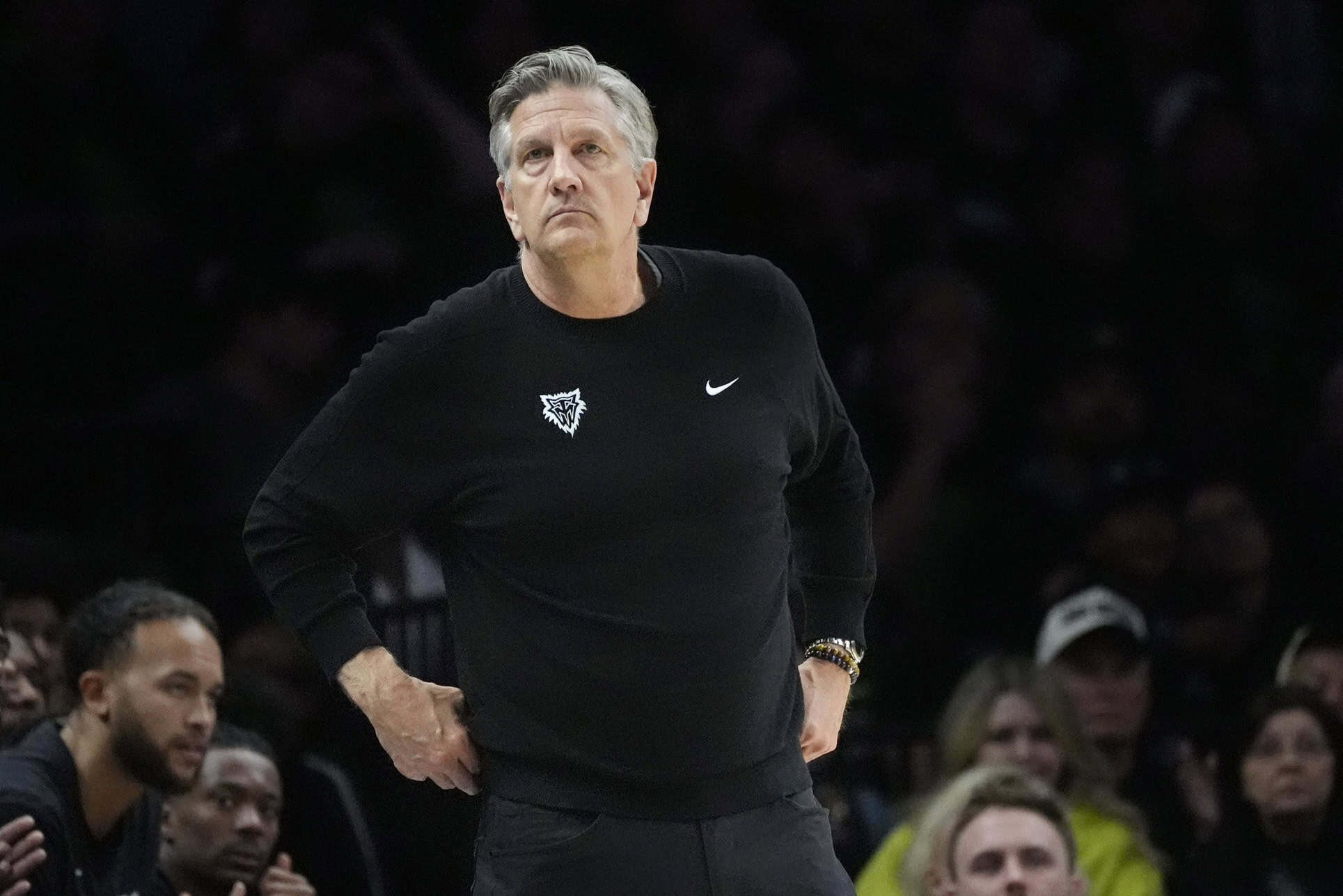
Finch is an old-school coach. He rarely ever looks happy on the sideline during Minnesota Timberwolves games. He will be brutally honest during film sessions. Finch also doesn’t gift-wrap minutes to young players. He holds them to high standards, perhaps too high according to some.
However, Finch’s development strategy makes sense, given they are trying to win a championship. Finch is trying to make the most of every minute of every game along the way.
He also isn’t quite as conservative-minded as many might think.
“When you are trying to win a championship or play at the very top of the league, there really are no meaningless minutes,” Finch said during his exit interview in May. “There is sometimes this mantra that you can award minutes or give minutes. It’s not. Especially in the West, it’s so tough. Two wins separate home court from the Play-In game or something like this. So you feel that pressure all through the season.”
For all the playoff success the Timberwolves have had in their six years under Finch, the narrative against the 56-year-old coach is that he does not play his young players enough and holds them to unfairly high standards, which leads to them not developing properly in his system.
That narrative was bolstered amongst some fans last week when Finch joined KFAN’s Paul Allen on his radio show and provided an update on how Isaiah Evans, whom the Wolves selected No. 33 out of Duke in this year’s draft, has looked this summer. Finch said he received a report card from Paris, where the team had recently been training together, stating that Evans looked really good and just needed some coaching.
“We are definitely going to take a bit of a longer runway with him,” Finch said on KFAN. “We are not going to rush anything. But he is going to have every opportunity to earn his chances through training camp; we know that.”
Evans made the second-most threes in the ACC last season. He was the only green room invitee on draft night this year to fall to the second round. The Wolves feel fortunate that Evans fell to them at 33, and they are intrigued about his future with the team. However, Evans did nothing at the Las Vegas Summer League to prove the Wolves should expedite his pathway into their rotation.
https://twitter.com/Timberwolves/status/2077477782423220672?s=20
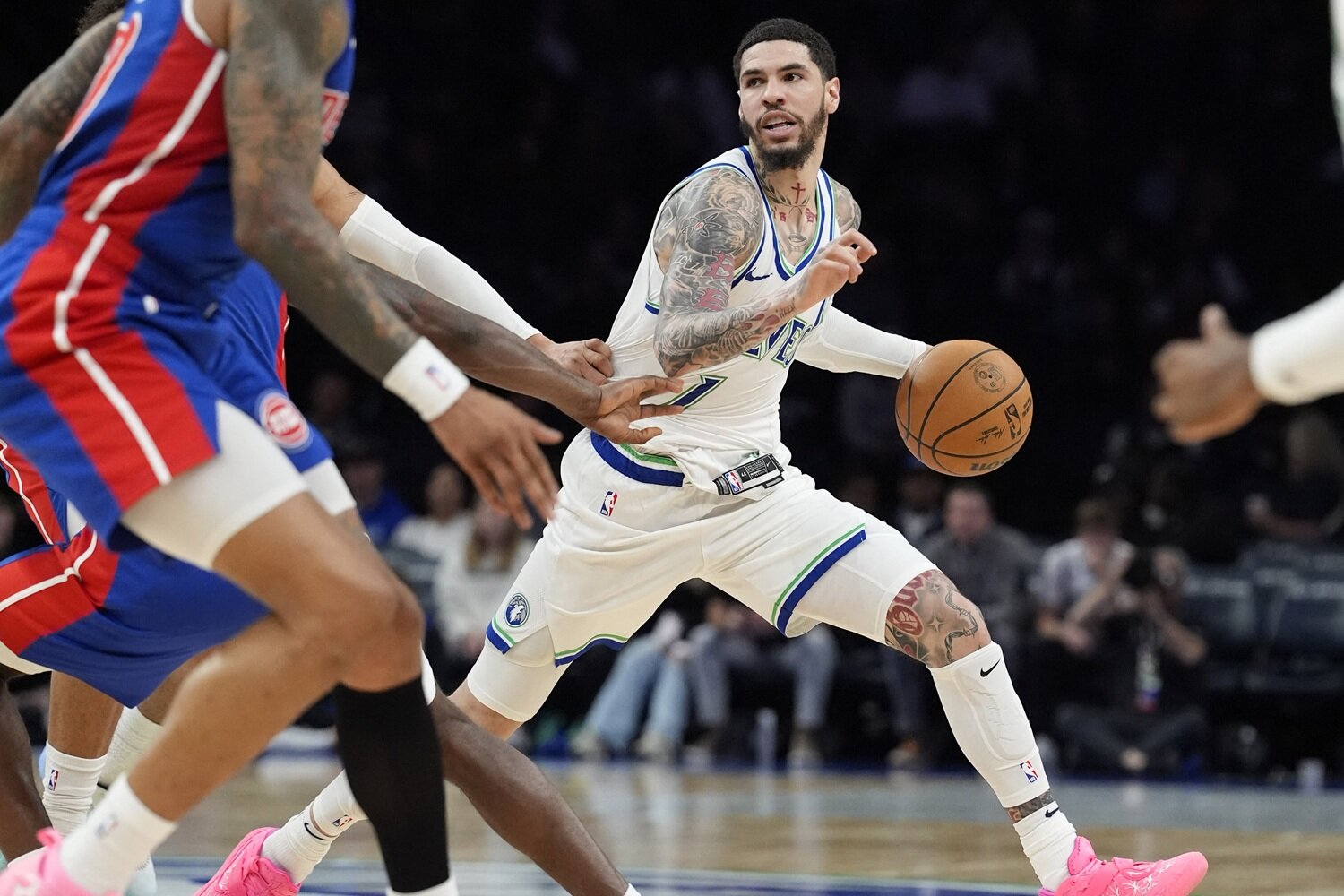
Evans shot 32.5% from the floor and 26.7% from deep over three games. He defended well, but most of his shots came up short, and he didn’t dominate in the way that NBA-ready players do against Summer League competition. But that’s not a concern entering next season. With LaMelo Ball, Anthony Edwards, and Bones Hyland, the Wolves do not need Evans’ score-first skill set in their backcourt immediately.
Conversely, at this time last year, the Wolves needed to find another guard for their rotation. Finch gave second-year guard Rob Dillingham a legitimate shot at winning Minnesota’s backup point guard role, playing him in 20 straight games early in the year. But by mid-December, Dillingham — who the Wolves selected No. 8 out of Kentucky in 2024 — was still struggling. Hyland beat out Dillingham for Finch’s second-string PG. Two months later, the Wolves shipped out Dillingham, Leonard Miller, and four second-round picks to the Chicago Bulls for Ayo Dosunmu.
Miller, Minnesota’s No. 33 overall pick in 2023, got even fewer opportunities than Dillingham to prove himself with the Wolves. That was largely due to the forward and center depth the Wolves had with Miller on the roster. Still, when he got playing time — either in the NBA or in the G-League — Miller’s offense popped, but he never seemed committed defensively.
For young players, defense will earn them Finch’s trust far more quickly than their shot-making will. Dillingham was a defensive liability; Miller never leveraged his 6’11” frame well on defense. Additionally, Luka Garza and Josh Minott — two other young players buried deep in Minnesota’s frontcourt depth who are now on different teams — were not productive defenders.
It can frustrate fans when Finch sits down Dillingham, Miller, or Minott after one bad defensive sequence but lets Anthony Edwards or Julius Randle stay on the court after they do the same thing. However, it is unfair to compare those two decisions. Edwards and Randle carried Minnesota’s offense. Finch needed them on the court for far more reasons than he needed Dillingham, Miller, or Minott.
Finch has led the Wolves to five playoff appearances in his six years with the team, and they advanced past the first round in the last three. He’s coaching a team with championship aspirations.
If he were coaching, say, the Memphis Grizzlies, Finch would probably give his young players more room to run and a greater margin for error. But the pressures on Finch to maximize Edwards’ prime and consistently put the best players around him naturally decrease his patience with young players.
And that’s a good thing for Minnesota’s success and for the young players, because they are learning the narrow margin for error that comes with being a role-playing rotation player on a winning NBA team.
During the first round of last season’s playoffs, Finch called out Terrence Shannon Jr. — Minnesota’s No. 27 overall pick from 2024 — for his poor defense.
“I don’t clean it up, he cleans it up,” Chris Finch told the media. “The only way I can clean it up is by sitting him on the bench.”
Ultimately, Finch never benched Shannon because of his defense. He continued to play him out of necessity as the Wolves were battling through injuries. Shannon provided the Wolves with on-ball scoring that helped them advance past the first round. He started three playoff games, combining improved defense with his aggressive offense. He carved out a future for himself with the Wolves during that stretch. Now, Shannon enters this season as a key fixture of Minnesota’s rotation.
https://twitter.com/CharlieWaltonMN/status/2052936475683983633?s=20
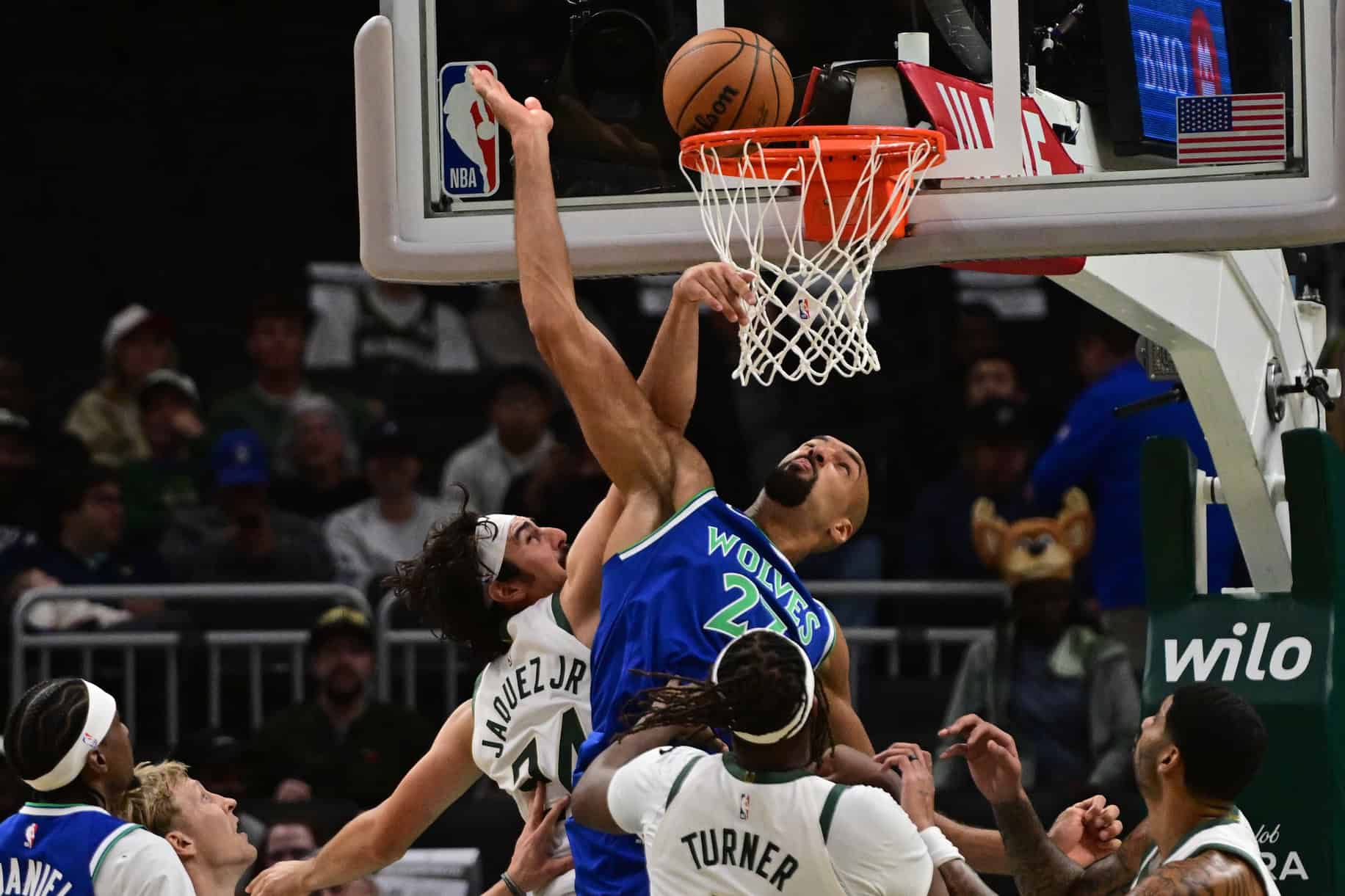
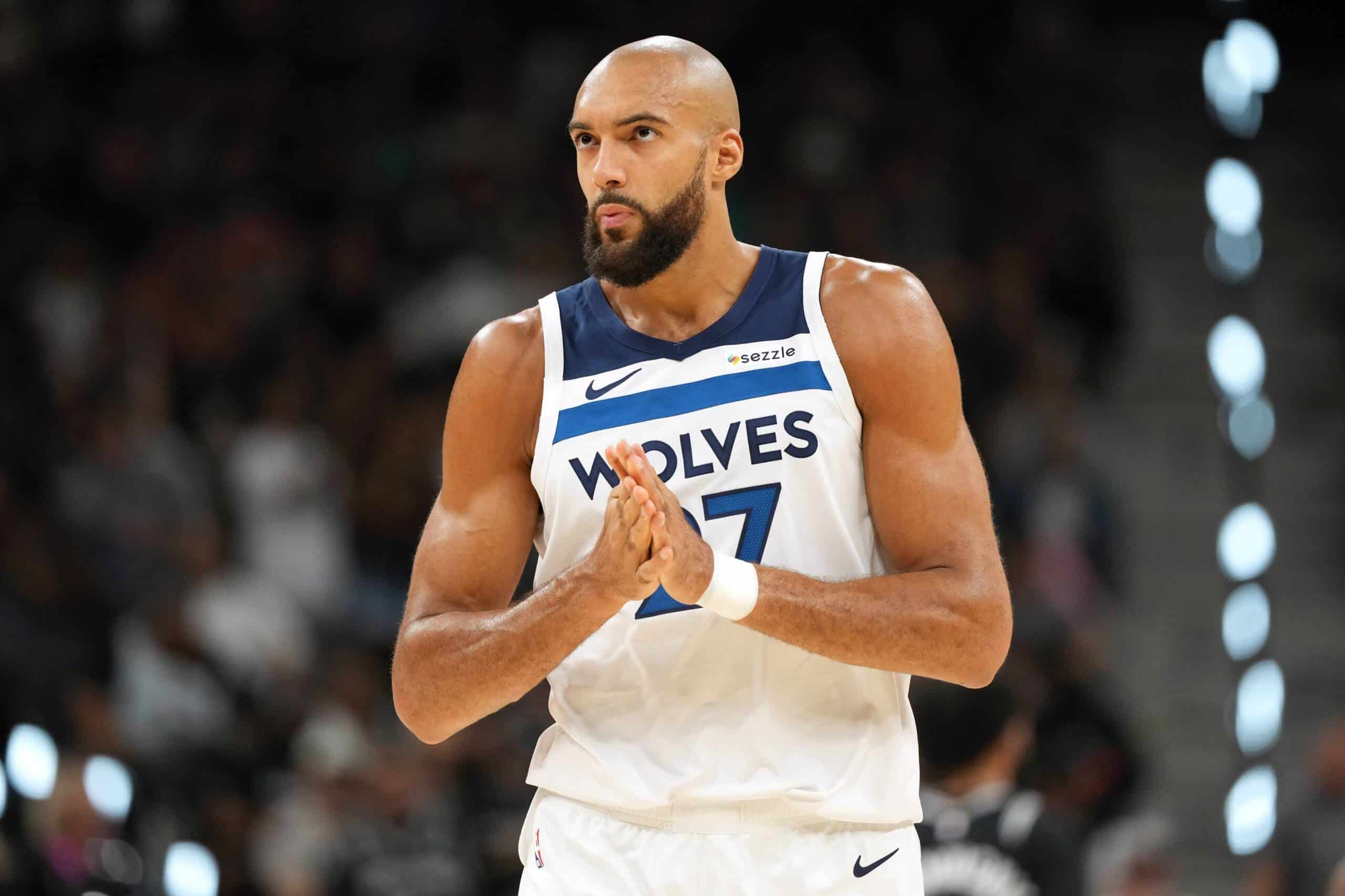
Finch will also turn to Joan Beringer, whom he is very excited about, this season to play an important role as a backup to Rudy Gobert in his rotation. After Beringer’s success last season, the Wolves wanted to find ways to give him a bigger role this year, and they did that by trading Randle and Naz Reid for Ball.
If Beringer meets the expectations the Wolves have for him, he could join the list of young players who have blossomed into high-end NBA talent under Finch. This list includes Edwards, Jaden McDaniels, Nickeil Alexander-Walker, and Reid.
Those are pretty good success stories for a coach who can’t develop young talent.
Beringer and Shannon appear ready to be the next players on that list. Perhaps Jaylen Clark, with his rugged defense, continues growing and becomes another long-lasting success story for Finch.
Evans, who has yet to play an NBA game, will begin his career playing primarily “garbage” minutes. However, that time will be beneficial for Evans in proving to Finch that he can contribute to the rotation sooner rather than later. Finch has never gift-wrapped minutes to his young players. He makes them earn it, and will only play them when the need is absolutely obvious.
Sometimes, that can be frustrating for fans, especially when games are out of reach, and Finch keeps his rotation on the court instead of turning to his young guys. But he is an old-school coach who holds his players to high standards. That’s a good thing for a championship-aspiring team and for the young players who are getting rigorous instruction early in their pro careers.
Think you could write a story like this? Hockey Wilderness wants you to develop your voice, find an audience, and we'll pay you to do it. Just fill out this form.

Recommended Comments
There are no comments to display.