



By Eric Forga -
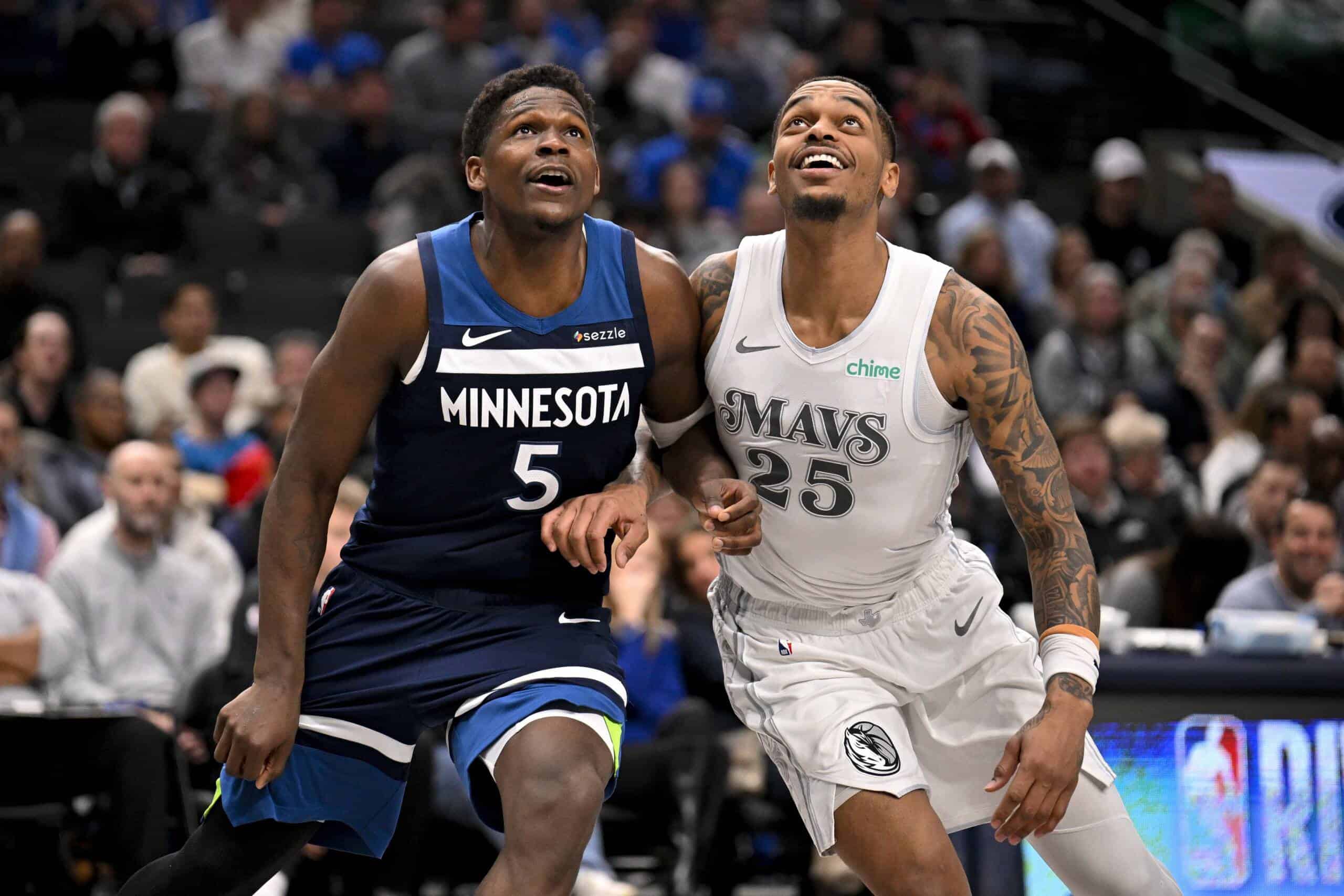
The Minnesota Timberwolves moved on from Naz Reid and Julius Randle in the offseason, creating a hole at the 4. P.J. Washington deserves to be near the top of the list of possible replacements. He would not replicate either player perfectly, but Washington brings the kind of two-way, low-maintenance offensive game that could fit smoothly beside Anthony Edwards, Jaden McDaniels, and Rudy Gobert.
Washington is coming off a 2025-26 season in which he averaged 14.2 points, 7.0 rebounds, 1.8 assists, 1.0 steal, and 1.1 blocks in 31 minutes per game for the Dallas Mavericks. He also shot 45.0 percent overall and 32.5 percent from three on 4.2 attempts a night. At 6’8″, 230 lbs., he has the strength to play power forward while retaining enough mobility to defend wings and operate in faster lineups.
P.J. Washington has the kind of skill set that Minnesota is missing. Randle was a powerful ball-handling scorer who could manufacture points in the halfcourt. Trading Reid removed one of the league’s more dynamic scoring big men and an important source of shooting off the bench. Washington is not a high-volume creator like Randle, nor is he the instant-offense big Reid can be. Still, he may be a cleaner fit in an Edwards-centered offense.
The Timberwolves don’t necessarily need their next power forward to demand the ball. They need someone who can punish defensive rotations Edwards creates, keep the floor spaced enough for Gobert’s rim runs, rebound his position, and make defenses pay for ignoring him. Washington checks many of those boxes.
https://www.youtube.com/watch?v=reA7sxiRkJA
He can operate as a spot-up shooter, especially from the corners, while also attacking a hard closeout with one or two dribbles. That’s a valuable skill for Minnesota because opponents will load up on Edwards in isolation and pick-and-roll situations. When Edwards draws two defenders, Washington would have opportunities to either catch and shoot, drive into open space, or make the simple extra pass.
That offensive simplicity should not be mistaken for a lack of value. Washington averaged 14.2 points despite being a complementary player in Dallas. He has shown that he can contribute without hijacking possessions, a trait Minnesota would need after trading two frontcourt players who could command touches.
There’s also a useful contrast between Washington and the players he would replace. Randle’s offense often starts with the ball in his hands, while Reid can create mismatches with his scoring versatility. Washington would instead make the Wolves more direct: Edwards initiates, Gobert screens and dives, McDaniels cuts or spaces, and Washington fills the open gap as a reliable release valve.
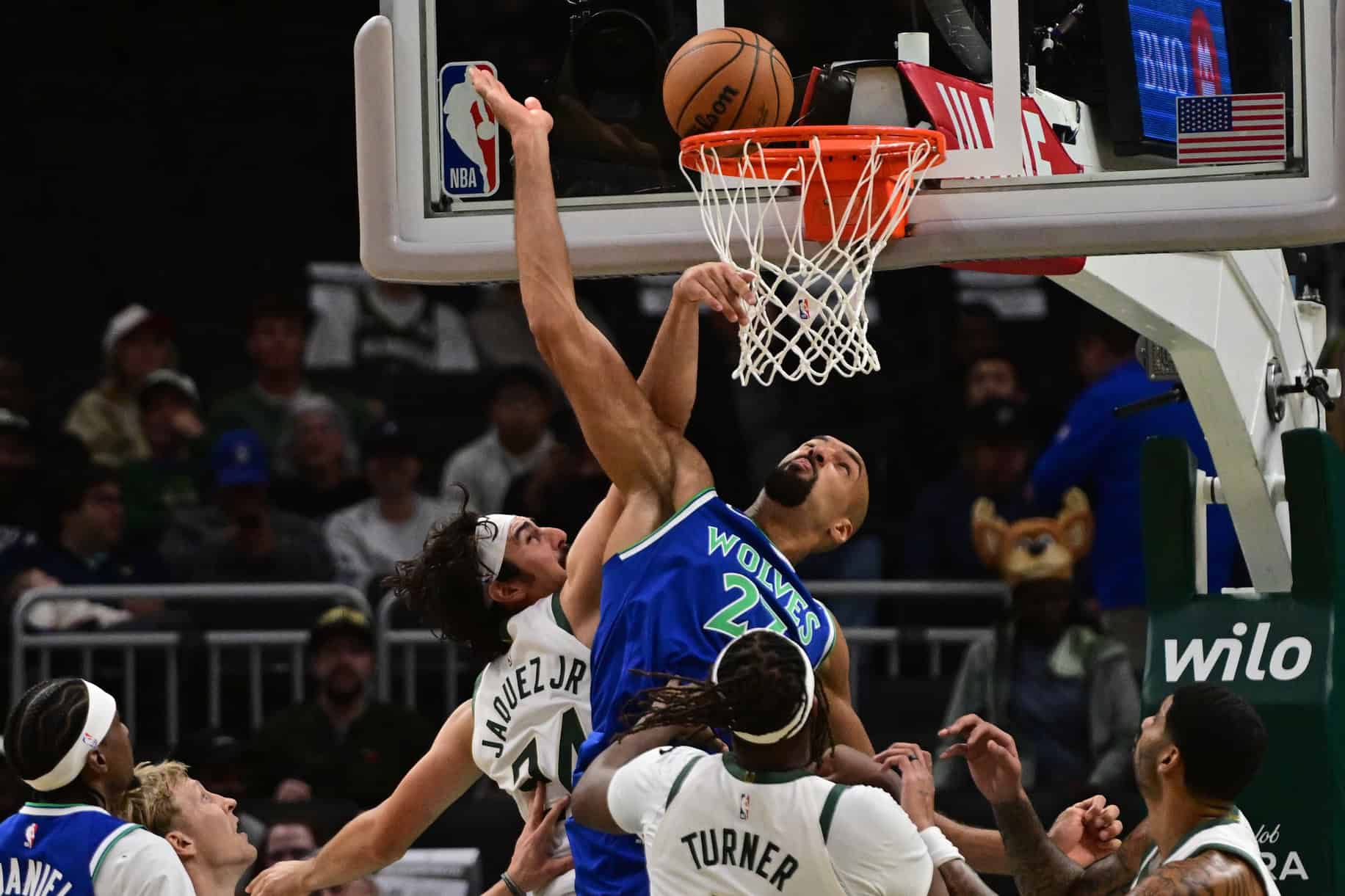
Washington’s most important value might be the fact that his game is not limited to shooting. He averaged 7.0 rebounds last season, including 1.5 offensive boards per game, while adding a steal and 1.1 blocks per contest. That production would help Minnesota withstand the loss of frontcourt depth without asking Gobert to handle every rebound or every interior defensive responsibility.
A Gobert-Washington pairing could also make sense defensively. Gobert can remain near the basket as the back-line anchor, while Washington handles more of the physical work against opposing power forwards. He’s sturdy enough to battle bigger frontcourt players, but mobile enough to switch on shooters, close out, and survive in more aggressive coverage.
That flexibility becomes especially important in the postseason. Minnesota has already built its identity around length, physicality, and defensive pressure. Adding Washington would preserve that identity rather than forcing the Wolves into a smaller, offense-only answer at the four.
The issue is that Washington would not be a cheap acquisition. He signed a four-year extension worth roughly $89 million in September 2025, and the deal runs through 2029-30. His 2026-27 salary is listed at about $19.8 million, meaning Minnesota would likely need to match meaningful money and give Dallas a reason to part with a productive 27-year-old forward.
The three-point shooting is another variable. Washington’s 32.5 percent mark last season was respectable enough to keep defenses aware, but it isn’t elite spacing. The Wolves would be betting that cleaner catch-and-shoot opportunities next to Edwards could lift that efficiency.
Still, Washington represents the kind of realistic target the Timberwolves should pursue. He would add rebounding, defensive versatility, positional size, secondary scoring, and functional spacing without taking the offense away from Edwards. Replacing Reid and Randle will require more than one transaction. Still, Washington could provide a stable starting point at the power-forward spot, and a winning fit for Minnesota’s roster next season.
Think you could write a story like this? Hockey Wilderness wants you to develop your voice, find an audience, and we'll pay you to do it. Just fill out this form.

Recommended Comments
There are no comments to display.