




By Eric Forga -
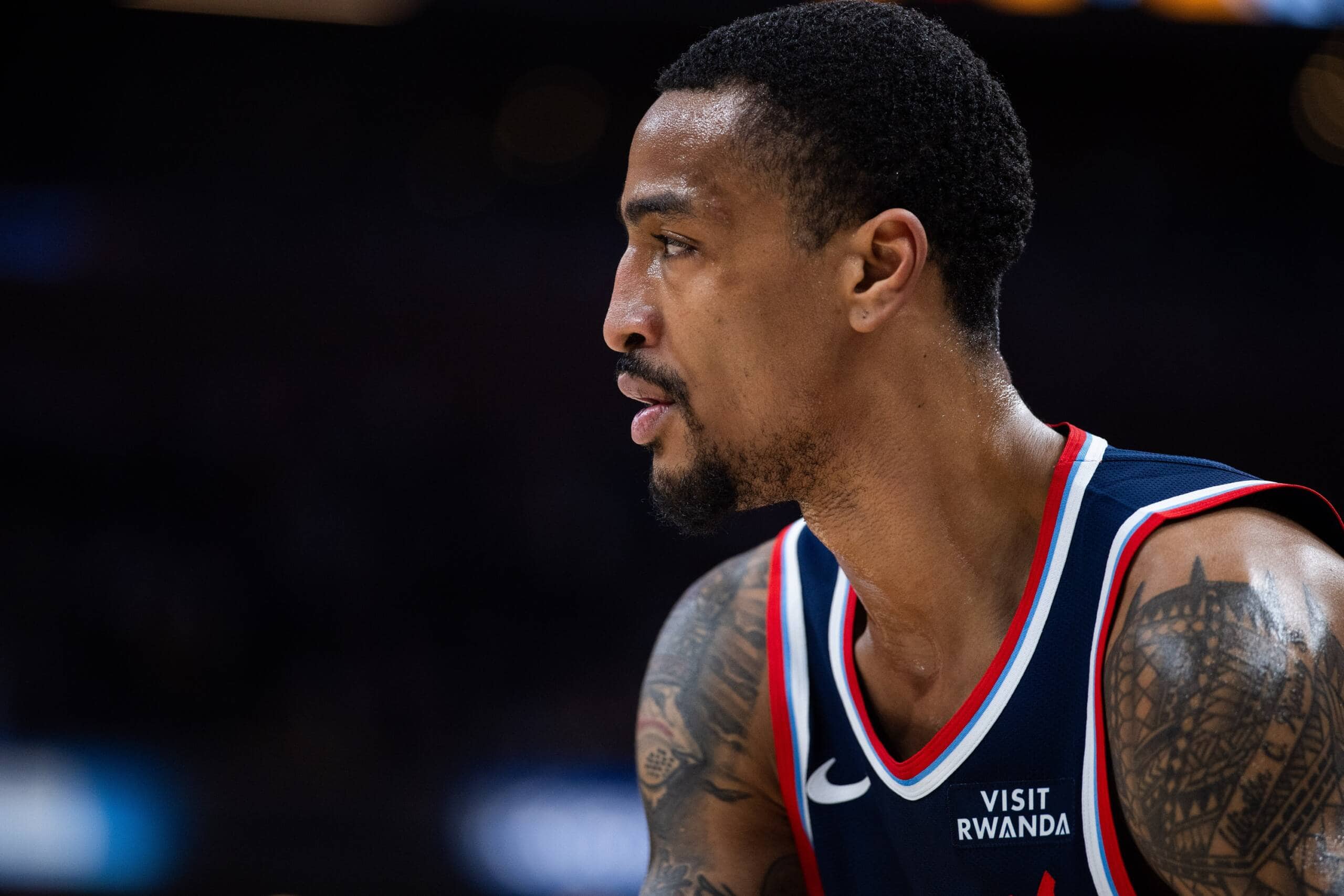
The Minnesota Timberwolves should make John Collins their top power-forward target after moving Naz Reid and Julius Randle. Collins would not reproduce every element of either player’s game. Still, he offers an important skill set Minnesota now lacks: frontcourt scoring, credible three-point shooting, vertical athleticism, and dependable rebounding from the 4 spot.
John Collins has reportedly drawn interest from Minnesota. The team’s financial constraints make a deal difficult, though not impossible. The Wolves’ trades of Reid and Randle stripped the roster of two productive, physical forwards who could create offense in very different ways.
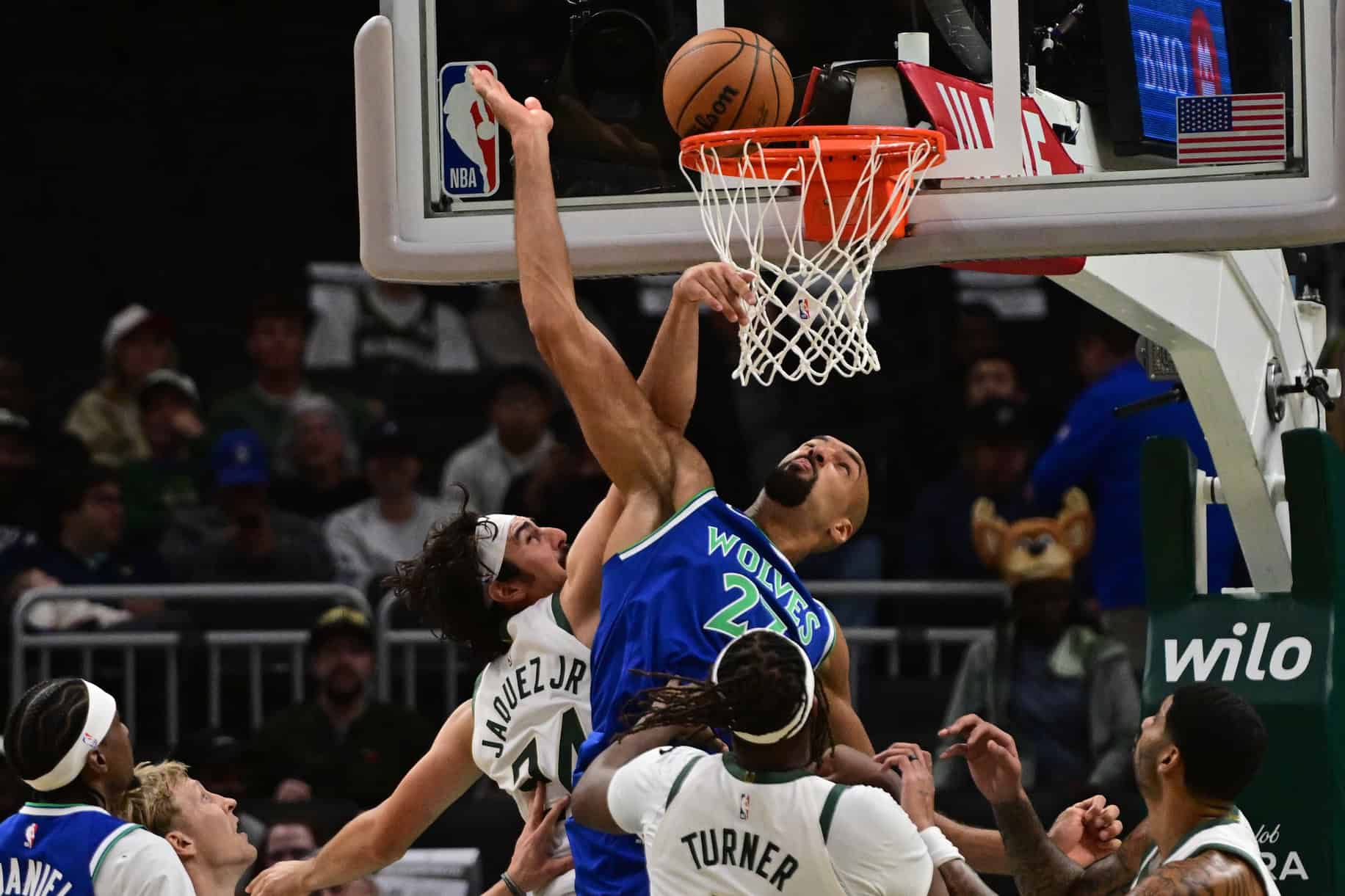
Randle provided ball-handling and interior shot creation, while Reid was a spacing big who could punish smaller lineups. That leaves Jaden McDaniels as the likely starting power forward, a role that could place too much physical burden on a player whose greatest defensive value comes from mobility, length, and perimeter versatility.
Collins is a natural positional solution. He’s a career power forward/center who has averaged 15.7 points and 7.7 rebounds while hitting 37 percent of his career three-pointers. More importantly, he has shot just above 40 percent from deep across the past two seasons on meaningful volume, suggesting that his spacing is more than a theoretical fit.
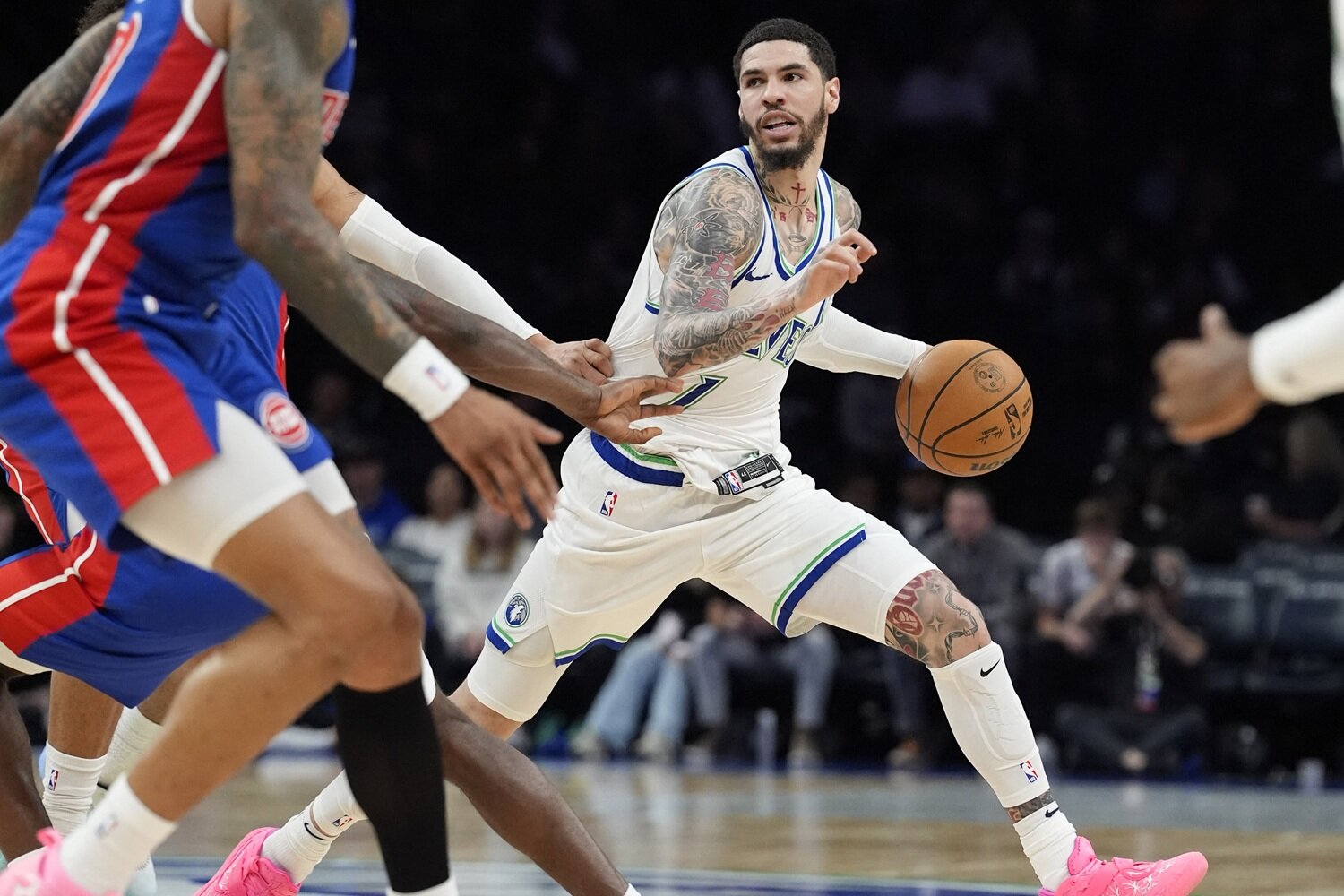
Minnesota’s offense should still revolve around Anthony Edwards’ downhill pressure and LaMelo Ball’s playmaking. Collins would give both stars an ideal release valve: a big who can sprint into ball screens, roll hard to the rim, finish above the basket, or drift to the arc when defenses load up in the paint. That versatility matters.
If Edwards sees two defenders at the nail, Collins can occupy the weak-side corner or lift above the break for an open three. If Ball runs high pick-and-roll, Collins can force the opposing center to choose between protecting the rim and contesting a shooter. His ability to convert lobs also creates the type of vertical spacing that cannot be measured solely by shooting percentage.
Unlike Randle, Collins doesn’t need frequent isolations or post-ups to be effective. That’s a feature, not a flaw, on a roster built around high-usage creators. He can score efficiently without taking the ball from Edwards or Ball, while still providing a reliable secondary option when possessions break down.
Collins would also help Minnesota restore some of the frontcourt size it lost. While he’s not a typical bruising center, his career rebounding production shows he can finish possessions and contribute on the offensive glass. That would allow McDaniels to spend more time checking wings rather than wrestling with larger power forwards.
It could also let the Wolves use lineups with Collins at power forward and a true center behind him, preserving the rim protection and defensive identity that have defined Minnesota’s best teams. There is another wrinkle: Collins can slide to small-ball center in selected matchups. Those lineups would be particularly useful when Minnesota needs more shooting around Edwards, Ball, and McDaniels without abandoning athleticism near the rim.
The case for Collins is strong on the court, but Minnesota would need to be creative to make it happen. The Wolves are reportedly above the first apron after the LaMelo Ball trade and hard-capped below the second apron because they aggregated salaries in that transaction. The currently available taxpayer-mid-level exception is reportedly only $6.1 million, far below what Collins is likely to command after earning more than $26.5 million last season.
That means Minnesota should explore a sign-and-trade only if it can avoid sending out core rotation value or taking on damaging long-term salary. The organization shouldn’t sacrifice McDaniels, major draft capital, or essential perimeter depth merely to solve its power-forward issue. Still, Collins is precisely the type of target worth aggressive calls.
At 29, he remains a proven starting-caliber 4 with a complementary game that would strengthen Minnesota’s stars rather than compete with them. If the Wolves can construct a financially reasonable path, Collins would be their best available answer to the departures of Reid and Randle.
Think you could write a story like this? Hockey Wilderness wants you to develop your voice, find an audience, and we'll pay you to do it. Just fill out this form.

Recommended Comments
There are no comments to display.