




By Eric Forga -
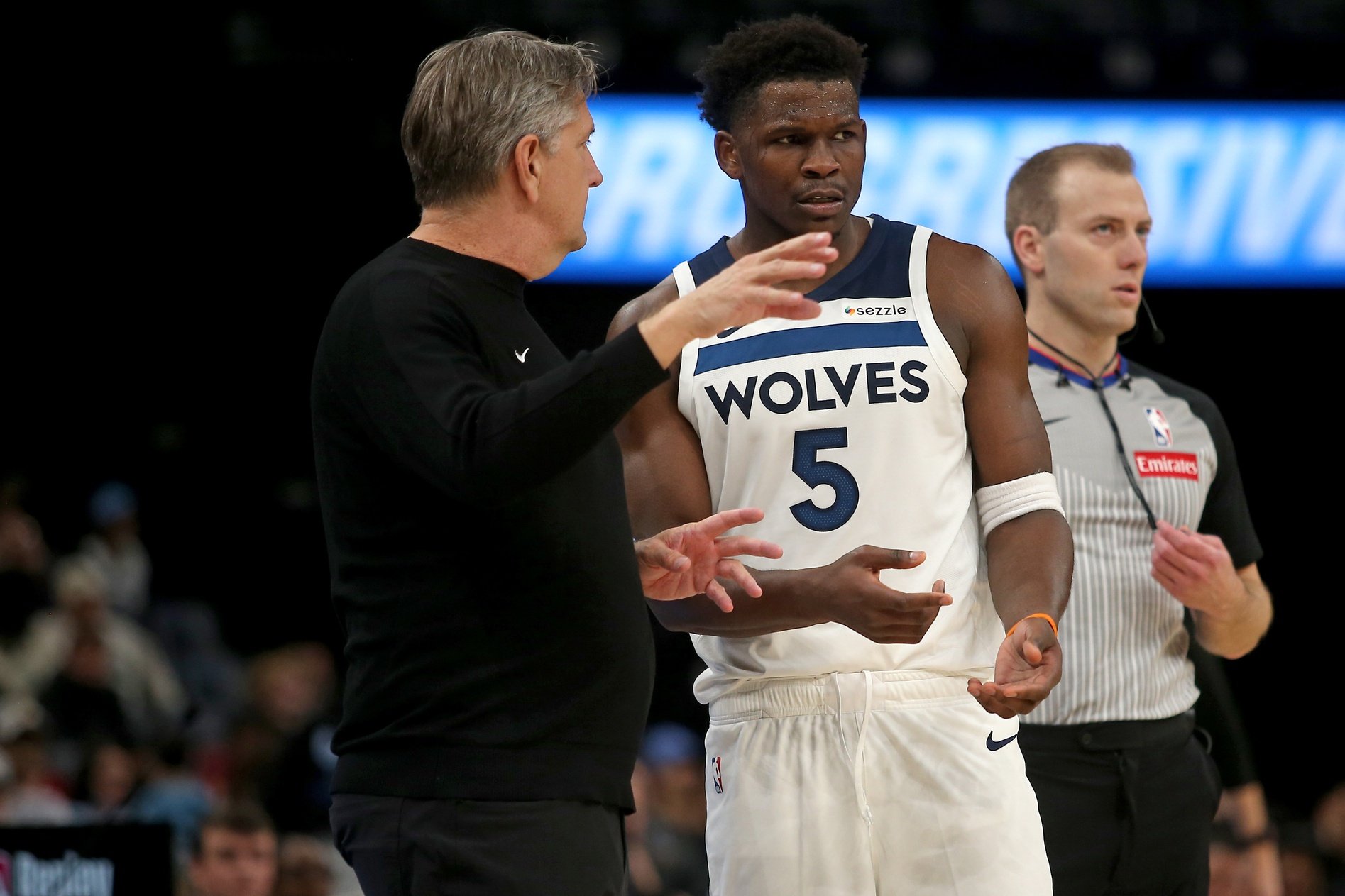
Chris Finch has already done the hard part. He has helped turn the Minnesota Timberwolves from a franchise defined by instability into a legitimate Western Conference contender. The bigger question is whether he can now manage the more delicate challenge: aligning elite talent, individual ambitions, and the inevitable pressure of building an NBA superteam.
Finch has a strong case. Since taking over during the 2020-21 season, he has led Minnesota to the postseason in each of his first four full seasons and produced a 56.6 percent winning percentage, eighth-best in the league over that span. More importantly, he has established a culture in which players are expected to be honest, adaptable, and accountable. The Timberwolves are no longer merely hoping their stars will figure it out; they have a coach with a clear basketball identity and enough credibility to demand sacrifice.
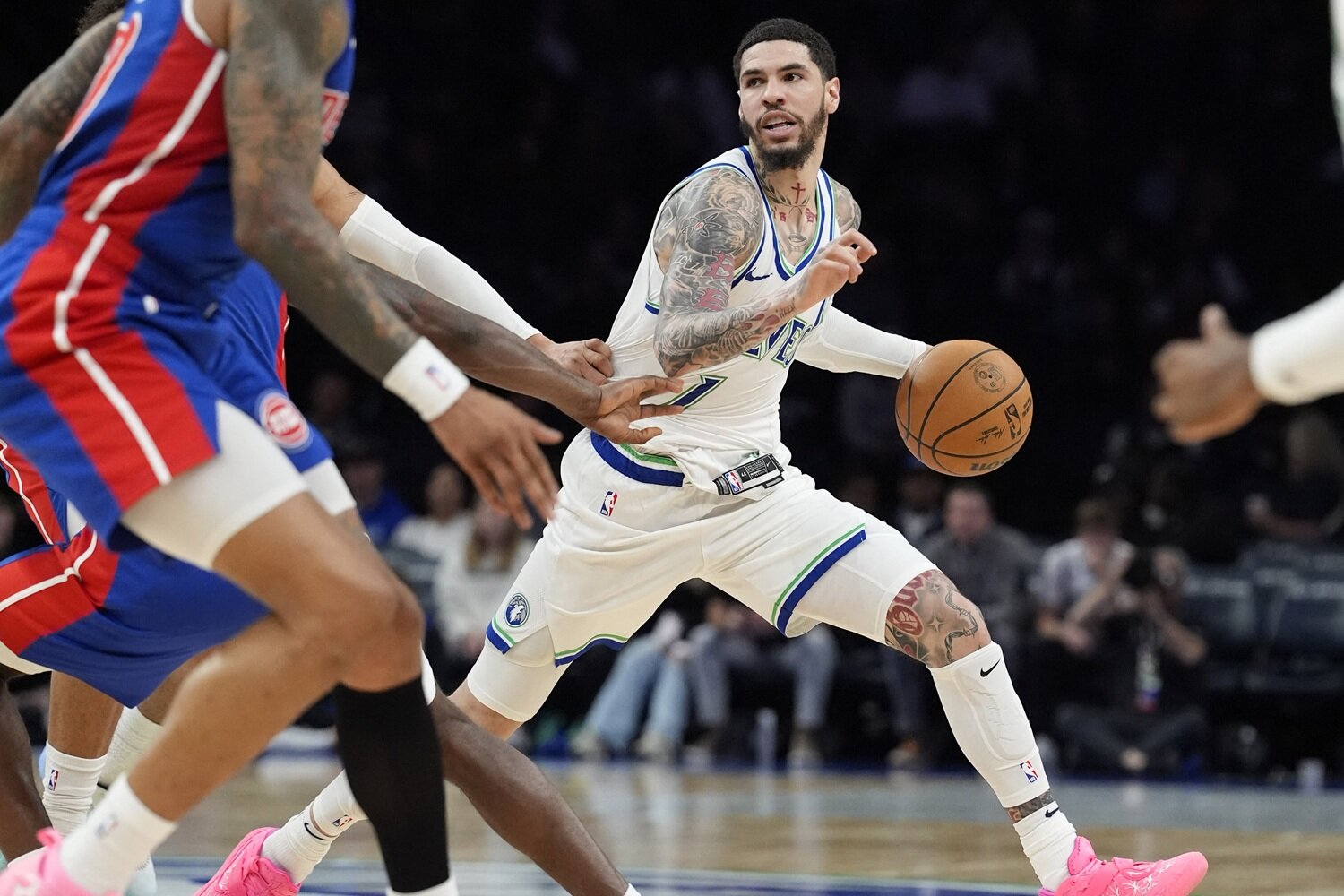
Anthony Edwards is the central figure. Any long-term vision begins with Edwards, whose combination of scoring, personality, and competitiveness makes him the franchise’s natural centerpiece. Tim Connelly has put talent around Edwards. It’s Finch’s job to ensure every other highly paid, highly accomplished player understands how he fits beside him. That’s where coaching becomes less about drawing up plays and more about managing status.
A superteam only works when its best players accept trade-offs. Someone has to defend the opponent’s top scorer. Another player will have to take fewer shots. Someone has to defend the opponent’s top scorer, while another has to accept less closing-time responsibility. A player may have to play a position that is not ideal for his statistics. Those compromises are easy to endorse in October and much harder to accept during a January losing streak or a May playoff series.
Finch’s personality gives Minnesota reason to be optimistic. He has earned a reputation for being direct rather than overly diplomatic, and Edwards has praised him for not “sugarcoating anything with anybody.” That trait matters with star-driven teams. Players can sense when a coach has different rules for different people. Finch’s willingness to challenge players publicly and privately can help prevent resentment from growing inside the locker room.
His tactical flexibility also matters. Finch has long favored offensive systems that flow through multiple creators rather than a rigid hierarchy. Earlier in his Minnesota tenure, he built attacks around high-usage scorers while relying on complementary energy and defensive plays to balance the lineup. That approach allows stars to feel involved without turning every possession into a debate over whose turn it is.
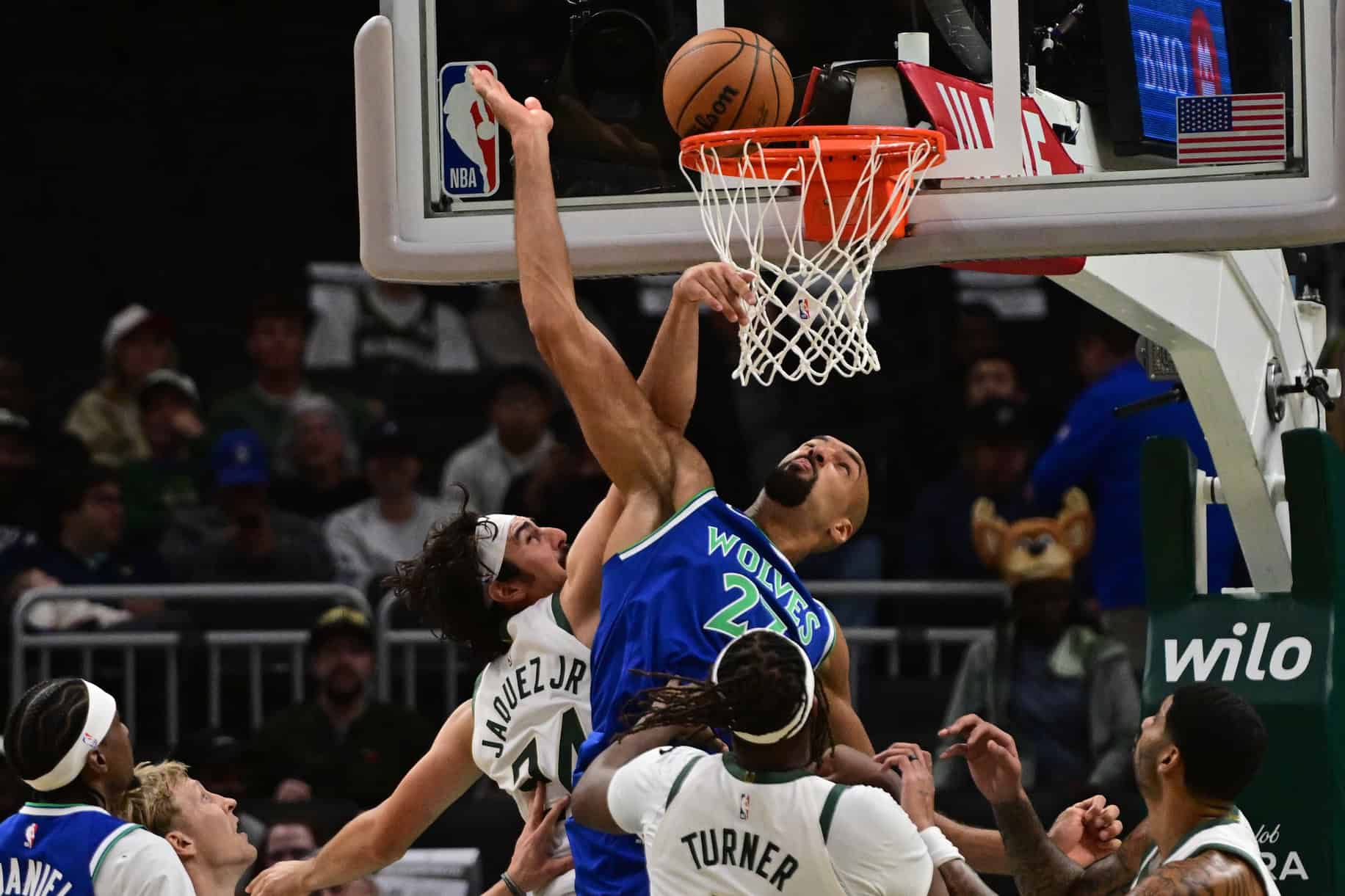
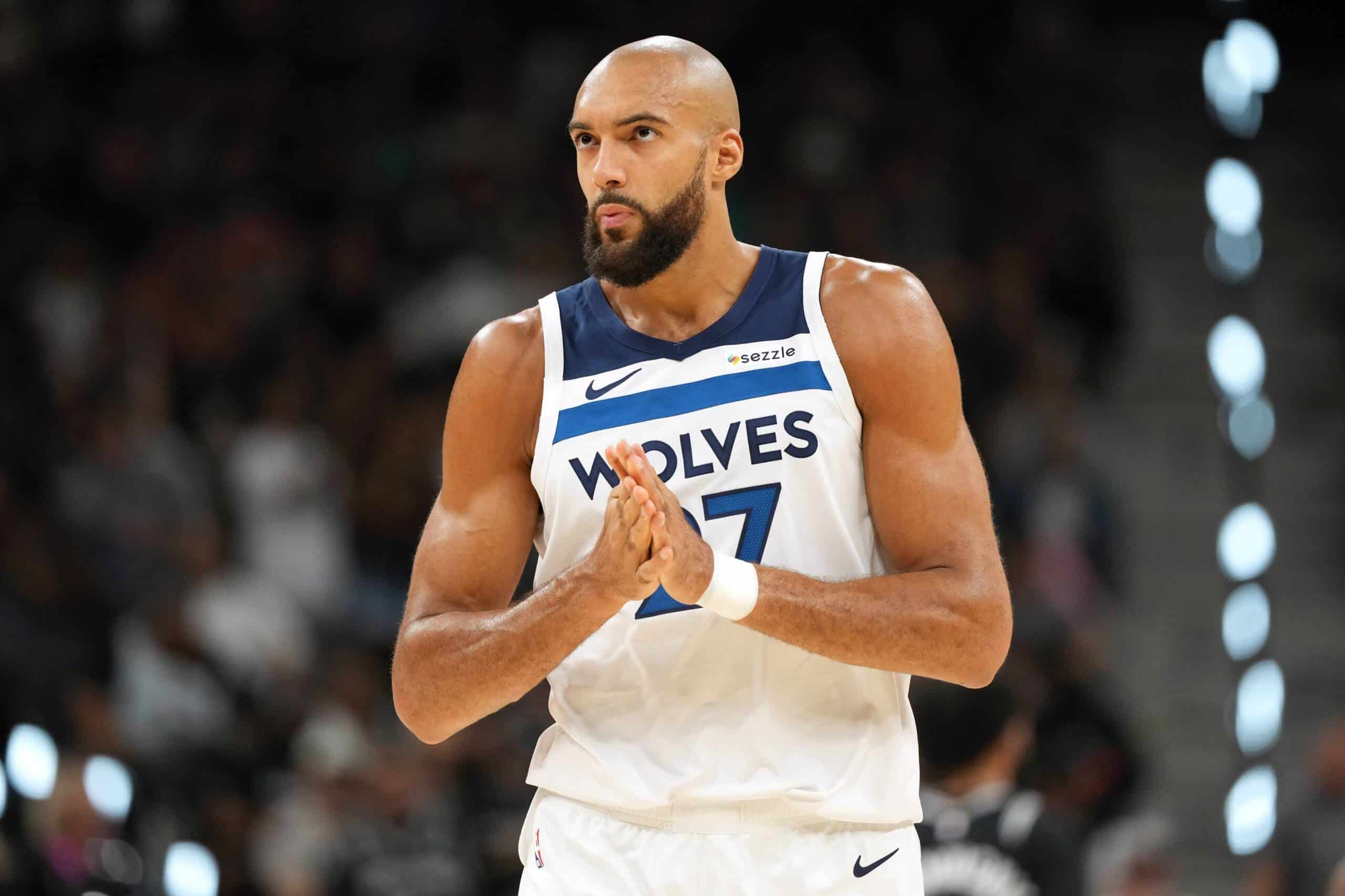
Still, Finch faces real limits. Coaches cannot manufacture chemistry, and strategy cannot entirely solve overlapping skill sets. Minnesota’s recent experience with a talented starting group featuring Edwards, Julius Randle, and Rudy Gobert showed that putting recognizable names on the floor does not instantly create cohesion. Finch publicly emphasized patience as the group searched for rhythm, arguing that the lineup changes can create a chain reaction across the roster. Patience is admirable, but it has to produce results before doubt takes over.
The biggest test will be Finch’s ability to make the offense more purposeful when the stakes rise. Minnesota’s defense has often defined the team, but championship-level teams need reliable halfcourt offense late in games. Finch must create enough structure for Edwards to thrive as the lead option while ensuring that other stars remain dangerous, engaged, and willing to make quick decisions. His teams cannot rely on talent, transition opportunities, or difficult isolation shots.
Ultimately, Finch can bring superstar personalities together because he has already built the most important foundation: trust. He has made Minnesota relevant, given its players a shared standard, and shown that he will not avoid hard conversations. But forming a true superteam will depend on more than Finch’s coaching. It will require the stars, especially Edwards and the organization’s other top-paid veterans, to choose winning over validation. Finch can provide the blueprint. The players have to agree to live by it.
Think you could write a story like this? Hockey Wilderness wants you to develop your voice, find an audience, and we'll pay you to do it. Just fill out this form.

Recommended Comments
There are no comments to display.