




By Charlie Walton -
With a blue Minnesota Timberwolves backdrop behind him, a microphone in his hand, and a player he worked tirelessly to acquire sitting next to him, Tim Connelly has spoken at two highly anticipated introductory press conferences at the Target Center’s atrium this summer.
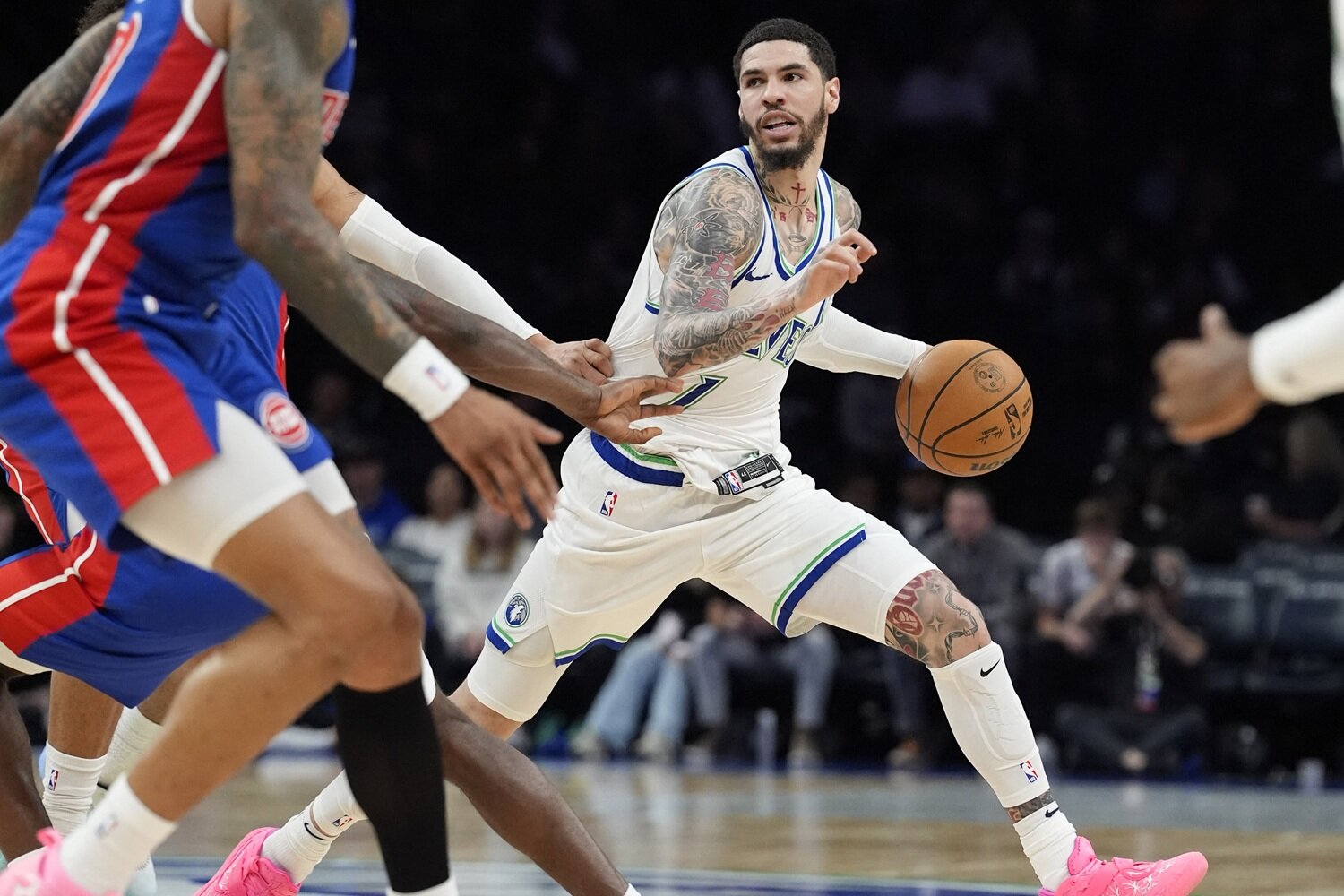
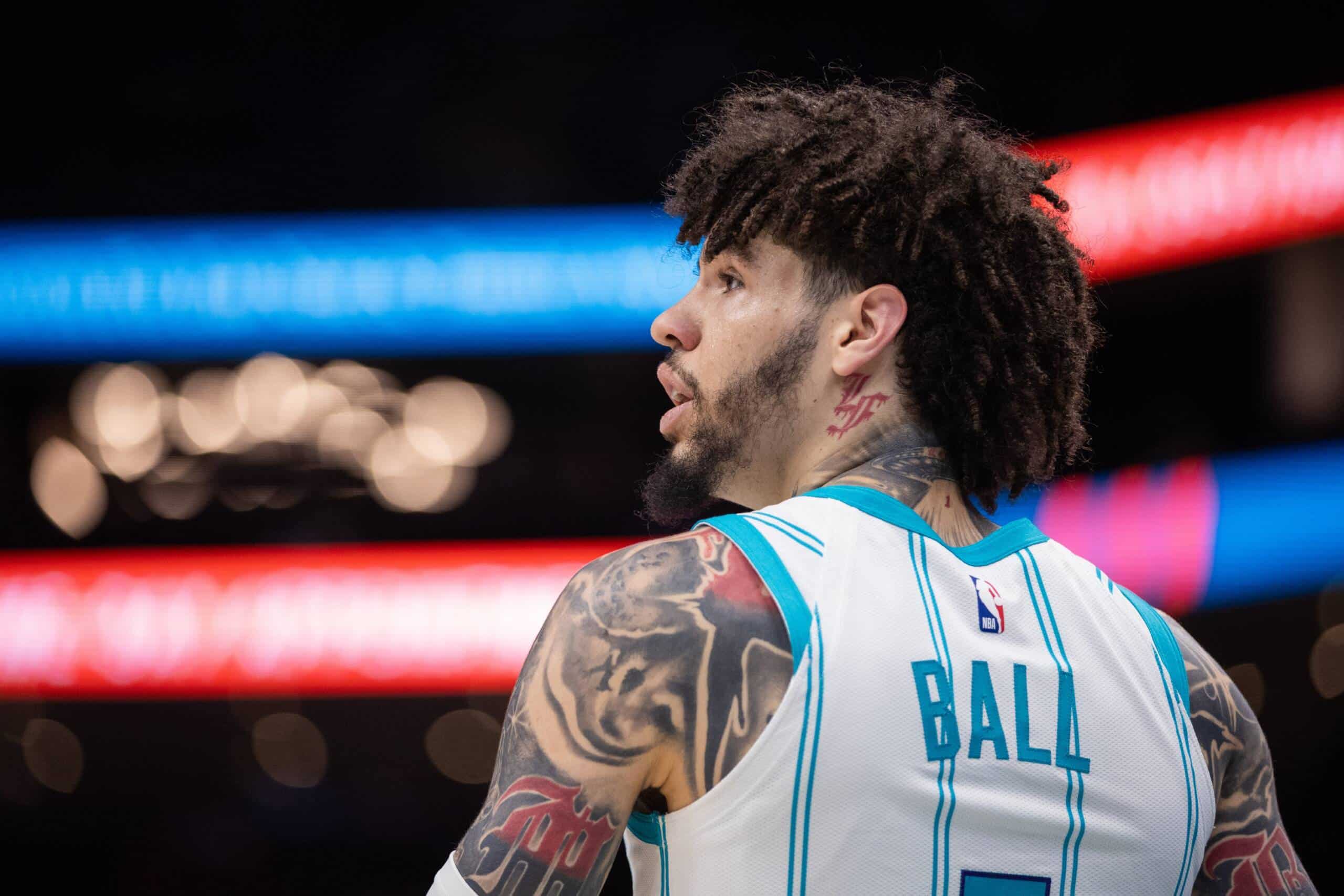
Connelly welcomed LaMelo Ball to the Twin Cities in July, weeks after he and his staff orchestrated a trade on the night of June 25 with the Charlotte Hornets that sent Naz Reid and draft compensation out the door.
Last week, Connelly sat next to Jonathan Kuminga, who signed a two-year, $12.4 million contract with the Timberwolves this summer and fills their need for a starting-caliber power forward.
The intro press conferences highlight an offseason of change for the Timberwolves. Certain players have bigger responsibilities than usual, and others are expected to be someone they haven’t been before. Natural, unavoidable risk exists. All this change could backfire, and the Wolves would fall short of their lofty expectations.
Or all these moving parts could be clicking into place at the right time.
From top to bottom within the organization, Minnesota’s sights are set on a championship. Connelly knew last year’s second-round exit to the San Antonio Spurs — and the way it occurred with three blowout losses — was unacceptable. So he took risky, home run swings this summer to significantly reconfigure the Wolves’ structure.
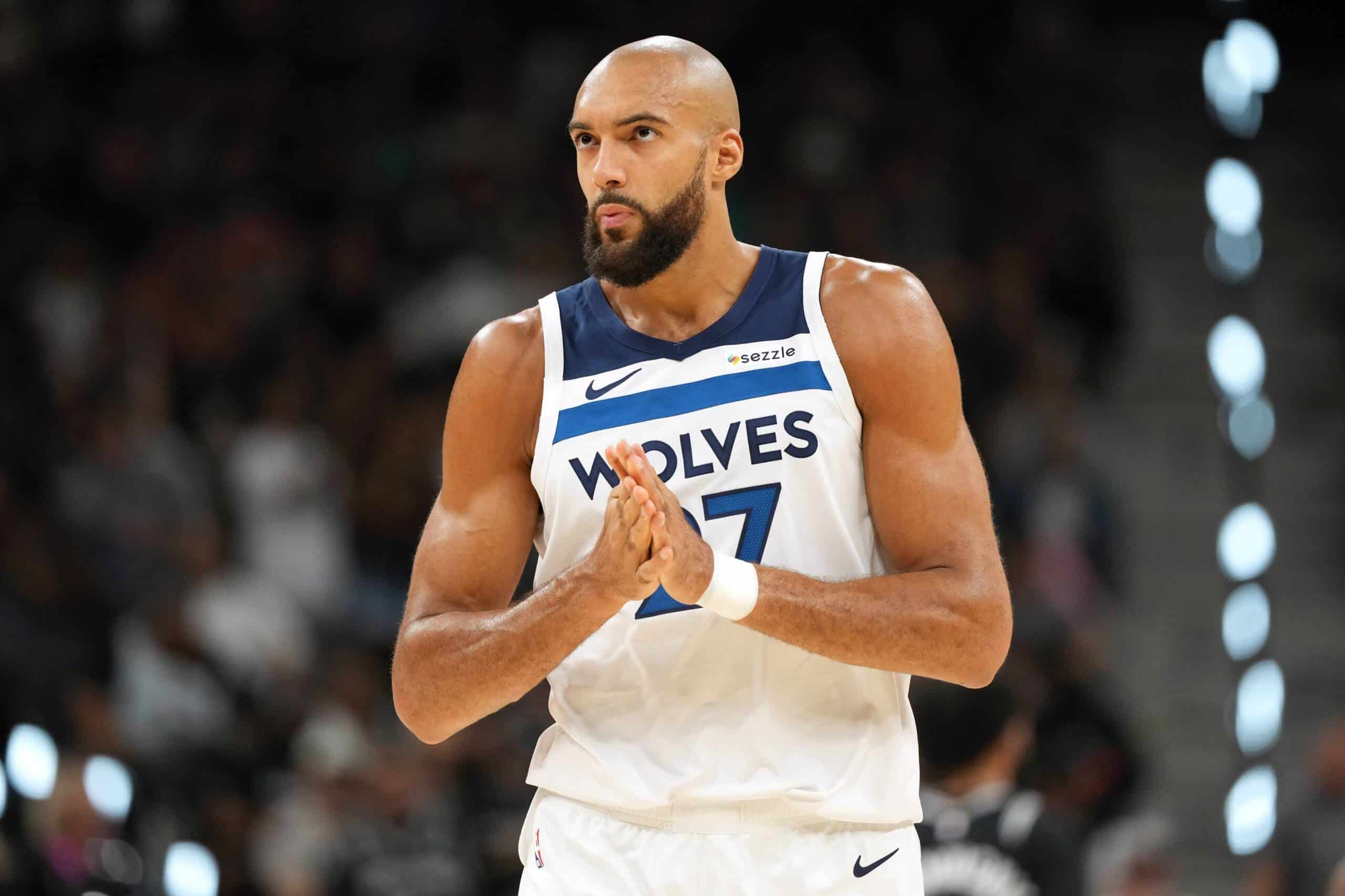
Julius Randle, the bruising on-ball point forward, landed in Brooklyn. Meanwhile, he sent Reid, the lights-out floor spacer, to Charlotte. The Wolves have completely flipped their power forward position from an inconsistent, isolation starter and a volume backup scorer to an athletic starter who must do more with less and a depth-by-committee behind him.
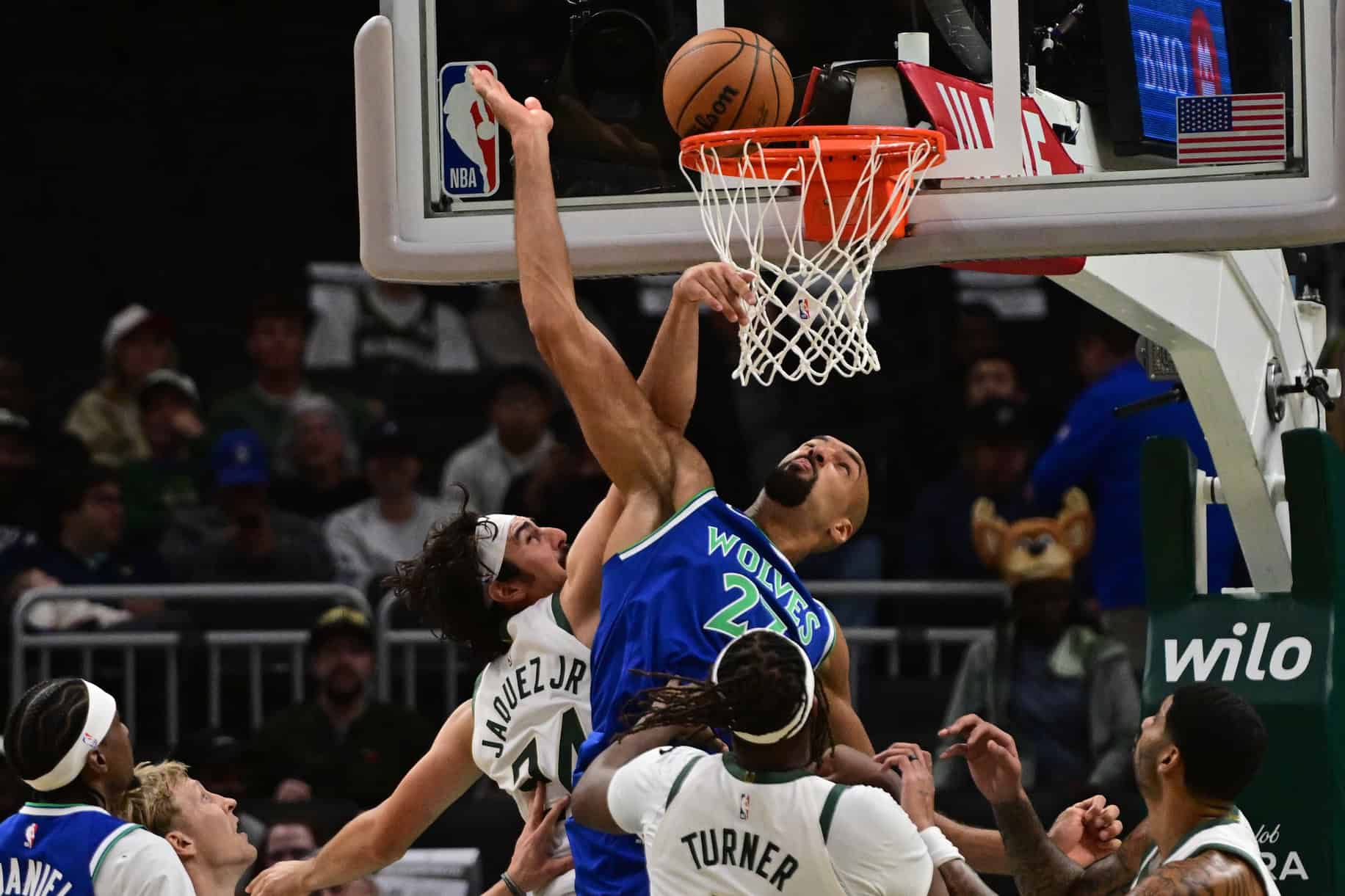
The Wolves view Kuminga as the piece that locks their starting lineup together, not because of his volume scoring abilities, but because of his rebounding and versatile defense. Minnesota needs Kuminga to prioritize those aspects of his game, and he appears fully aware of that.
“[Chris Finch] wants me to come here and be myself, rebound, defend at the highest level,” Kuminga said at his intro presser last week. “Just focusing on those two, just rebound and defend, I think that’ll help the team, and it will help me.”
Kuminga has a player option in 2027-28, effectively making this season a contract year for the 23-year-old forward. Like any player, Kuminga probably wants long-term stability in the NBA. Last season, the Golden State Warriors — who drafted Kuminga No. 7 in 2021 — traded him to the Atlanta Hawks, who declined his $24.3 million team option this summer.
Kuminga took less money and a shorter-term contract to sign with the Wolves. He could have signed a 3-year deal worth roughly $36 million with the Los Angeles Lakers, but chose the Wolves because he believes he fits with the team well and appreciates its current winning culture.
The Wolves see Kuminga as part of their future. But for that to happen, he must play differently than he has in the past.
Kuminga can’t try to be the star. He showed flashes of being that type of player with the Golden State Warriors and Atlanta Hawks. But for Kuminga to be a key part of a championship team in Minnesota, he must prioritize the small things. And entering Year 6, based on what he said at his intro presser and on social media, he appears ready for that role.
Kuminga can earn a longish-term contract with the Wolves by being a connector rather than filling up the stat sheet. If Kuminga wanted to prove he is a star in this league, signing with the star-heavy Timberwolves would not have been the move*. Instead, Kuminga choosing Minnesota highlights that he has a strong desire to win and understands the role he must play to do it.
Kuminga must be a scrappy, consistent defender who is always fighting on the glass. He must be a willing off-ball mover, cutting to the rim for layups and dunks off assists from Ball as a significant source of his offense.
“I was watching [LaMelo] work out yesterday, and I was watching him and the way he can pass the ball; it’s incredible,” Kuminga said last week. “I’ve played with so many point guards in my career, but I’ve never played with anybody that can pass as good as LaMelo.”
Ball’s quarterbacking-style offense could unlock Minnesota’s overall offense. But the Wolves have taken a significant risk in bringing him in. Ball’s injury history in Charlotte is rightfully concerning, and the Wolves are banking on him to stay healthy at a rate he has yet to prove over multiple continuous seasons and during a deep playoff run.
Given his lack of availability and Charlotte’s inability to compete, the narrative around Ball is that he was not a winning player. But the Wolves believe he’s a winner, and Ball has been making sure it isn’t true this summer. He’s been at the gym in Mayo Clinic Square consistently over the last few months, working with Anthony Edwards and others.
Ball got his first taste of winning last season, making the Play-In tournament, where he and the Hornets lost in Game 2. Ball is making every indication this summer that he is focused on winning.
He is entering Year 7. Sure, Ball is only 25, which is younger than when most professional athletes hit their “prime.” But the future is not guaranteed. Situations can change. Ball appears ready to capitalize on the situation he’s entering in Minnesota – one with a winning infrastructure led by two players similar in age to him who have ample postseason experience.
Edwards and Jaden McDaniels know what it is like to weather a deep playoff run. They know how to perform at a high level individually. Now, they’ll need to mature as leaders this season.
“We purposefully haven’t added a bunch of veterans to the team this year,” Finch told Britt Robson in an exclusive interview.
“My approach with Ant or with Jaden or with all these guys is, if we’re going to take the diapers off, let’s take the diapers off. Like, it’s your team now. What you say and the way you say it, and setting the tone from the first days of practice; that stuff matters. And it’s time. It is seven years in the league.”
The Timberwolves have undergone a summer of change. Connelly has been busy at the podium, welcoming in new additions. He’s trying to turn the Wolves into a legitimate contender again. Still, when teams go through sizable change in an off-season, it typically takes them at least a year to figure things out and make a legit run at a championship, if that’s in the cards.
That could happen to the Wolves, who will look much different than last year. However, it also appears that all of these changes are culminating together at the perfect time. And if that is the case — and that is still a big if — then there is no telling how high Minnesota’s ceiling will reach this season.
*This paragraph was updated to better reflect Kuminga’s offseason opportunities.
Think you could write a story like this? Hockey Wilderness wants you to develop your voice, find an audience, and we'll pay you to do it. Just fill out this form.

Recommended Comments
There are no comments to display.